
Lupe: A Close Look at New Brazilian Gastronomy

By Nadine Alves
· Updated · 3 min read
Translated with AI assistance.Read the original in Portuguese
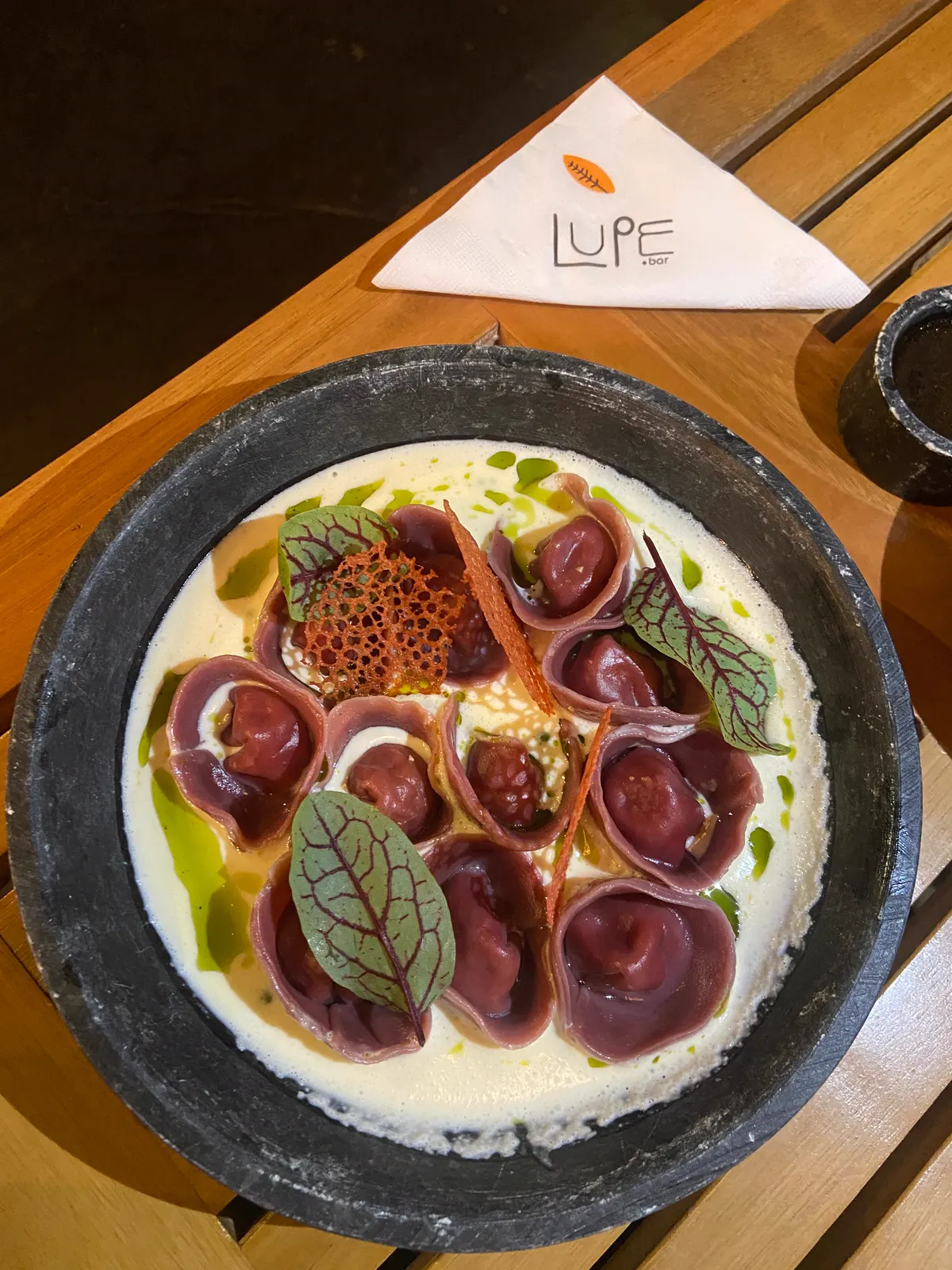
Capeletti de jerimun
The name Lupe comes from “lupa,” meaning magnifying glass: an attentive, intense gaze, close to every detail. And it is precisely this attention — to ingredients, service, atmosphere, culture and people — that makes the restaurant a space where Brazilian gastronomy meets new layers of flavor, history and affection. An experience that welcomes, surprises and leaves you longing for more.
The space reflects the spirit of the house: contemporary, unpretentious and full of Brazilianness. The architecture blends elegance and simplicity with well-distributed areas — from the outdoor space facing the street to the main dining room and the backyard, where a jabuticaba tree becomes a gathering point around the tables. The long bar, with shelves of bottles and high stools, is an invitation both for those coming in for a casual drink and for those planning to stretch the night out.
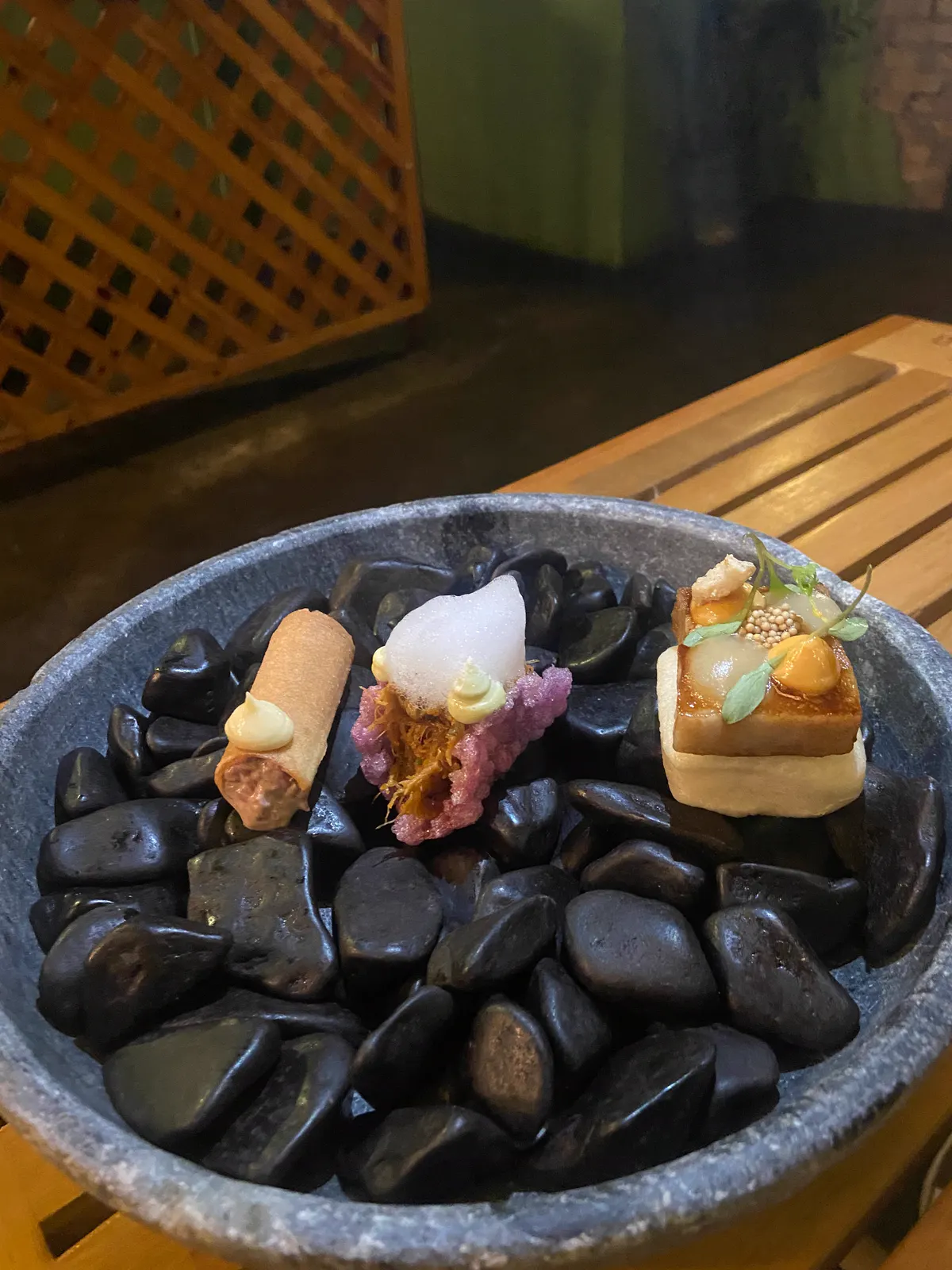
Appetizers: Croqueta Cruda, Casquinha de Siri and Bao do Lupe
To complete the experience, Lupe offers a carefully curated, eclectic music program: samba-jazz, chorinho, samba and DJs who set the mood on Saturday nights and help make the venue a meeting point for different styles, generations and moments — from the executive lunch to happy hour, from the late-night date to Sunday with the whole family, and even the customer with her pet, enjoying the shade on a sunny Saturday.
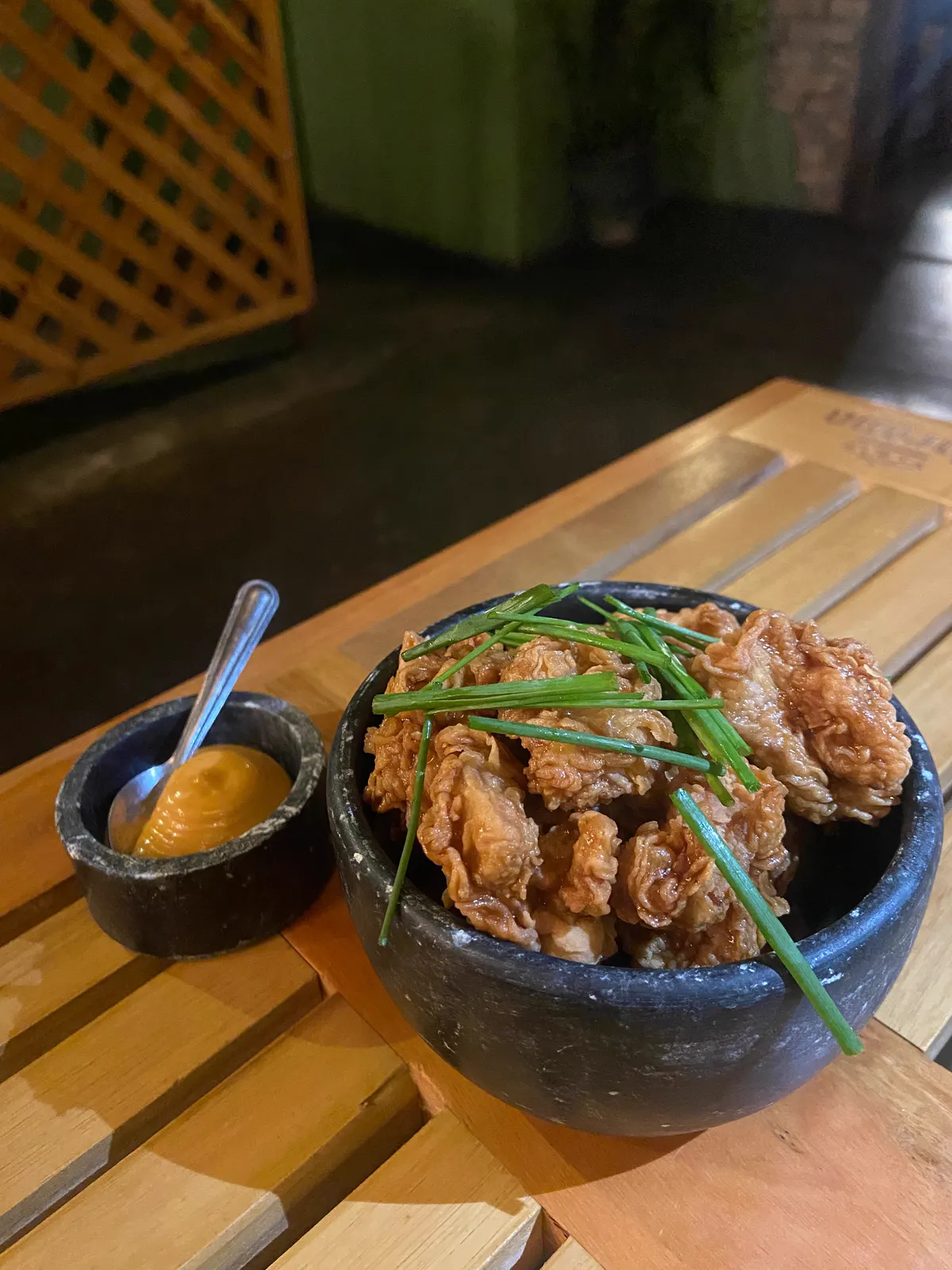
Karaague
Under the direction of chef Gabriel de Lucca Piantino, the Lupe restaurant has established itself as one of the most intriguing spots on the contemporary dining scene, combining the richness of Brazilian cuisine with French and Asian influences in surprising, original and accessible dishes. The bar-restaurant delivers a complete experience that begins with the eyes, moves through aromas and textures, and ends with the desire to return.
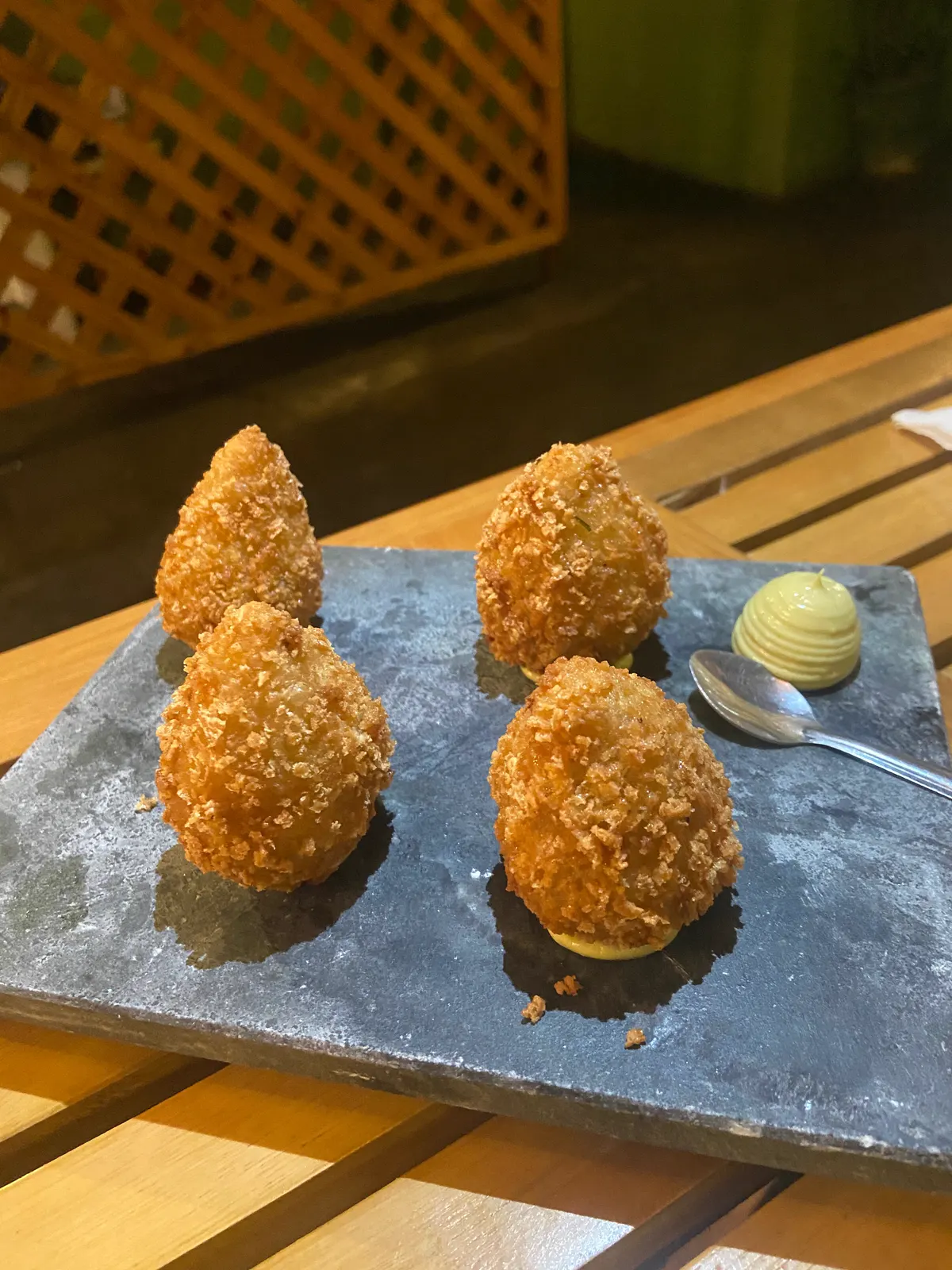
Coxinha de Pato com Tucupi
On the menu, bold and creative reinterpretations take shape with national ingredients and a sophisticated eye. Such is the case of the duck gizzard empadinha with bearnaise emulsion and hibiscus powder, and the casquinha de siri served on a tile, with cabbage aquafaba and sago, filled with crab, mussels, shellfish broth foam and coconut milk. The croqueta cruda also stands out, as does the unmissable Bao do Lupe — a steamed bun with pork belly prepared for 36 hours at low temperature, glazed with cachaça and sugarcane molasses, mustard seed pickles, gochujang chili aioli, cupuaçu compote and pururuca. An explosion of layers and contrasts.
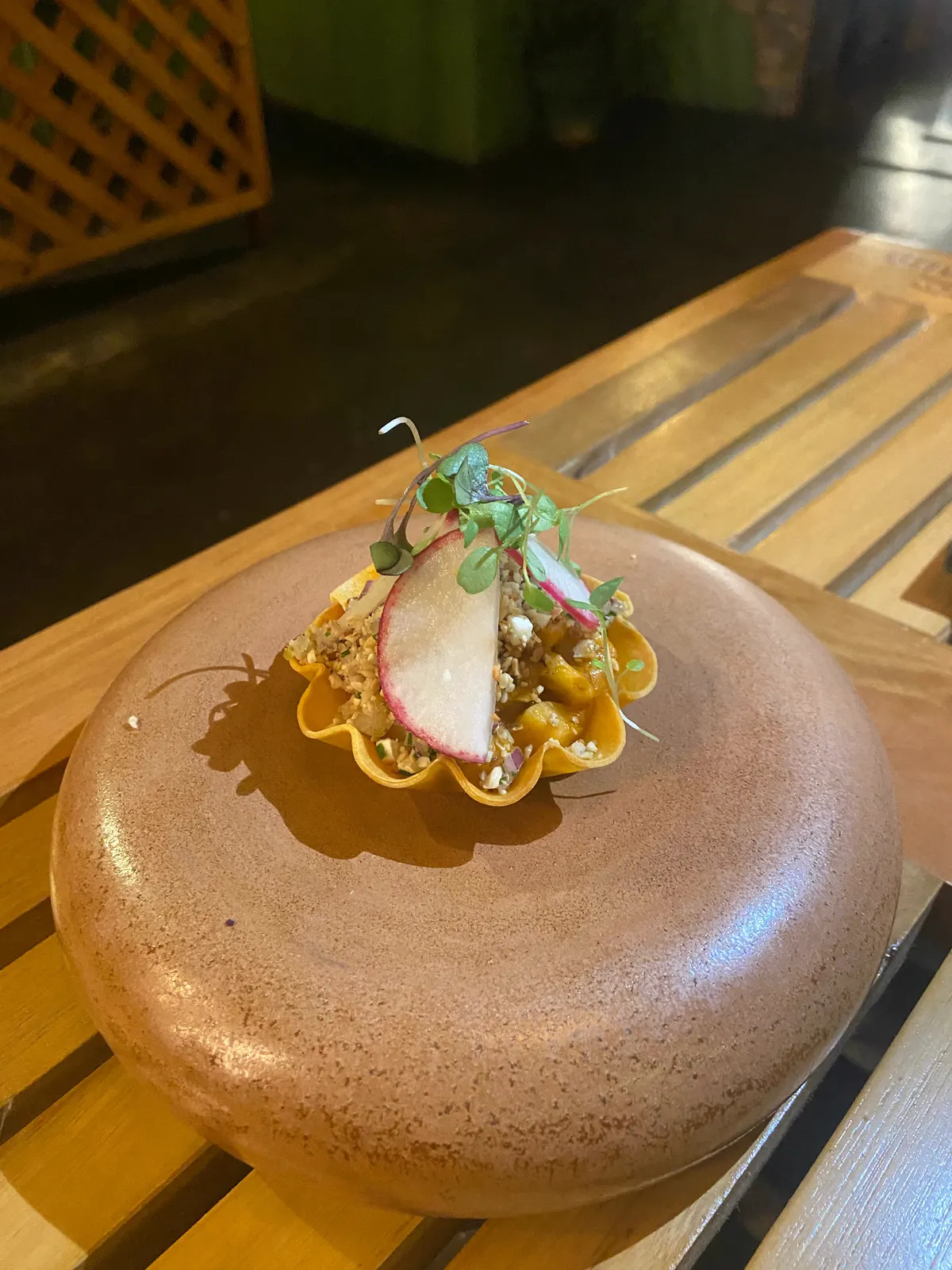
Empadinha de Palmito
Among the main courses, the onion-topped ancho steak, tall and juicy, comes with caramelized pearl onion petals, thin-cut fries, bearnaise and roti sauces, and a handmade bread, served generously and with technique. Meanwhile, the jerimum capeletti is a celebration of plant-based flavor: beet-based pasta, filled with squash with cashew nuts and spices, Parmesan fonduta, lemon zest, crispy beet tuile and a final touch of basil olive oil. A dish that shows how vegetarian cooking can be rich, creative and comforting.
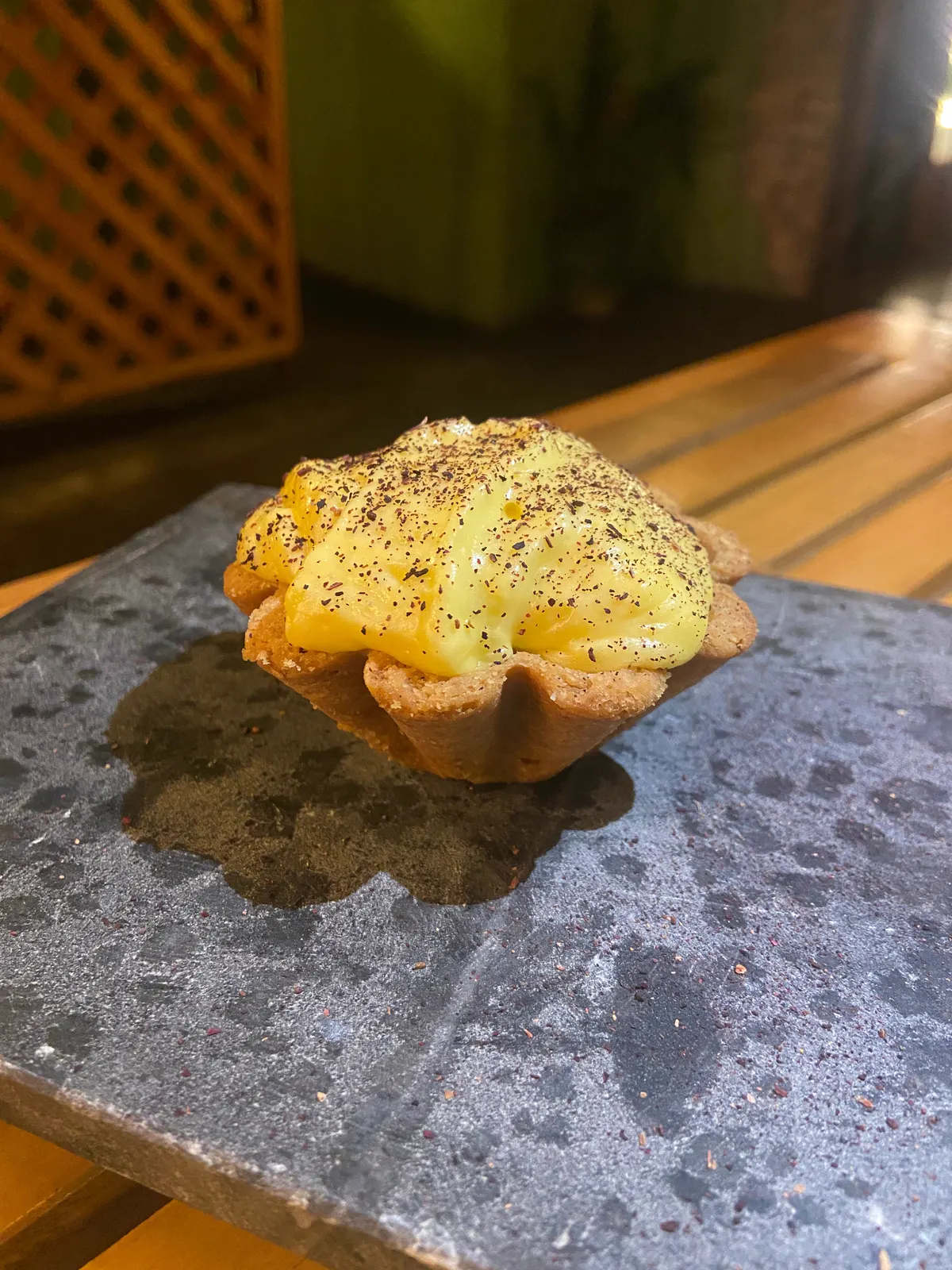
Empadinha de Moela de Pato