
Brazil Tourism Grows and Opens the Door to Technology

· 2 min read
Translated with AI assistance.Read the original in Portuguese
With a significant rise in the number of foreign tourists, Brazil's tourism sector is experiencing remarkable growth. Last year, the country welcomed 5.9 million visitors from abroad, a 63% increase over 2022, and generated a record US$ 6.9 billion for the national economy. These figures already surpass pre-pandemic records, with 2014 previously holding the highest economic activity at US$ 6.8 billion. In addition, in 2023 the sector employed more than 330 thousand people, according to data released by CAGED.
However, despite this promising growth, the sector faces significant challenges related to the shortage of skilled labor. A recent report titled “Hotelaria em Números”, released by investment management firm JLL, found that Brazil faces difficulties similar to those of the global hotel industry in recruiting qualified talent. It is common for hotels across the country to have more than 20 open positions that remain unfilled, further limiting the sector's ability to keep pace with rapidly growing demand.
To work around this labor shortage, an emerging solution being adopted abroad and beginning to be tested here is the use of technology. Companies such as Quality Systems are bringing a new generation of workers to the country: robots. According to Heleraldo Costa, CEO of Quality Systems, these robots do not replace human workers but complement their functions, bringing greater efficiency to a sector that needs to grow quickly.
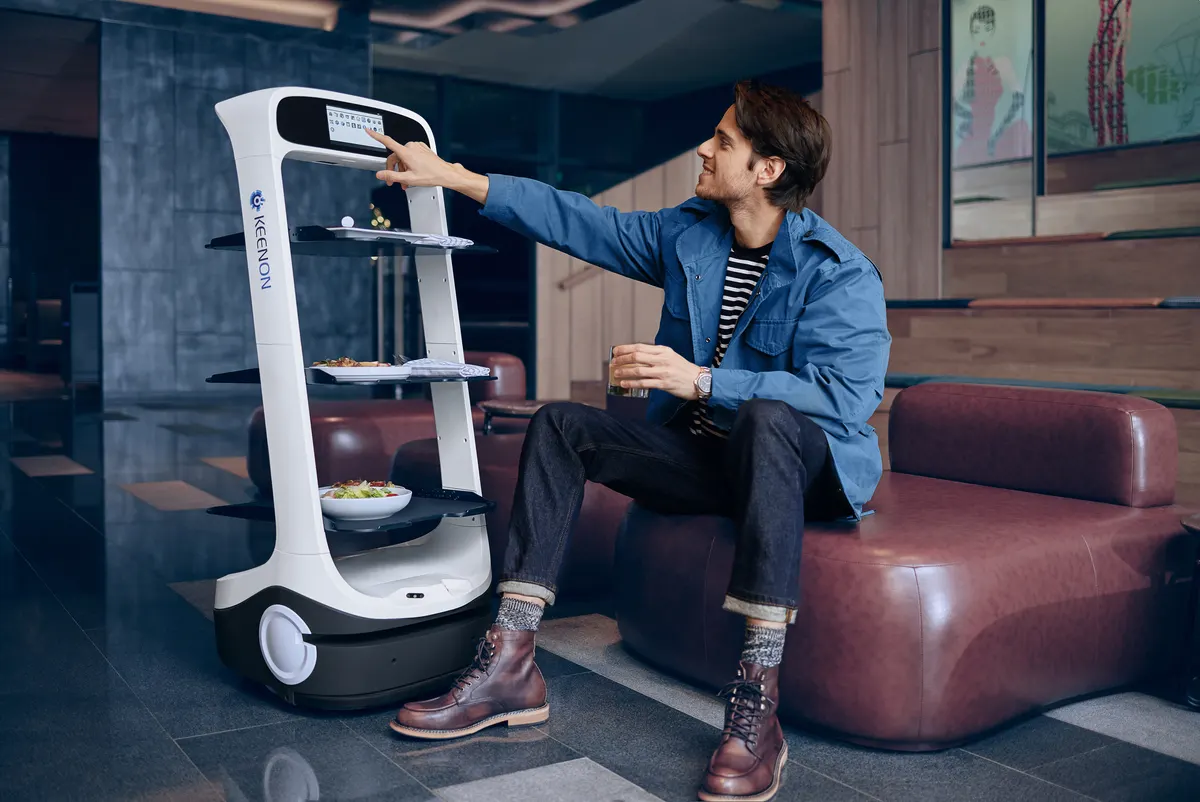
Robot waiters are versatile, operating in various environments and performing tasks such as taking orders, delivering food, greeting guests and even collecting used utensils. Highly customizable, they can carry up to four trays of 10 kilograms and run for 12 to 15 hours on a single charge. The concierge robot, ideal for hotels, receives deliveries and directs them to guests' rooms, integrating with elevators for efficient delivery. Both models feature software adapted to the Brazilian market, positioning the country as a leader in hospitality innovation. This introduction of technology in the tourism sector not only helps offset the labor shortage but also places Brazil at the forefront of hospitality innovation.