
Where to See the World's Last Asiatic Lions: A Route Through Gir, India

· Updated · 3 min read
Translated with AI assistance.Read the original in Portuguese
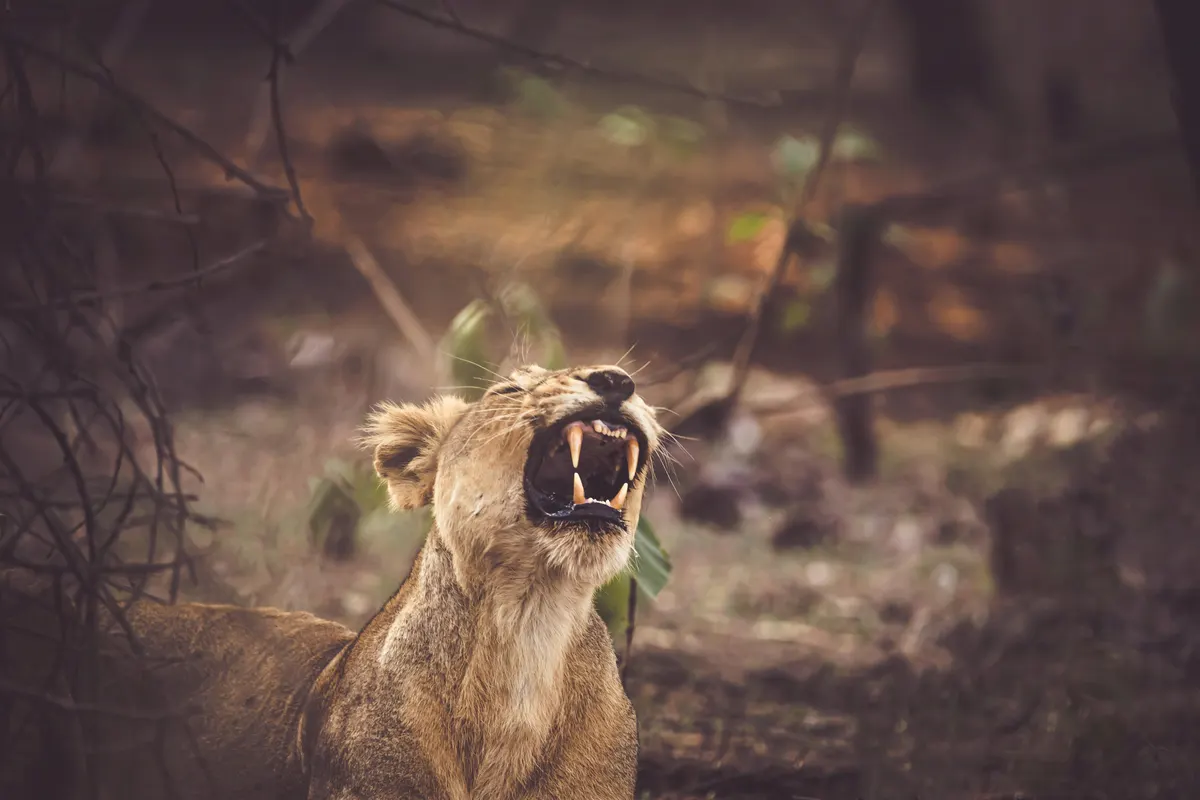
In the heart of Gujarat, Gir National Park is home to the last 600 wild Asiatic lions on the planet. Learn how to get there, when to go and what to expect from this unique experience.
If you are a traveler seeking authentic adventures and rare encounters with wildlife, Gir National Park, in northwestern India, should be at the top of your list. This is the only place in the world where you can still see Asiatic lions in the wild, a species that once roamed from Turkey to the Indian subcontinent but now survives only in this region.
With a recovering population (674 individuals in 2020, according to the latest census), Gir offers a safari experience unlike any other. But how do you get there? When should you go? And what should you expect from the journey? We answer all of it.
How do you get to Gir?
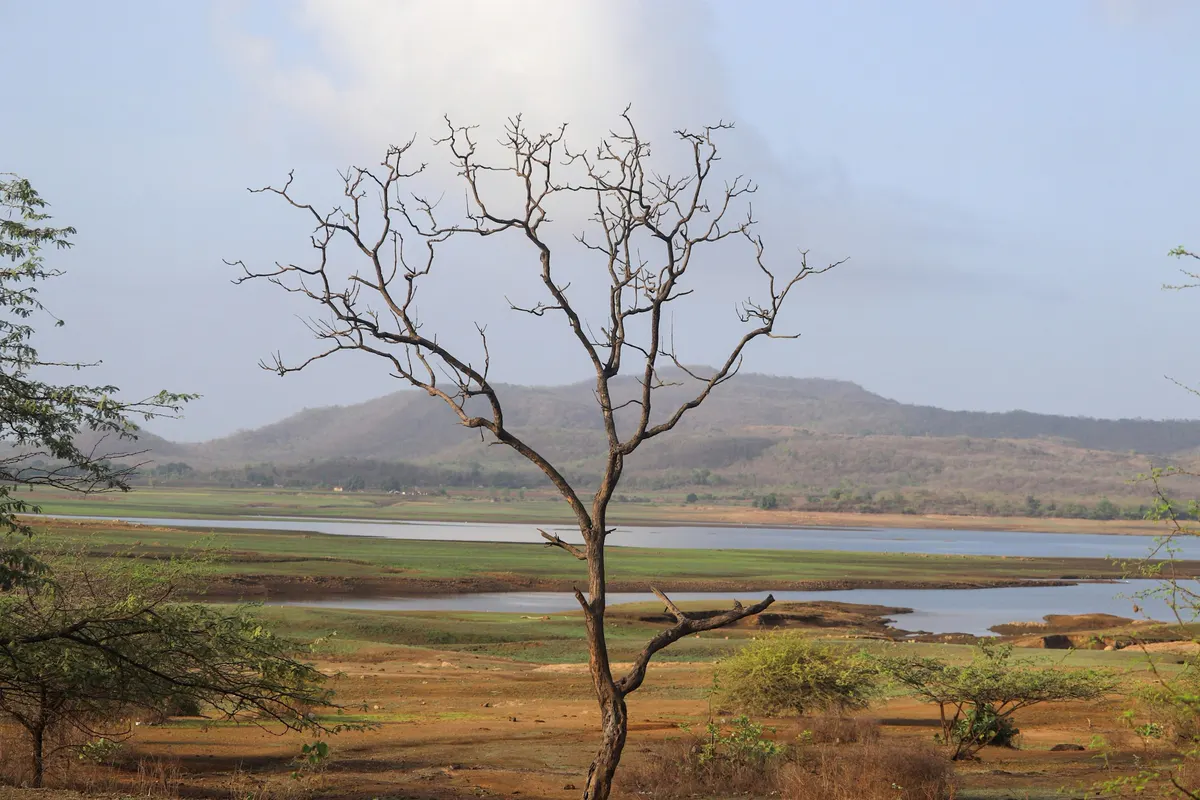
The adventure begins in Mumbai, where overnight trains depart for Junagadh, the city closest to the park. The journey takes about 15 hours, and you arrive in the middle of the night. From there, a local bus takes you to Sasan Gir, the village that serves as the gateway to the park. Be prepared for a dose of the chaos typical of Indian public transport, but the reward is well worth it.
Those who prefer more comfort can opt for flights to Diu (the nearest coastal city with an airport) and then take a taxi to Gir (about a 2-hour drive).
Where to stay?
Gir has options for every budget:
- Luxury: The Taj Gateway Hotel Gir Forest offers elegant cottages with views of nature.
- Budget: The Gir Garden Residency is a great local option, with affordable prices.
- Authentic experience: Family-run guesthouses managed by the Maldhari community (local herders who have lived alongside the lions for centuries).
How does the safari work?
Unlike African parks, where group safaris are common, in Gir only private safaris are available (for non-Indians). The tour costs between 15.000 and 17.000 rupees (about R$ 900 to R$ 1,020, for up to 6 people) and lasts 3 hours. Reservations must be made in advance through the official website.
The best times are:
- Morning (6 a.m.–9 a.m.): Best chance of seeing lions active.
- Afternoon (3 p.m.–6 p.m.): Ideal light for photos and sightings of cubs.
What else to see besides the lions?
Gir is not only about the “kings of the jungle.” The park's biodiversity includes:
- Leopards (more elusive, but present).
- Spotted deer (with adorably cute fawns during the monsoon season).
- Crocodiles in the park's rivers.
- More than 300 bird species, including peacocks and green bee-eaters.
Essential tips
✅ Best time: December to March (after the monsoons, when the vegetation is less dense).
❌ Avoid: June to September (park closed during the monsoons).
⚠️ Strict rules: Jeeps are monitored by GPS, and sighting time is controlled so as not to stress the animals.
A future for the Asiatic lions
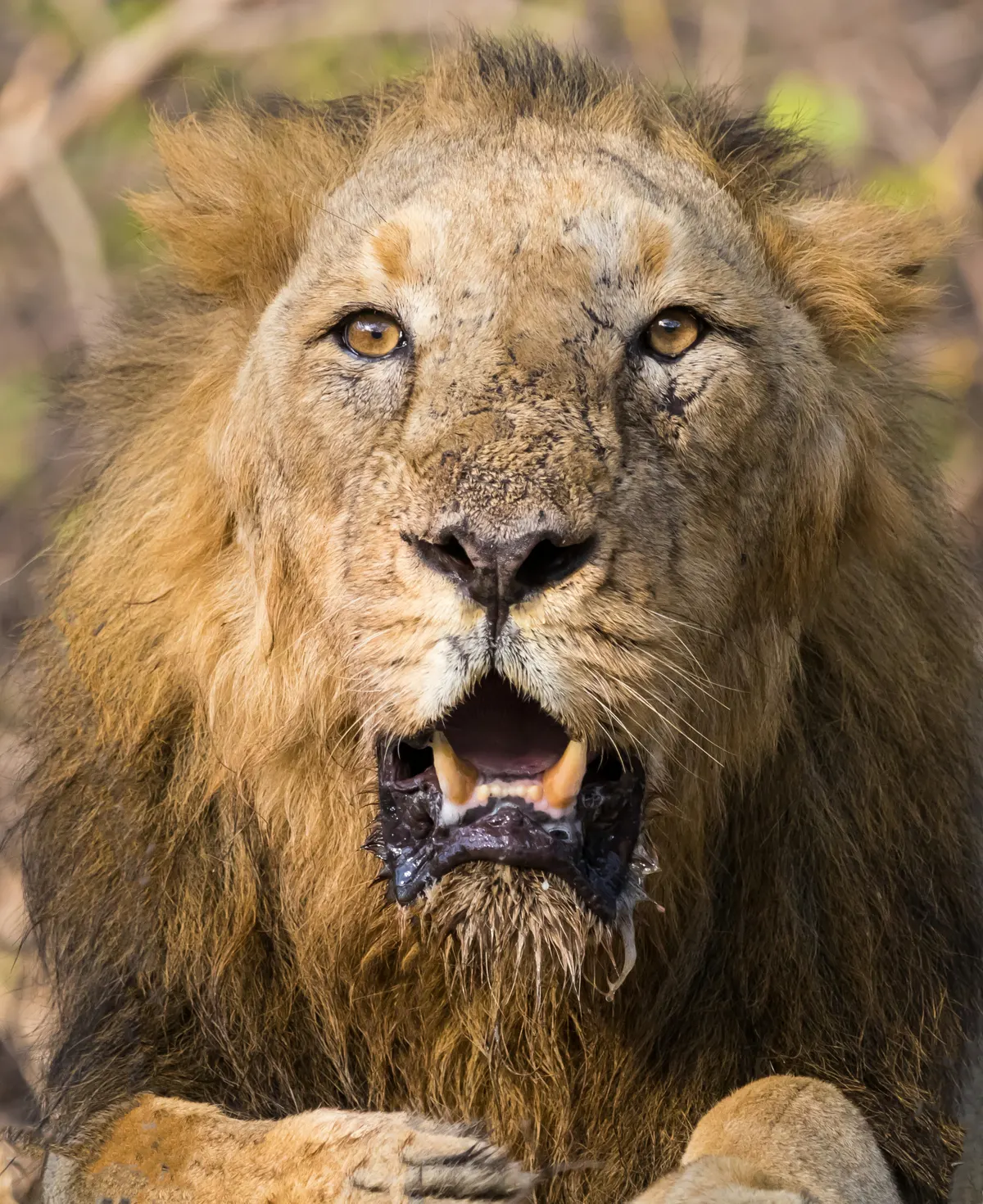
Despite challenges such as roadkill and conflicts with farmers, conservation projects have secured the survival of the species. In 2025, the Indian government announced an investment of US$ 336 million to protect the lions over the next decade.
For those who love wildlife, Gir is more than a destination: it is a unique opportunity to witness the resilience of a species that nearly disappeared. And, who knows, to contribute to its preservation simply by being there.
Ready for this adventure?