
What to Do in Montevideo, Uruguay

· 3 min read
Translated with AI assistance.Read the original in Portuguese
The Uruguayan capital, Montevideo, is charming. It feels like the city has stood still in time, but in a good way. It is calm, so calm that almost everything comes alive on weekends. Don't go there expecting a second Buenos Aires. You'll end up disappointed.
Small, with a population of approximately 1.4 million people (less than the population of São Paulo), Montevideo is the kind of city you can get to know in 48 hours, at least its main tourist attractions. If you have more time, take it slow and add other Uruguayan cities to your itinerary.
The heart and main avenue of Montevideo is Avenida 18 de Julio, named after Uruguay's 1st Constitution, which was born on July 18, 1830. Don't expect a large, super busy avenue; on the contrary, it is small and calm.
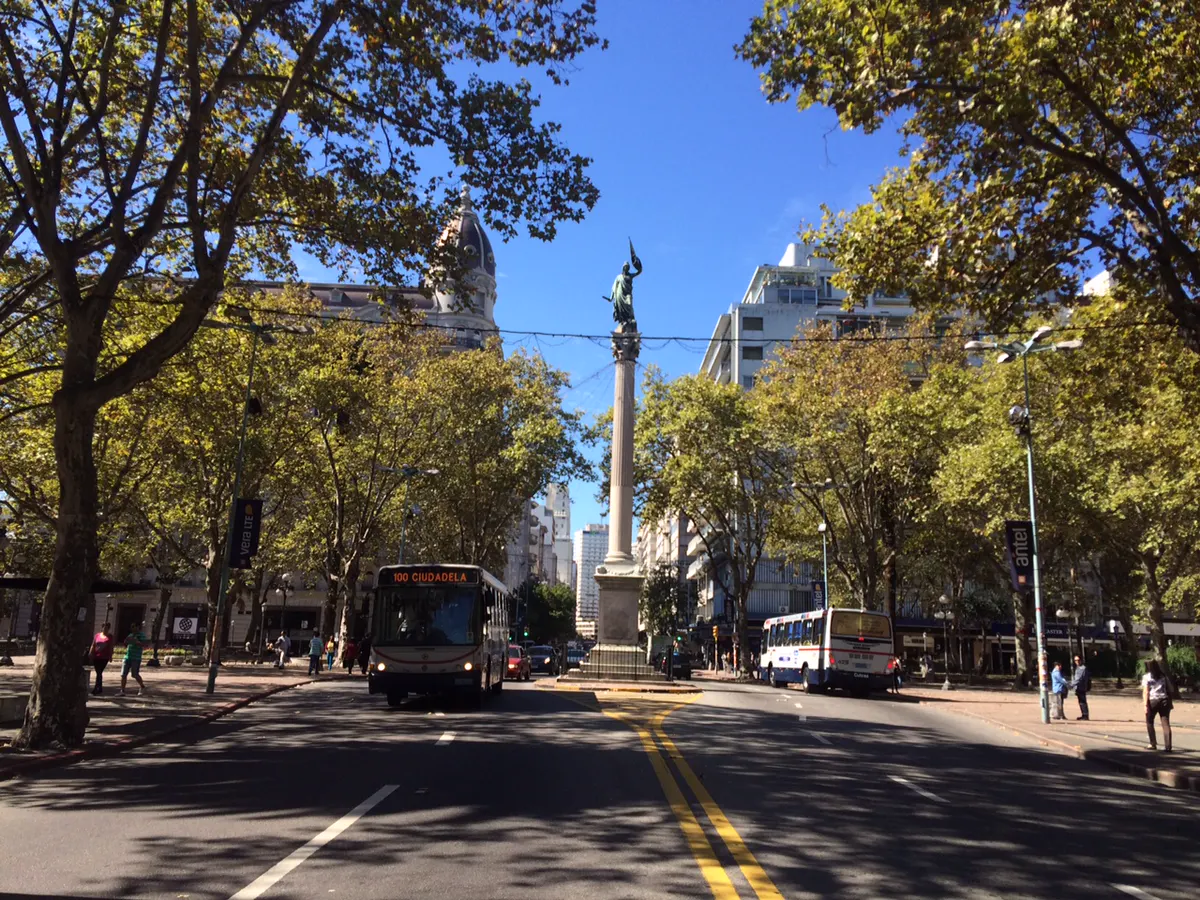
At the beginning of it there are a few currency exchange houses that usually offer a good rate, so it's worth stopping by before continuing on. Along the avenue there are two very important attractions: the Mirador da Intendencia da Montevidéu and the Fuente de los Candados.
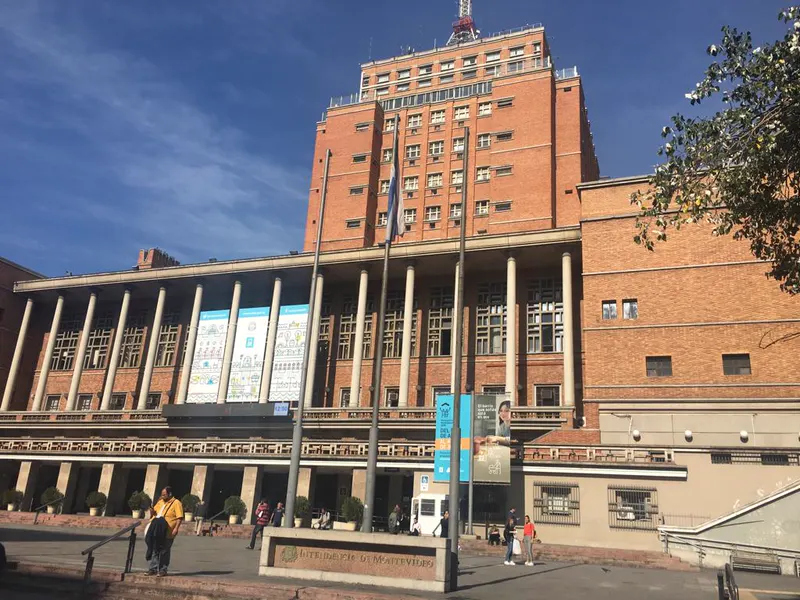
The Mirador da Intendencia is a free lookout located on the top floor of the City Hall, with a beautiful panoramic view of the city. It is open Monday through Friday, from 10 a.m. to 4 p.m.; and on Uruguayan holidays, from 11 a.m. to 3 p.m.
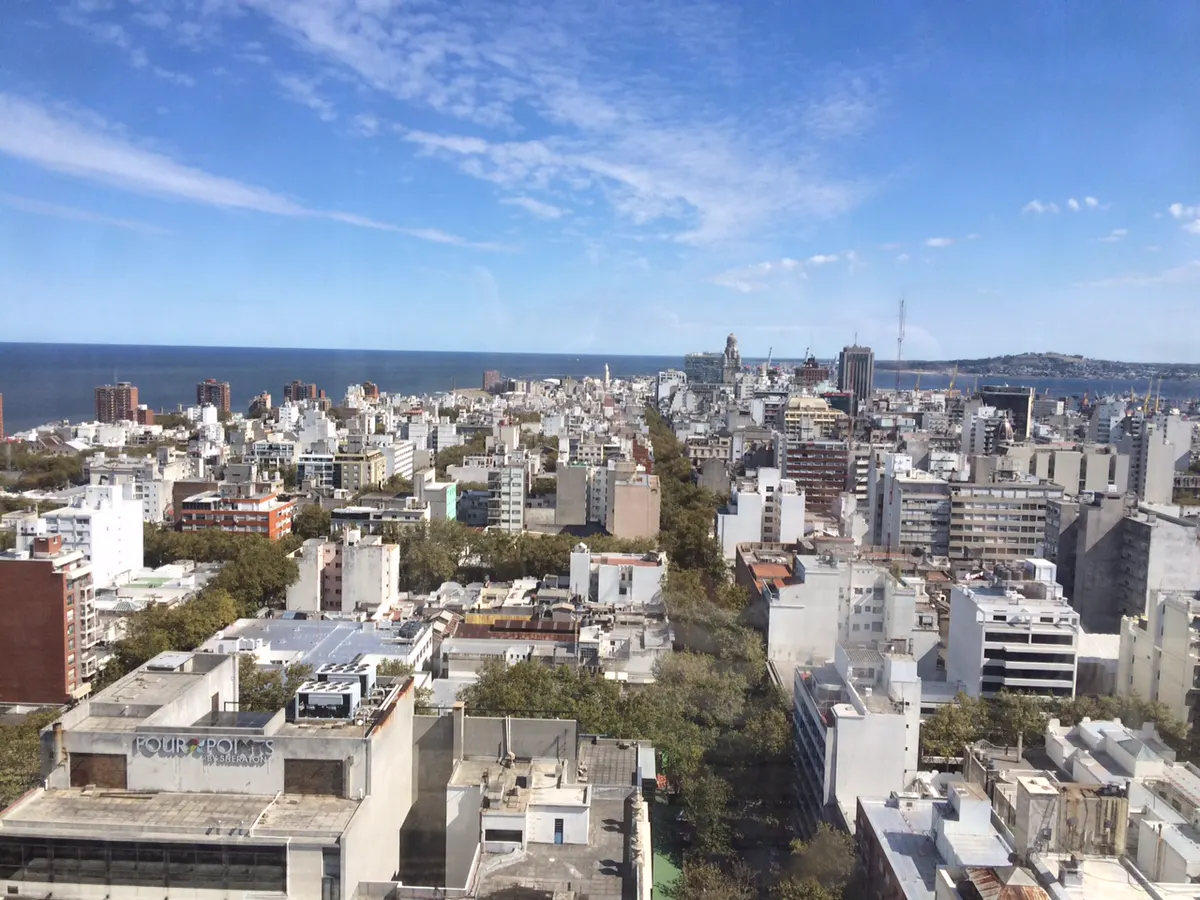
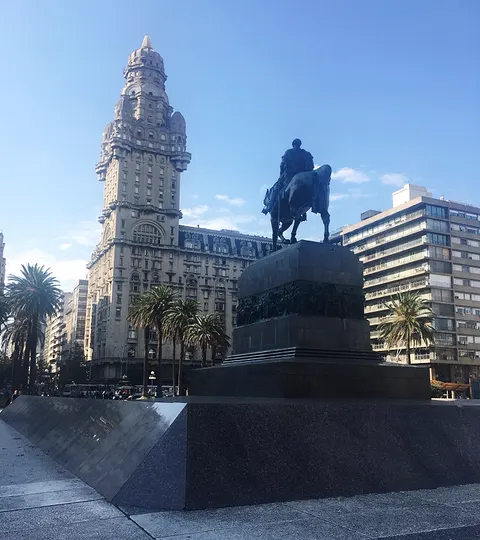
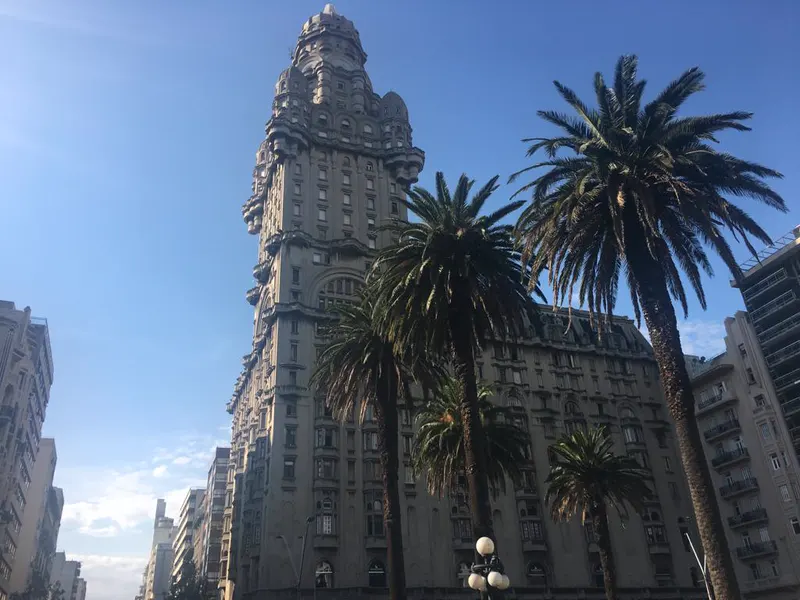
Continuing along Avenida 18 de Julio until you reach the Plaza Independencia. There you will find the Palacio Salvo, a landmark building of Uruguayan architecture. At 95 meters tall, it was one of the tallest skyscrapers in South America for a long time.
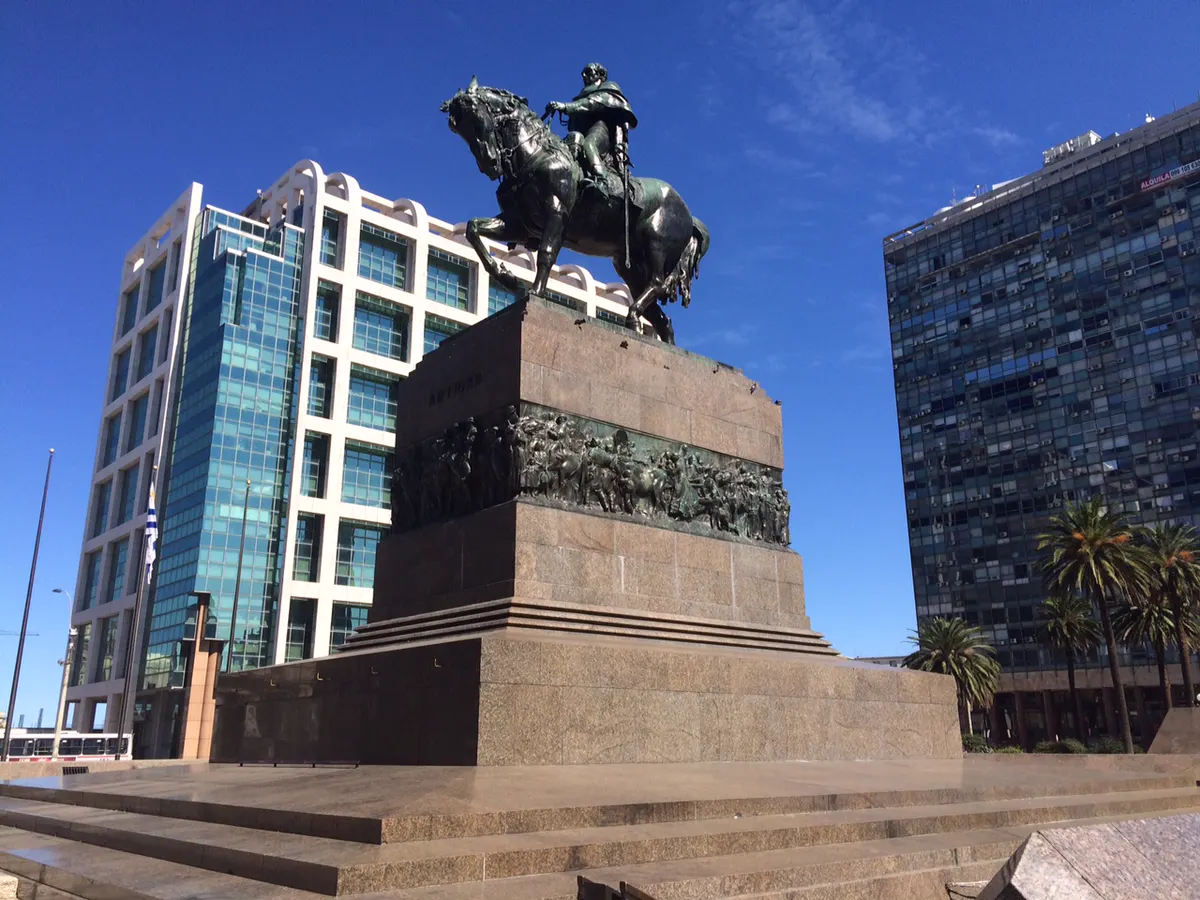
In the middle of the square stands the statue of General José Gervasio Artigas, a national hero who fought for Uruguay's independence. The stairs beside the statue lead to the memorial that houses the general's mausoleum.
Nearby is the Teatro Solís, a symbol of the golden years of the Uruguayan capital, which I unfortunately did not have the time or opportunity to visit. But I know it offers guided tours daily.
Also in the Square is the Puerta de la Ciudadela, part of the city wall that once surrounded Montevideo and still stands.
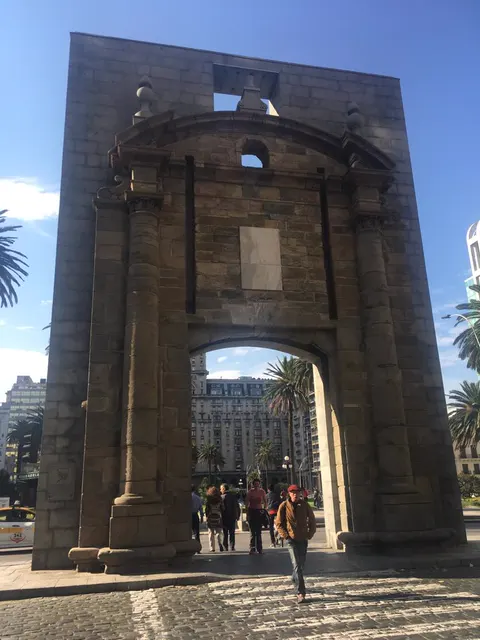
Passing through the gate you will be in the Ciudad Vieja, that is, the Old City. During the week, the area is as busy as the downtown of any capital. But if you go on weekends, as I did, expect to find the area empty. I even heard recommendations not to pass through the region after dark.
If you're hungry, head to the Mercado del Puerto, which has several restaurants serving the famous Uruguayan meats. I recommend planning your itinerary so that you pass by this spot at least once during lunchtime. Being a tourist spot, the market is not very cheap.
Near the Mercado del Puerto is the Museo del Carnaval. Yes, Uruguay has carnival too.
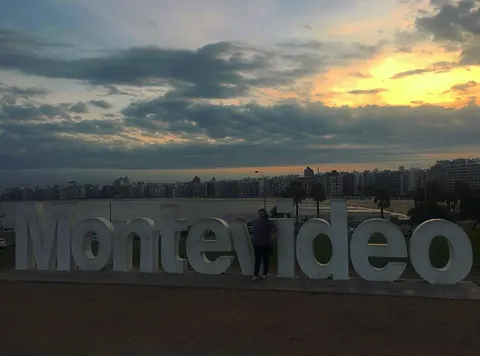
Another essential spot is the sign with the name Montevideo, on the bank of the Río de la Plata. A must-do photo stop.
Other places worth a visit
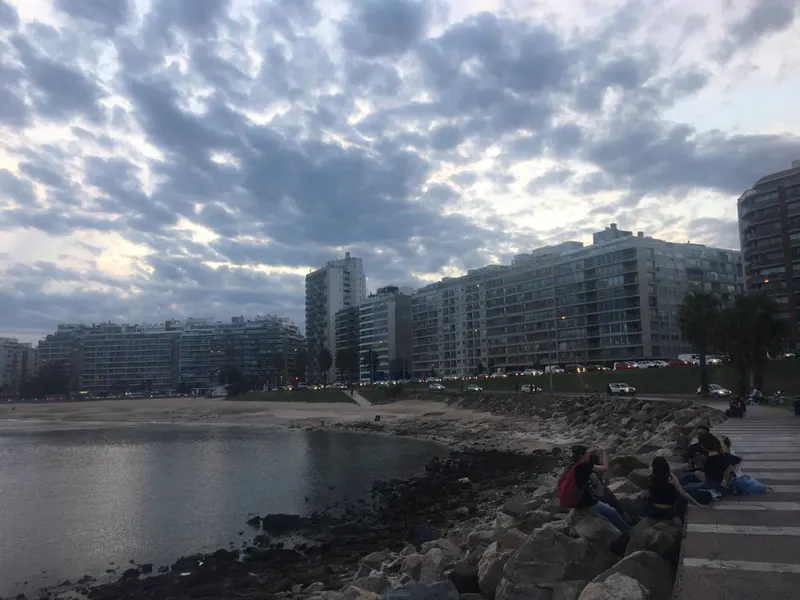
The Parque Rodó, the city's main public area, sits right next to the Río de la Plata. From there you can even walk along the Rambla.
The Museo Andes 1972, which recalls the plane crash involving Uruguayan athletes. The Museo de la Memoria, which remembers the horrors of the Uruguayan military dictatorship. Yes, they suffered through that too.
Other outings that may be interesting (I also did not have the time or opportunity to visit) are the guided tour of the Palacio Legislativo and a visit to the Estadio Centenario, built to host the 1930 World Cup.