
Vaccine Tourism Worries U.S. Authorities

By Julia Paiva
· 4 min read
Translated with AI assistance.Read the original in Portuguese

Brazilians are among the main travelers seeking vaccines in the United States.
The United States has become the target of so-called “vaccine tourism,” which has raised concern among health authorities and outrage among the country's population. Since the start of mass vaccination against COVID-19 in the U.S. in January, reports of non-residents traveling from other locations in search of American vaccine doses have become increasingly frequent.
The Florida Department of Health reported that in January alone, about 52,000 vaccinated people were registered as living “out of region,” which may mean both residents of other U.S. states and foreigners simply traveling through the U.S. Similarly, it is estimated that about 25% of the doses allocated to New York City were administered to non-residents.
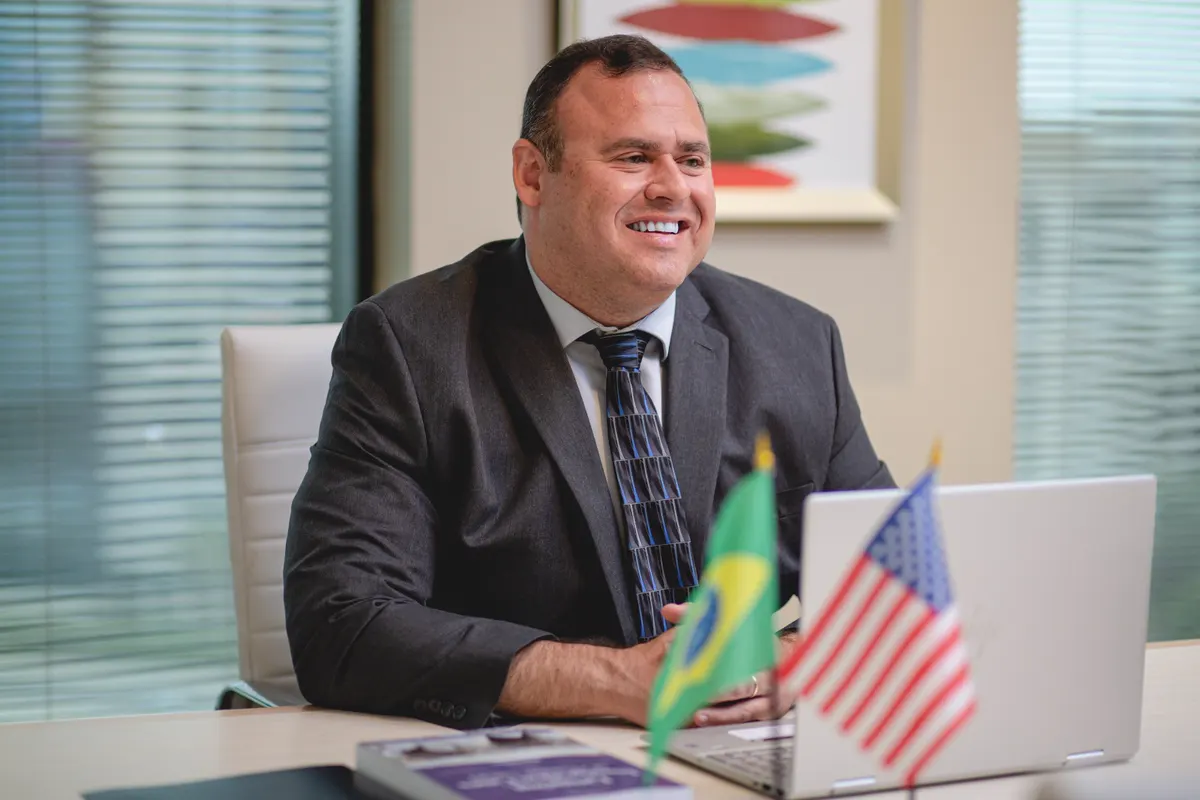
“With the advance of vaccine tourism, thousands of people who actually reside in the states where the doses are being administered and belong to priority groups (health professionals, people over 60, people with comorbidities, school employees, firefighters and police officers) are suffering from a lack of vaccination appointments, and there are already reports of vaccine shortages in several locations” – said Brazilian-American immigration attorney Felipe Alexandre.
To combat the problem caused by vaccine tourism, Florida, California, New York and Texas have begun requiring proof of local residency from those seeking vaccination, and other states are likely to adopt similar measures.
Still, the vast majority of people over 65 continue to be served normally even without presenting these documents, since for much of the medical community vaccination should be available to everyone, regardless of where they live or their immigration status. In addition, American health authorities themselves acknowledge that it is not possible to verify the validity of the documents presented due to the limited number of staff and the time this would take.
“To make it even harder to control vaccine tourism, there are many foreigners who do not live in the United States but own registered property in the country, and can therefore declare themselves as residents to ‘get around’ American authorities. Many Brazilians have managed to get vaccinated in the U.S. this way” – emphasized Felipe Alexandre, who is also founder of AG Immigration, an American law firm that has assisted hundreds of Brazilians with their immigration processes to the United States.
Indeed, Brazil, along with Mexico, are the countries that have driven the most vaccine tourism to the U.S. Due to proximity, thousands of Mexicans have crossed the border, especially into Texas, in search of immunization doses. For Brazilians, however, seeking American vaccines requires greater logistics, since only American citizens, green card holders and a few other exceptions can currently fly from Brazil to the U.S., due to the restrictions the pandemic has imposed on the country.
Brazilians interested in vaccines, generally people with greater financial resources, have initially traveled to countries that are not subject to the same restrictions as Brazil, where they remain for 14 days (quarantine period) and take COVID-19 tests before traveling to the U.S. Upon finally arriving in America, the next step for the “vaccine tourist” is to find out where so-called “leftover doses” are being offered, because after a full day of vaccination in the U.S. there is a possibility of surplus doses that cannot be reused the next day, and which are therefore administered to those willing to wait for hours in long lines outside vaccination centers.
“Information about lines for leftover vaccines spread quickly through the Brazilian community in the U.S., mainly in Orlando and Miami. There are many reports of Brazilians who managed to be vaccinated even without living in the country or belonging to the priority group eligible for vaccination at this time. According to these reports, it was only necessary to present an identification document, such as a driver's license or passport, to receive the desired dose” – reported Felipe Alexandre.
In addition, certain vaccines are also now available at large supermarkets and pharmacies such as Walmart, Walgreens, CVS and Publix, with appointments for those in priority groups, without requiring proof of local residency.
Although many foreigners have indeed succeeded, vaccine tourism is a risky practice and should be increasingly combated in the coming months. There is no consensus on procedures, and each location has its own rules. Moreover, there is a moral and ethical debate that must be considered when seeking immunization ahead of people who truly need to be treated as a priority.
VEJA TAMBÉM: Chile estabelece novas regras para entrada de passageiros vindos do Brasil
“Although it is understandable that people are worried about contagion and seek to be vaccinated as soon as possible, it must be kept in mind that for some to be vaccinated this way, other people in greater need will be left without the vaccine. Especially at this moment, when the new American government is seeking to adopt more welcoming and inclusive measures for the arrival of foreigners in America, vaccine tourism ends up being harmful to the image of other nations in the United States” – concluded Felipe Alexandre.