
Travel Specialist Weighs Pros and Cons of Alternative Accommodations

By Nadine Alves
· Updated · 3 min read
Translated with AI assistance.Read the original in Portuguese
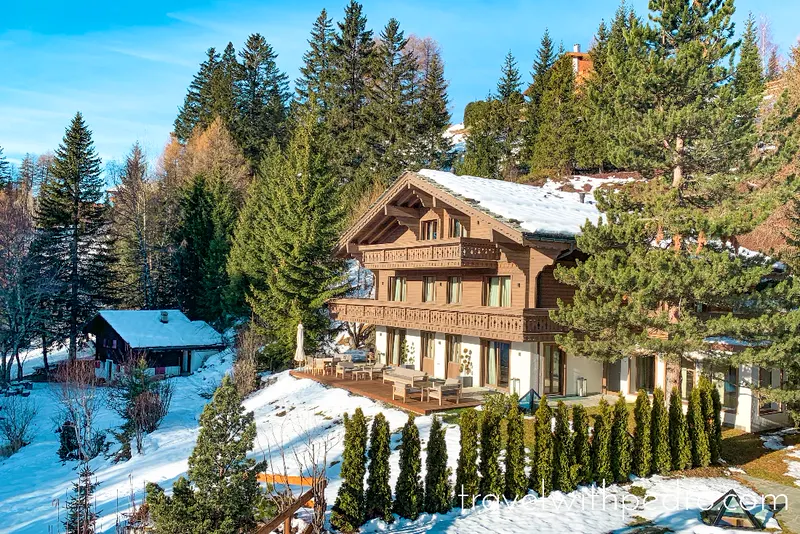
Hotelier Pedro Richardson comments on the growth of rental platforms, such as Airbnb, and offers tips on how to choose the right accommodation for your type of trip
For a long time, the traditional hotel model has been losing ground to new forms of lodging during travel. With options to rent individual or shared rooms, entire or partial spaces, and even unconventional alternatives, these models have won over popular taste when it comes to packing bags and attracted tourists looking for new experiences and better value for money.

“Travel options with space rentals are increasingly popular among tourists around the world, especially in times of pandemic, when maintaining social distancing is mandatory and safer,” says hotel management specialist Pedro Richardson, author of the Travel With Pedro blog, and a graduate of the Blue Mountains International Hotel Management School in Australia, with a specialization from the Cornell University hotel school in the United States.
The growing search for this type of accommodation has even led technology companies to invest in the sector. Since 2008, the Airbnb platform (Air, Bed and Breakfast) has been bringing together people interested in alternative lodging and adventurers willing to offer a room in their home to strangers in exchange for extra cash.
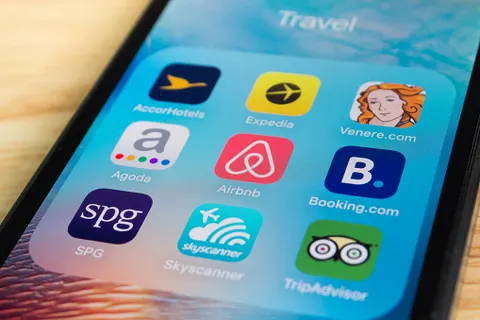
“This app has become a giant in both the technology and tourism sectors. To give you an idea, on its debut in the stock market, Airbnb rose 113% and yielded several tens of billions of dollars for entrepreneurs and investors,” he says.
But what matters most to most people is: is this type of accommodation worth it? To help you decide where to stay, the specialist put together a selection of the pros and cons of alternative accommodations. Check it out.
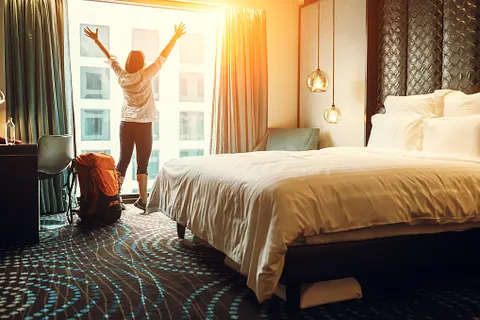
Pros
* You have the option of making new friends when staying in shared spaces. These accommodations can offer countless experiences and exchanges, including with the owners of the spaces.
* Rented properties give you more freedom with your schedule and more privacy. Individual accommodations make you feel at home, with no commitments to meal times or room cleaning. This way, guests can have an experience very close to that of a local resident.
* Prices tend to be lower for this type of accommodation, allowing you to stay in good, valued spots in the place you are visiting, without having to spend on luxury hotels.
* Platforms today also offer more alternative and exotic accommodations, such as private mountain chalets or even a treehouse, making the stay a great experience in itself.
Cons
* You will feel at home, but you won't be. The house gives you the freedom to enjoy things your way, but cleaning obligations will remind you that “mi casa no es su casa.”
* If the tourist opts for a shared space, this can cost you privacy (and if you're not careful, other things too). You need to keep an eye on the safety of your belongings, since turnover tends to be high.
* You won't have room service or breakfast at your disposal. In this type of accommodation, options that include breakfast are rare, so your choices are to make it or buy it.
The fact is that Airbnb and similar accommodations are here to stay and have expanded travelers' range of options, to the concern of hotels and to the good fortune of tourists, who stand to gain the most from the competition.
Read more on our portal: http://www.midiaturis.com.br/o-que-os-turistas-procuram-para-suas-ferias-em-2021/