
Teresina at 174: Why Piauí's Capital Is No Longer Just a Stopover City?

· Updated · 3 min read
Translated with AI assistance.Read the original in Portuguese
Heritage, gastronomy, nature and new investments in hospitality help reposition the Piauí capital on the Brazilian tourism map
Teresina turns 174 this Sunday, August 16, and arrives at the date showing an important shift in how travelers perceive it. The Piauí capital, long associated with a quick stop between other destinations in the state, is beginning to earn new reasons to be included in the itinerary.
While traditional landmarks remain preserved and bring together history, culture, gastronomy and nature, the city is going through a moment of renewal in hospitality and in its infrastructure for welcoming visitors.
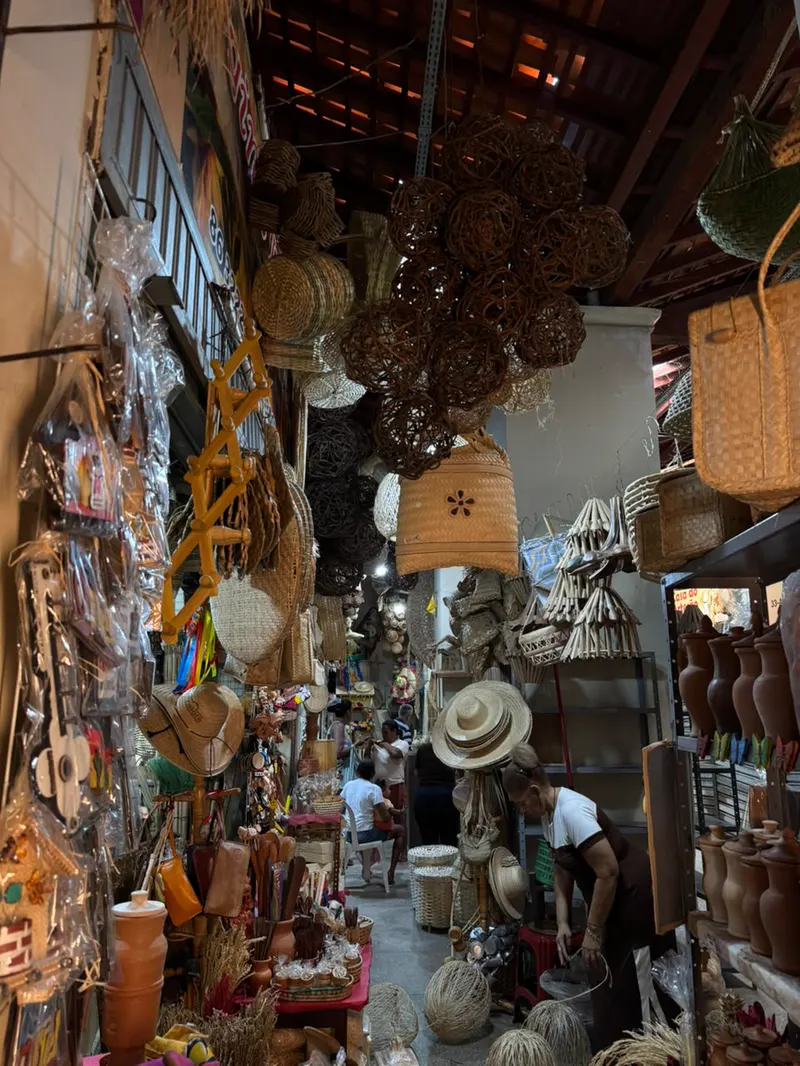
One of the places that help explain the capital's history is the Mercado Velho. Officially inaugurated in 1860, the space brings together popular commerce, handicrafts and products of Piauí gastronomy and is among the most traditional markets in the capital.
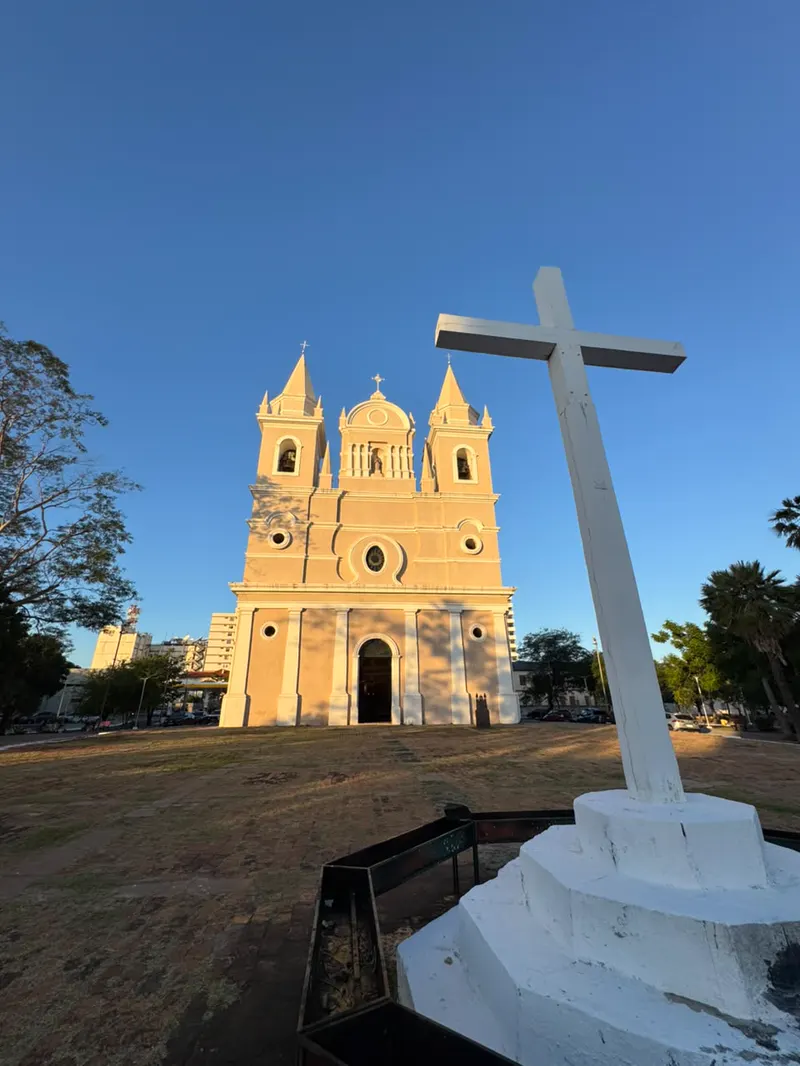
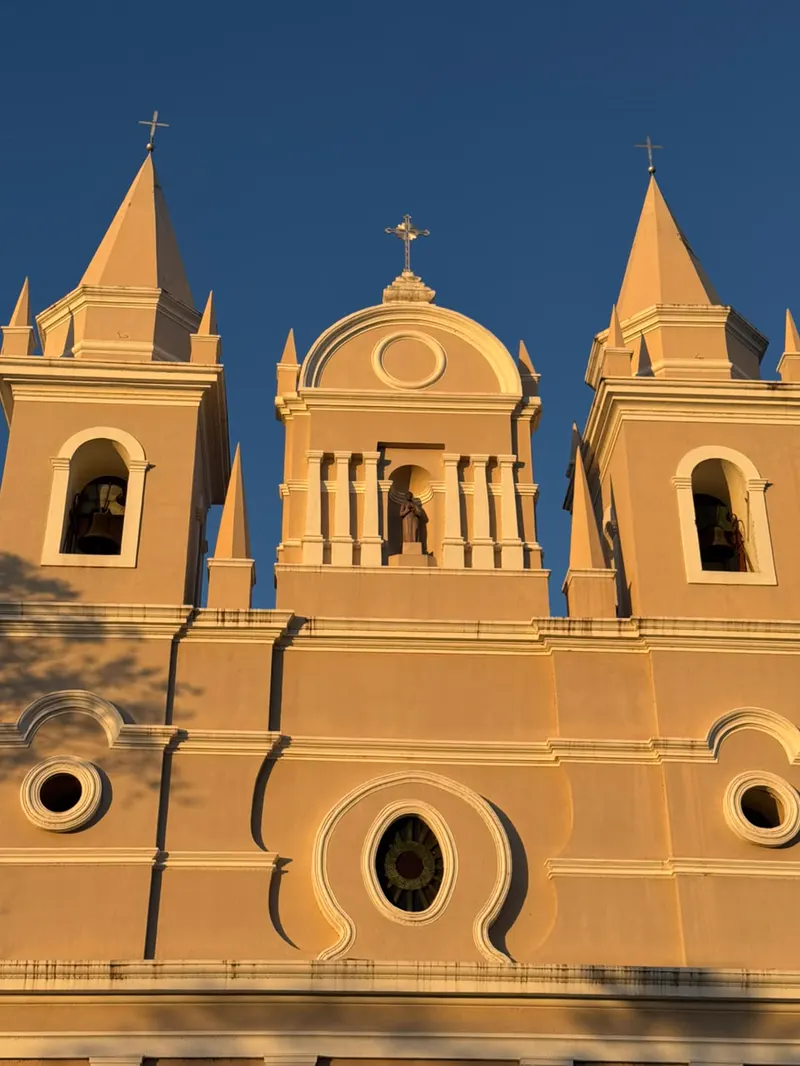
Nearby stands the Igreja São Benedito, one of the oldest religious buildings in the city and an example of Teresina's historic architecture. The site also helps tell part of the capital's story through its religious heritage.
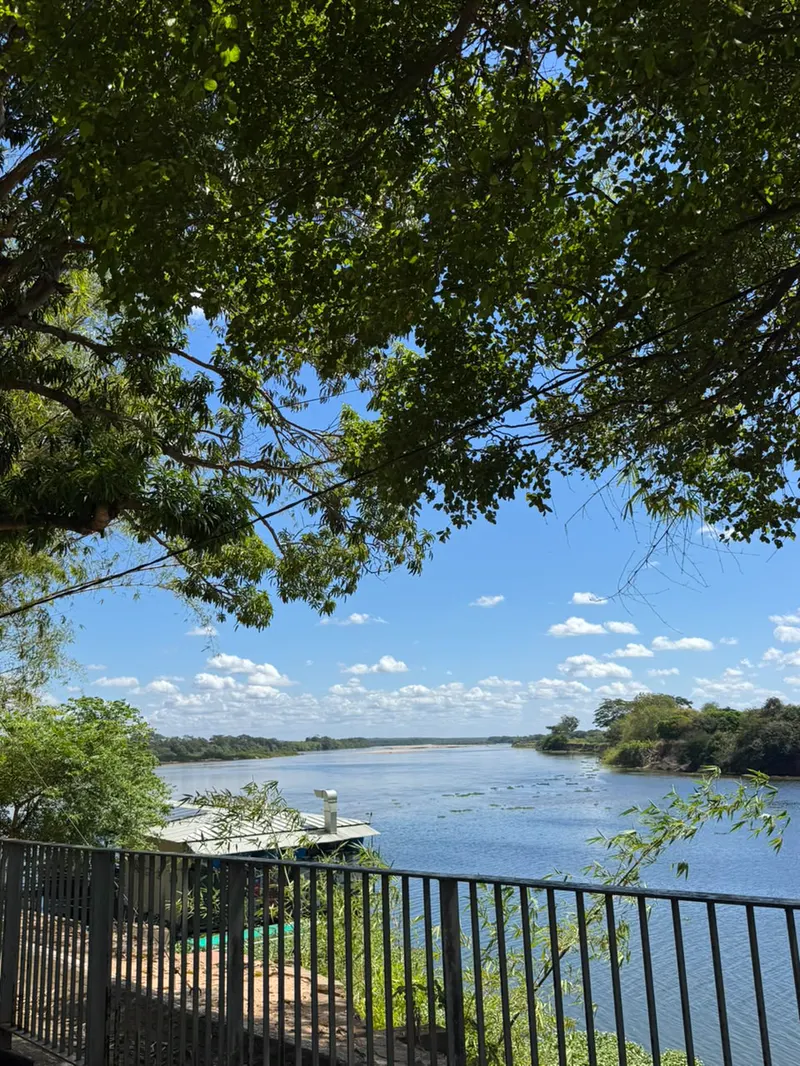
For travelers who value contemplative tourism, the Encontro dos Rios, where the Poti and Parnaíba rivers meet, has become one of Teresina's main postcard sights and gains even more activity at sunset, when the meeting of the waters turns into one of the city's most beautiful scenes.
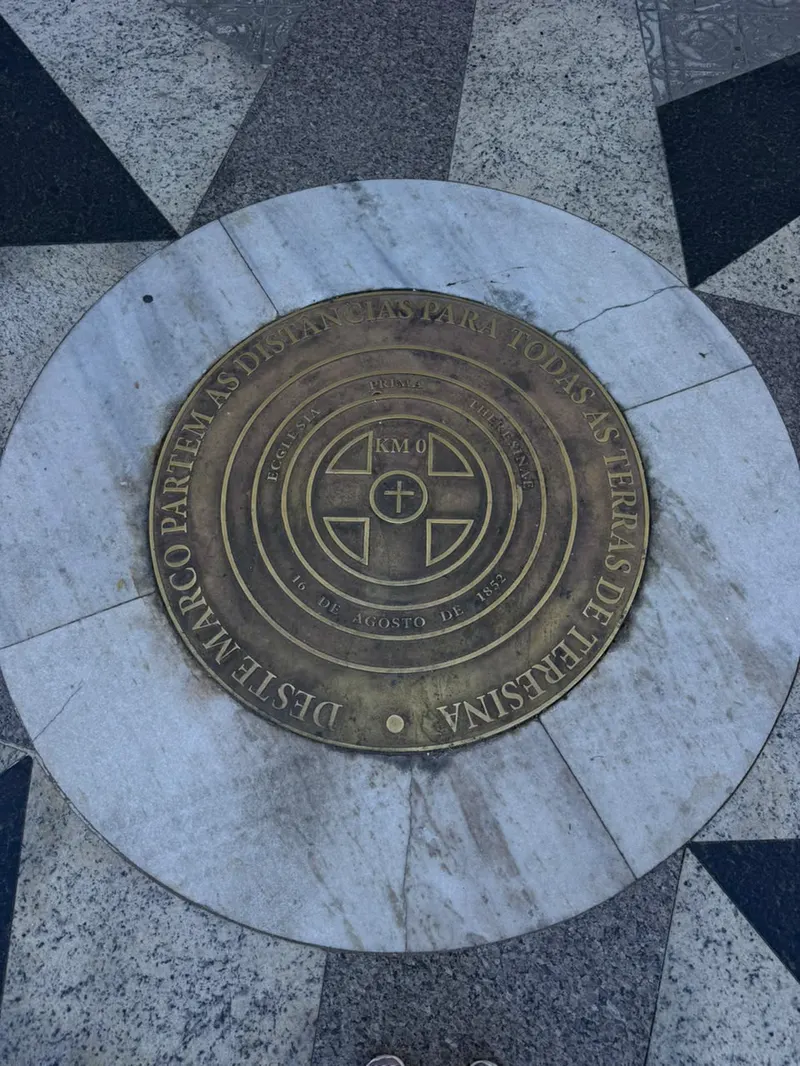
Meanwhile, Marco Zero recalls the founding of the capital and holds part of Teresina's memory. For first-time visitors, it is one of the sites that help explain how the capital was formed and how it developed over the years.
This new phase in Teresina also extends to high-end hospitality
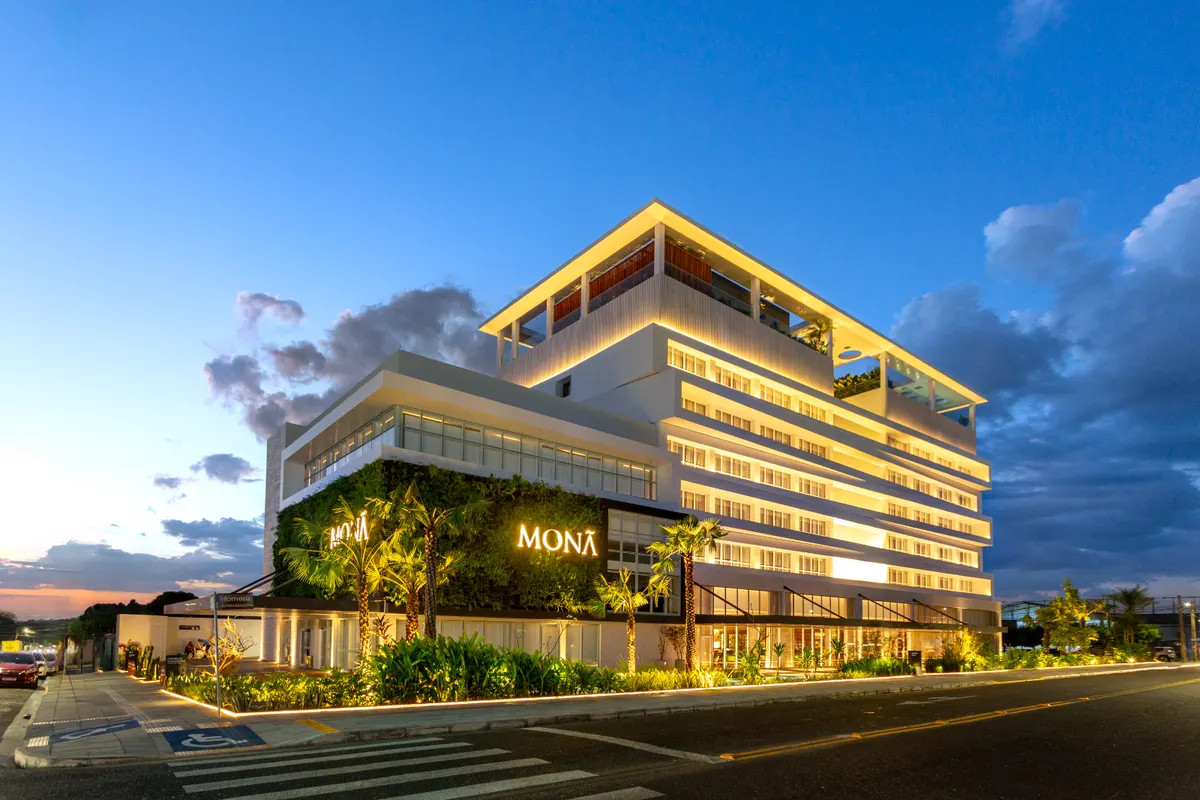
The change in how Teresina is perceived also runs through its hospitality sector. In 2026, the Monã Hotel completes two years of operation as the capital's only luxury hotel and offers a new option for those seeking international-standard lodging without giving up regional identity.
The project incorporates Piauí references in different spaces, with works by local artists displayed throughout the hotel, from the lobby to the rooftop. The name Monã itself comes from Tupi-Guarani and refers to the God who created all forms of nature.
Gastronomy follows the same approach. At the Ayty restaurant, the kitchen combines contemporary techniques with Northeastern ingredients and flavors. The hotel also has a Convention Center, expanding Teresina's capacity to host corporate and social events.
"Teresina has always had a lot to offer, and today we see that translating into numbers: more visitors, more events, more people rediscovering the city," says Andrea Buna, owner of Monã Hotel. "Celebrating the capital's anniversary is also celebrating this movement, of which we are a part."
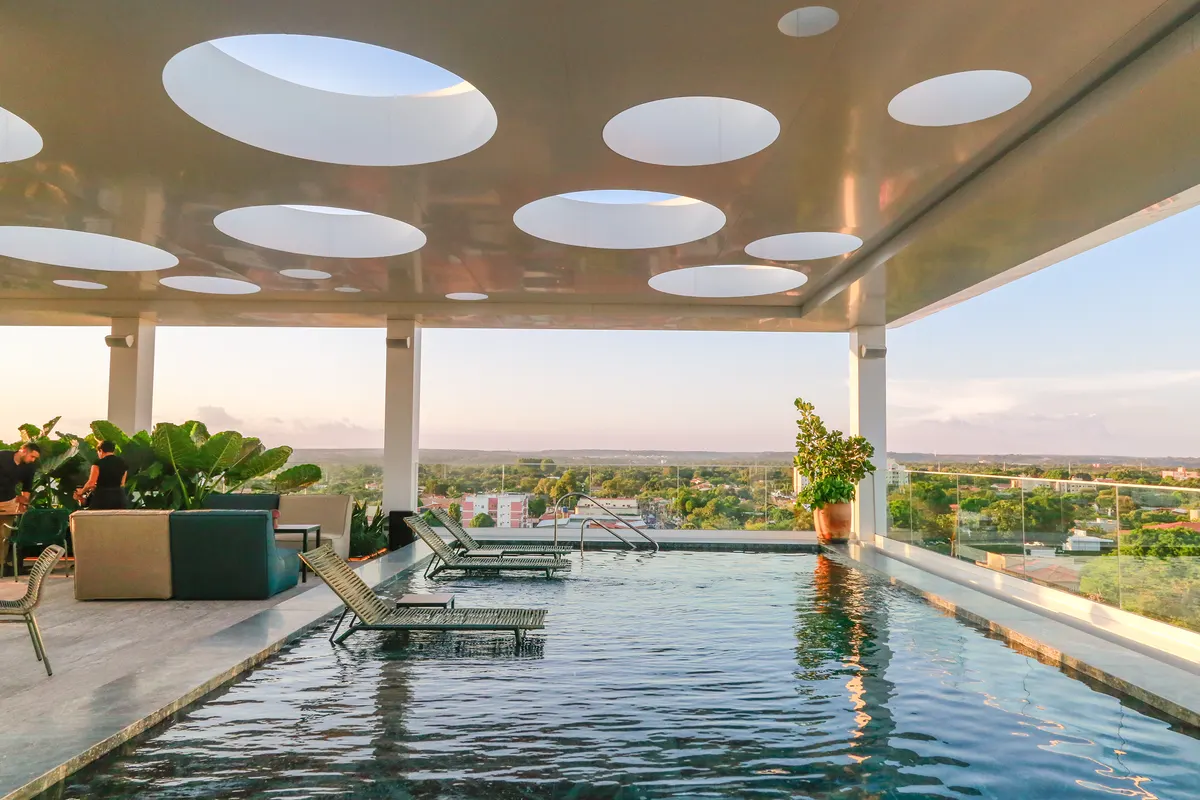
Historic markets, heritage, the meeting of two rivers and a hospitality sector that is beginning to keep pace with demand for higher-end experiences, Teresina arrives at 174 in a moment of transformation. The capital still has room to advance in consolidating its tourism, but it already has enough arguments to stop being just a passing point and truly enter the radar of those seeking to know Piauí in its essence.
[+] MONÃ HOTEL TERESINA:
Address: Av. Homero Castelo Branco, 2755 – Ininga, Teresina – PI
Phone: (86) 2222-1001
Website: www.monahotel.com.br
Instagram: @monahotelteresina