
Smart Automation Promises Higher Comfort, Lower Costs and a Billion-Real Market Opportunity for Hotels in Brazil

· Updated · 3 min read
Translated with AI assistance.Read the original in Portuguese
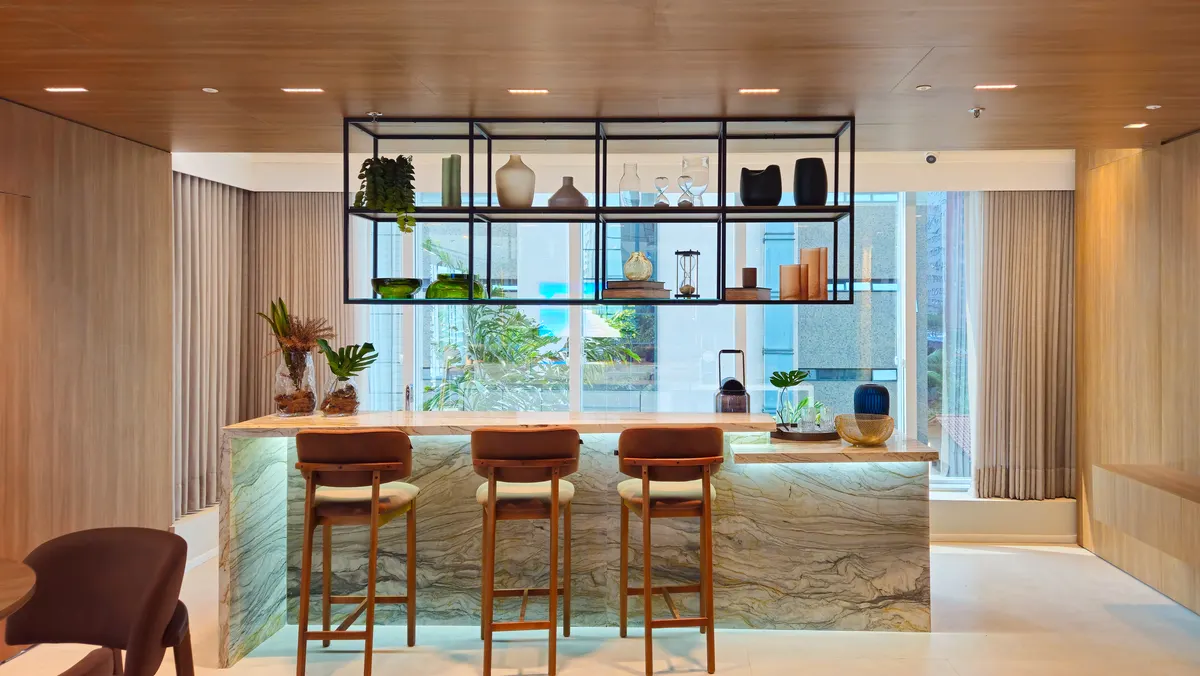
Brazil has more than 550 thousand hotel rooms that still lack automation solutions, representing a practically untapped market. Today, only about 1% of the country's entire hotel stock has smart technology for lighting, climate control or entertainment, available only to ultra-high-end chains.
“This gap represents one of the biggest growth opportunities for the sector, estimated at up to R$500 million in investments over the next five years from automating just 1% of this potential. It is a market with enormous potential for competitive differentiation,” says Rodrigo Paiva, commercial manager at Scenario Automation.
Automation investment can be planned in a way that is compatible with the needs and goals of each property, varying according to the desired level of solution. Even in a conservative scenario, minimum adoption could already move hundreds of millions of reais in the sector, without considering the potential of flats and temporary accommodation units. In addition, it is an investment with the potential for accelerated returns, driven by lower operating costs and the enhancement of service.
Historically restricted to ultra-high-end chains and special suites, automation is moving away from being an exclusive luxury feature. For the specialist, modular and scalable solutions allow mid-sized hotels to adopt the technology as well.
“A project can begin with just intelligent energy control, with sensors that automatically turn off the air conditioning when the room is empty, and then evolve to integrate lighting, blinds and entertainment. It is technically and financially viable,” explains Paiva.
He stresses that the challenge is changing managers' perception: “Automation must be seen as a strategic investment, not as an expense. A well-designed system can pay for itself in less than three years and also add value to the daily rate and the hotel's reputation,” he points out.
Bottlenecks and culture
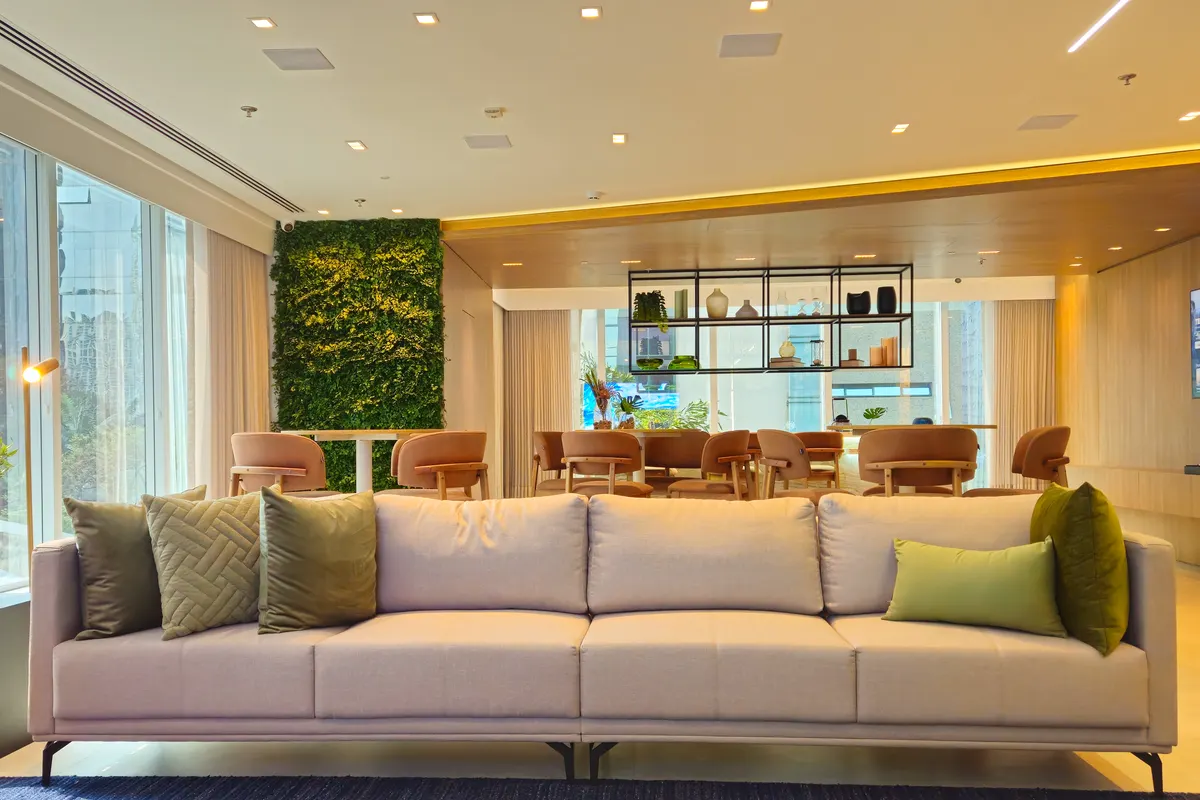
Low adoption is due to factors such as a lack of technology culture, a market fragmented into small independent properties, a shortage of specialized labor and offerings poorly adapted to hotel operations.
“Most automation companies still speak the language of the high-end residential client. Technology must be translated into the hospitality world, with standardized, replicable solutions and continuous support,” Paiva reinforces.
In addition, many hotels still rely on simpler and more limited solutions, such as energy-saving key cards, which “do not offer real intelligence and are easily bypassed,” according to the specialist.
Experience as a differentiator
For properties, automation means efficiency, savings and standardization. For guests, it is synonymous with comfort, personalization and modernity.
“More than pressing buttons, the guest wants the room to react to them: lights gently coming on, a pleasant temperature and curtains closing in rest mode. This creates memories and builds loyalty,” Paiva highlights.
The intelligence behind automation
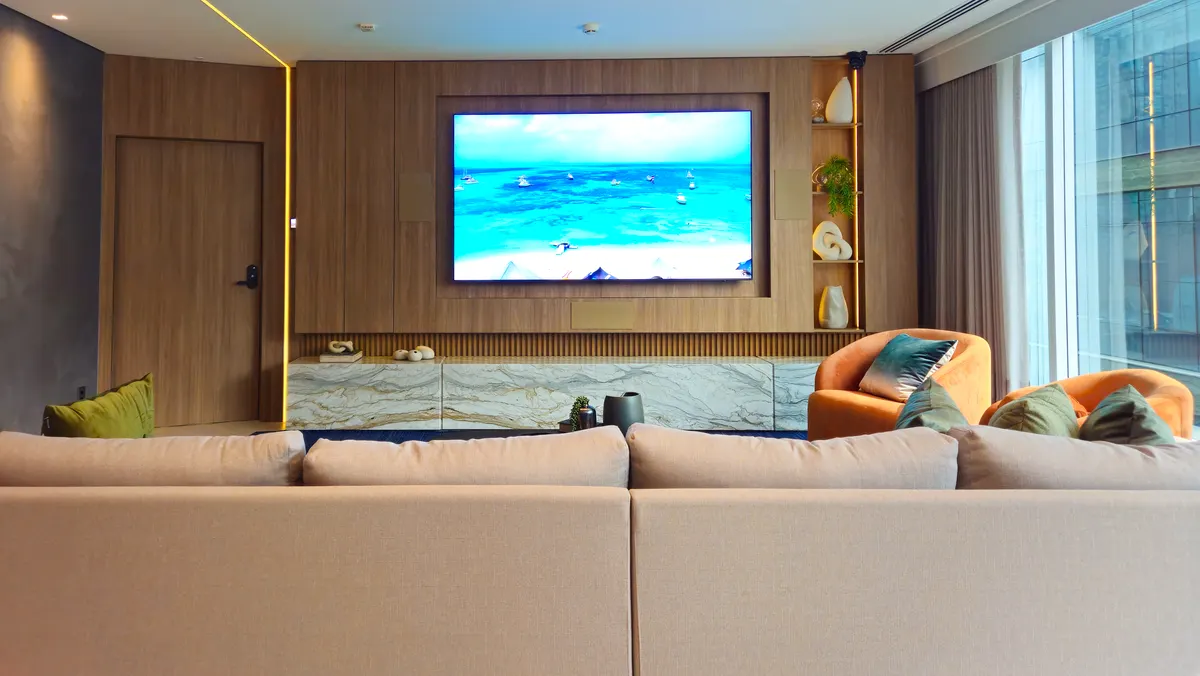
Scenario bets on proprietary sensors and artificial intelligence so that the room adapts to context without manual commands.
“Automation without intelligent sensors is not automation, it is just a remote control. The environment should adapt to the guest, not the other way around,” Paiva points out.
Sensors detect presence, luminosity and continuous occupancy, automatically adjusting lighting, climate control and blinds. The result is lower operating costs and greater comfort for the guest.
The company already has impressive case studies, such as the Emiliano hotels in São Paulo and Rio de Janeiro, in operation for more than five years with constant upgrades, and Clara Resorts, in Minas Gerais. More recently, in partnership with specialized resellers, it developed the “Projeto V3rso” for the Emiliano chain, which combines traditional hospitality with residential rentals, with automation at the core of the proposal.
“There is pent-up demand and available technology. What is missing is connecting this to the hotelier's business, showing real ROI and market differentiation. Whoever does this will lead the transformation,” Paiva concludes.