
São Paulo's North Coast Gets Brazil's Largest Gastronomy Festival

· 3 min read
Translated with AI assistance.Read the original in Portuguese
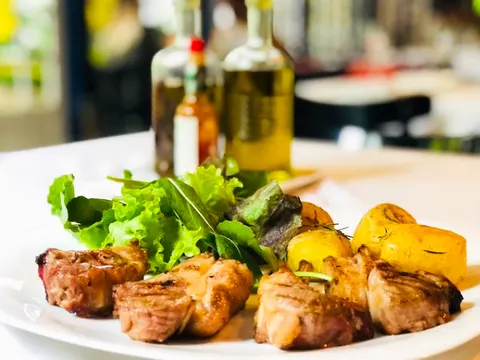
The 1st Gastronomy Festival of the North Coast – Sabores da Praia, which will run from December 2, 2022 to February 26, 2023, is already being billed as Brazil's longest such event. It will last 87 days (nearly three months), during which the gastronomy trade and sponsors can showcase their brands and products to an estimated audience of 3.5 million tourists, in addition to the permanent population, estimated at 350,000 people.
It will also be the first gastronomy festival to bring together all four cities on the North Coast of the State of São Paulo (Caraguatatuba, Ilhabela, São Sebastião and Ubatuba). The mission is to create unusual experiences for the public, opinion leaders and the entire chain behind the core elements of regional gastronomy.
The Festival will bring together the region's leading restaurants, gastro bars, pizzerias, burger joints, cafés, bistros, ice cream parlors, dessert shops, breweries and artisan producers. The event will be indoor, meaning it will take place only within restaurants, and will cover the main gastronomy niches.
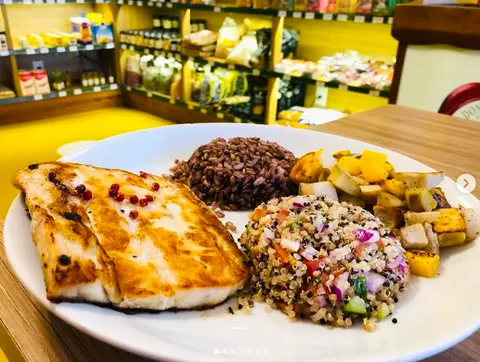
“The indoor model allows participating establishments to control the quality of their food and food safety, in addition to using the venues' own infrastructure, since festivals held in public squares do not offer an adequate structure for food preparation, besides generating a lot of waste, such as disposable plates, cutlery and cups,” says Jéssica Aquino, marketing manager of Sabores da Praia and Sabores da Montanha, the latter being a branch of the Grupo Sabores na Serra da Mantiqueira.
According to her, the indoor format also offers convenience to customers, who have basic amenities available such as restrooms, parking, etc.
The organizers estimate participation of around 150 to 180 restaurants and similar establishments across the four municipalities in the region. Since registrations were only recently opened, the numbers could exceed expectations. Registration runs until October 28, and information on joining the festival can be requested via Instagram @saboresdapraiabr.
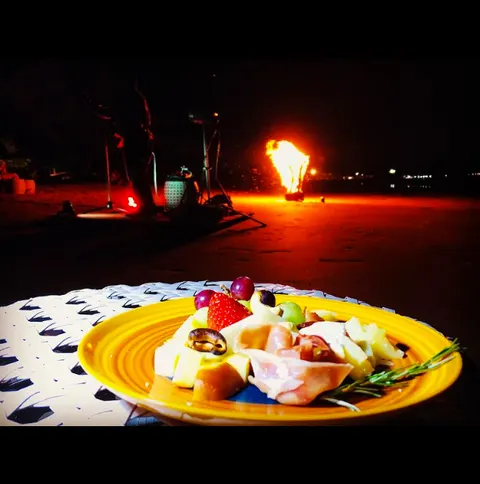
Gastronomy Festival to Enhance Regional Cuisine
According to the marketing manager of Sabores da Praia, Jéssica Aquino, the festival's format will differ from similar events traditionally held by local municipalities in the low season, whose main goal is to attract tourists and sell dishes.
“Our goal is not to attract tourists, since the event will take place during the peak summer season. Nor is it to sell dishes, since gastronomy establishments will already be in high demand at this time. Our main goal is to promote regional gastronomy around the world, taking advantage of the visibility from mainstream media, which at this time of year turns its spotlight to the North Coast. Furthermore, it will be an extra attraction for tourists traveling to the region, since there is no gastronomy festival at this time of year,” she explains.
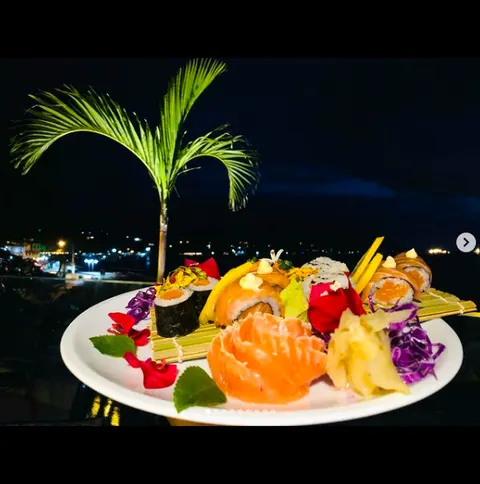
Also according to Jéssica Aquino, the region has already become a major gastronomy hub, but it still needs refining. “We have a great diversity of gastronomy establishments, ranging from simpler restaurants serving extremely high-quality food to those focused on fine dining, such as the establishments in Ilhabela and the Costa Sul of São Sebastião, with excellent restaurants and renowned chefs. The problem is that all this diversity is not promoted. And the little promotion that does exist is restricted to local and regional media. The festival aims to consolidate the region as an important Brazilian gastronomy hub,” she says.