
Regenerative Tourism: These Hotels Are Transforming the Destinations Where They Operate

· Updated · 4 min read
Translated with AI assistance.Read the original in Portuguese
From the Caribbean to the Brazilian coast, a new generation of luxury hotels has taken on an increasingly active role in regenerating the territories where they operate. It is not just about minimizing environmental impacts, but about returning value to local communities, supporting ancestral cultures and creating experiences that transform not only travelers — but also the places they visit.
The movement known as regenerative tourism has been gaining strength among purpose-driven hotel chains. According to the “Belém Declaration,” a document drafted during G20 meetings in Brazil, this new tourism model should be “sustainable, resilient and inclusive” — three words that, for some properties, are already concrete reality.
We selected three hotel projects in different parts of the world that have become benchmarks for this new outlook: The Family Coppola Hideaways, in Belize; Nayara Hangaroa, on Easter Island; and the Brazilian Grupo Filha da Lua, in Rio Grande do Norte.
Blancaneaux Lodge – Belize
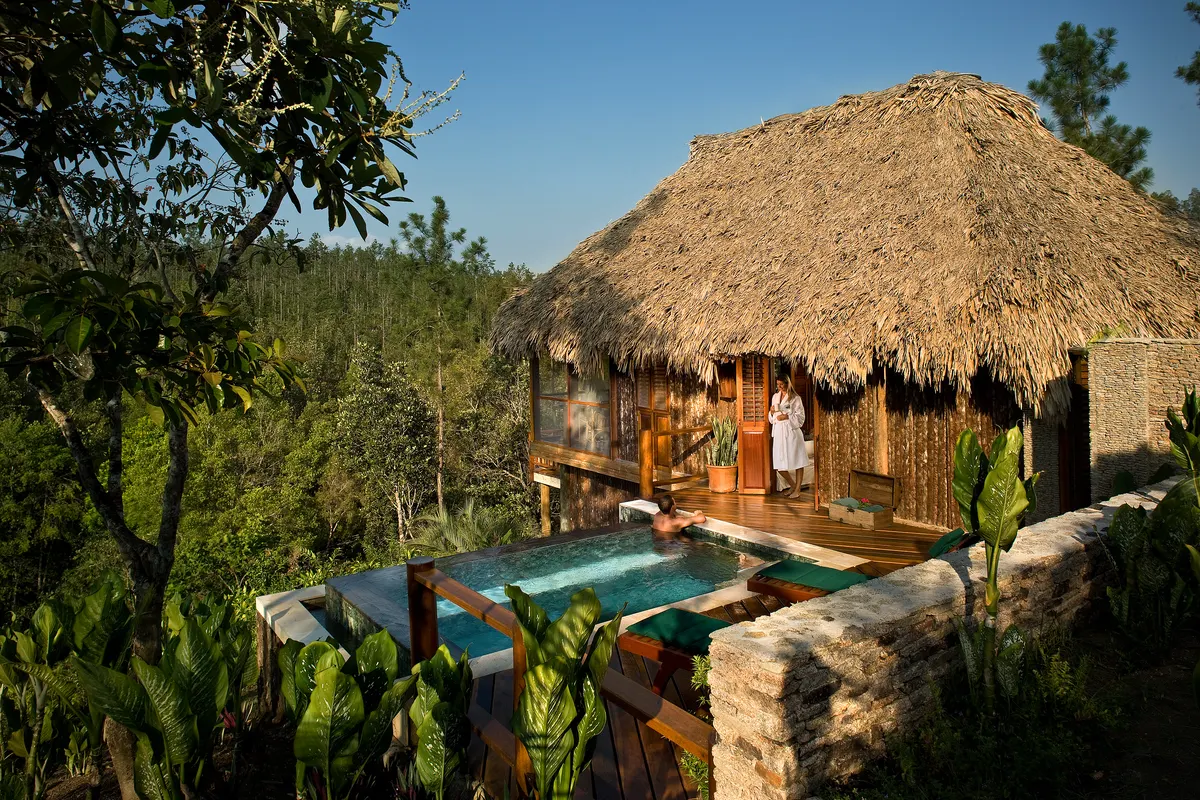
In the heart of the Belizean rainforest, Francis Ford Coppola built not just a family retreat — but a model of regeneration. Since opening to the public in the 1990s, the Blancaneaux Lodge has combined native architecture, ecological practices and a connection to local culture.
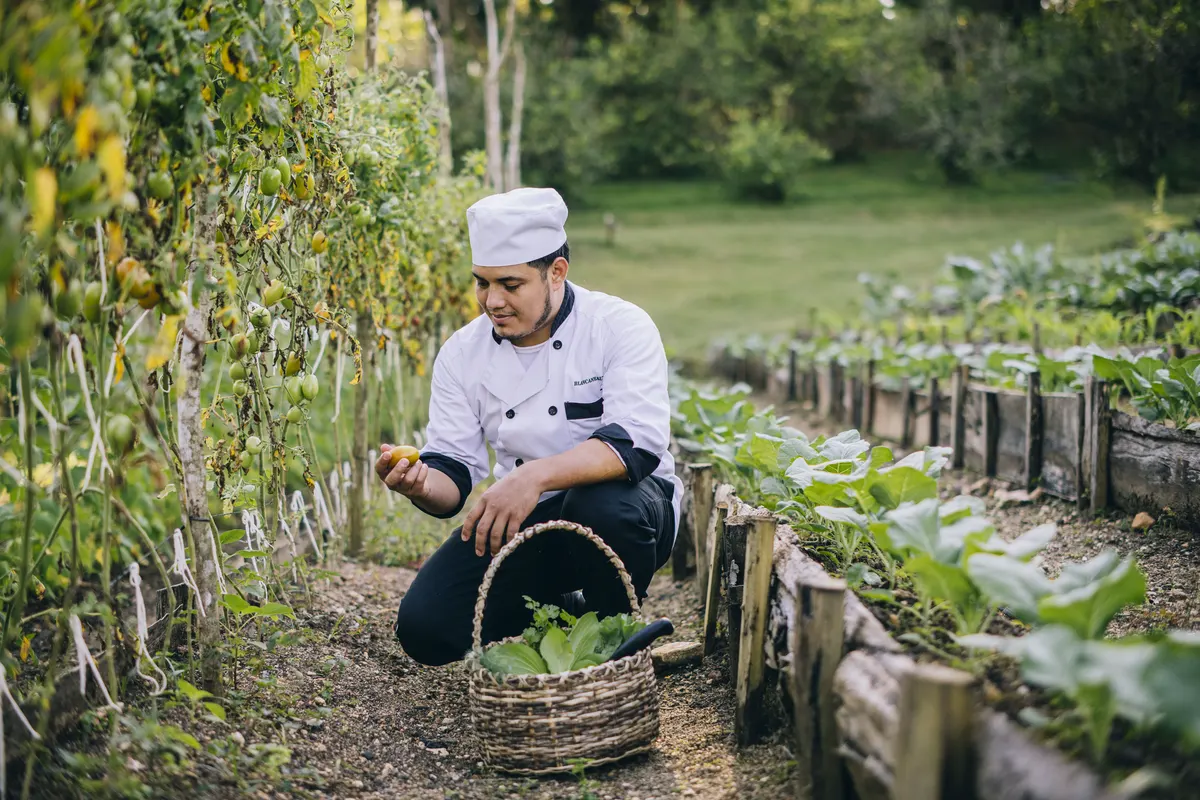
The lodge runs on hydroelectric power generated by a stream on the property, responsible for 85% of the electricity used on site. The pools are treated with salt, without harsh chemicals, and the buildings prioritize natural ventilation. Its 3.5-acre organic garden supplies not only the hotel’s kitchen, but also invites guests to harvest their own ingredients to prepare vegetable ceviches or lemongrass mojitos.
But the impact goes beyond environmental sustainability: Belizean artists have space to perform and teach workshops, local young people receive scholarships, and part of the revenue is directed to the main health clinic in the Placencia region. Here, every detail is designed to keep the essence of the place alive — with elegance and authenticity.
View this post on Instagram
Nayara Hangaroa – Easter Island
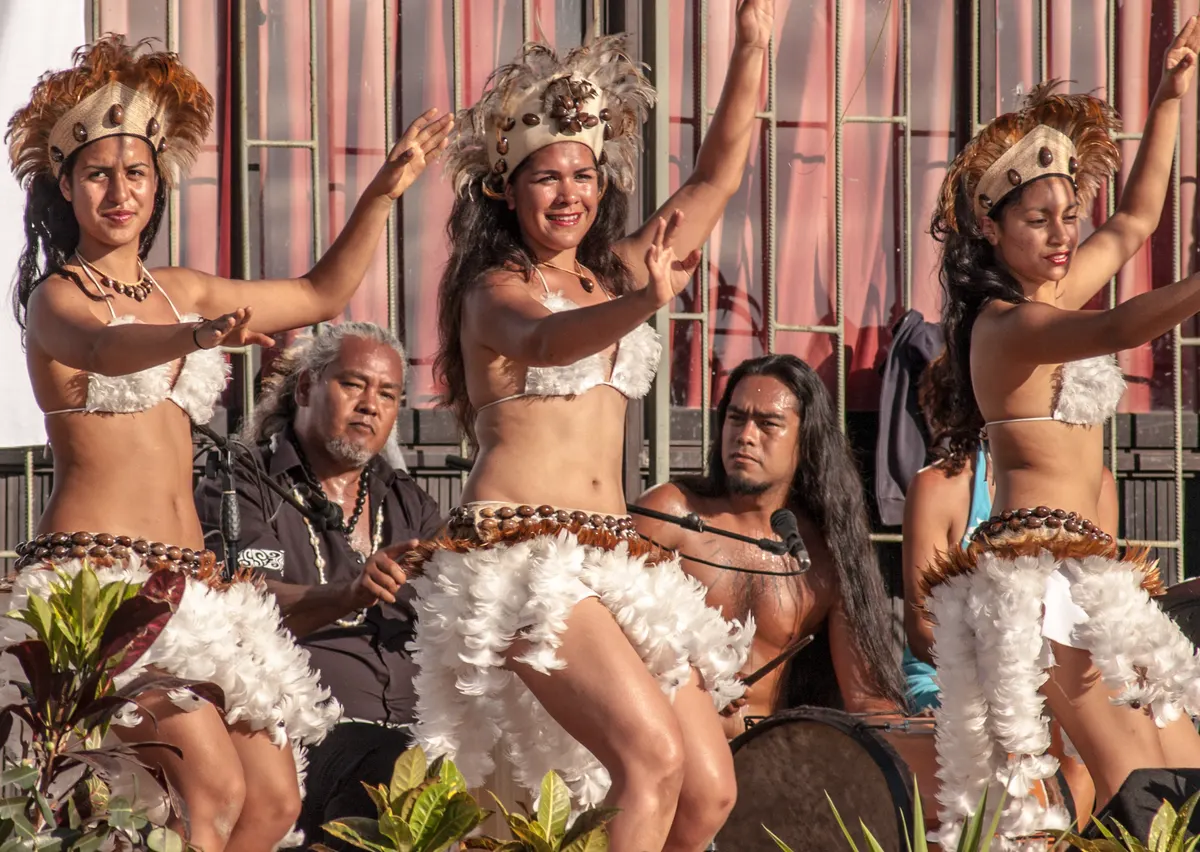
Located in the South Pacific, at the most remote point of Polynesia, Nayara Hangaroa makes cultural regeneration the heart of the experience. Set on the legendary Easter Island, the hotel was designed in harmony with the ancestral architecture of the Rapa Nui people, with green roofs that mimic the ancient ceremonial dwellings and maintain the natural thermal control of the spaces.
The hotel operates with nearly 100% of its staff made up of island residents, who share their heritage, language and cosmology with visitors. Internal training and certification programs allow these professionals to grow within the tourism chain with autonomy. In addition, Nayara promotes actions focused on education, food security and family well-being for its employees, offering housing and free transportation.
More than a hotel, Nayara Hangaroa acts as a partner to the island — honoring the territory where it operates and opening paths for the inhabitants themselves to define the future of their culture.
View this post on InstagramA post shared by Cristián Arriagada Bižaca (@cristianarriagadab)
Filha da Lua Eco Lodge – Pipa, RN, Brazil
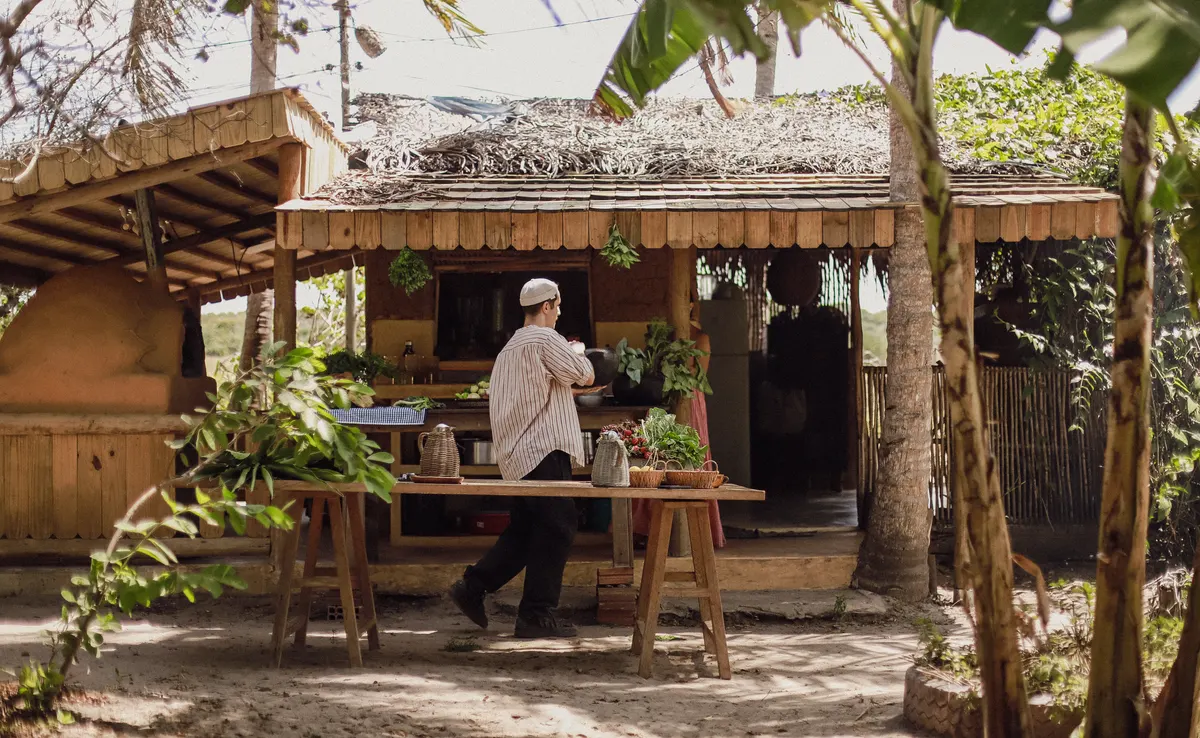
On the seafront, between cliffs and native forest, the Filha da Lua Eco Lodge was born with a clear purpose: to create an ecological sanctuary that respects the soil, the waters and the people. Its 17 stilt suites, with architecture inspired by Bali, minimize environmental impact and blend into the landscape of Praia das Minas, in Pipa, in Rio Grande do Norte.
The group, which also manages Sempre Vivo and Filha da Lua Barra, is built on a tripod of community, nature and education. Through the Hello Pipa and Hello Barra schools, more than 500 children and women in the region have already gained access to vocational training and English classes. At the KiteMaster Academy, young people are trained to work as certified kitesurfing instructors, with a focus on protecting marine life.
The value chain also includes Fazenda Pachamama, with 11 hectares dedicated to agroecology and permaculture. The food produced there supplies the hotels and is also used in workshops open to the community on composting, organic gardening and environmental regeneration practices.
In Pipa, luxury is being reinvented: it is not about ostentation, it is about bringing life back where it is needed most.
View this post on InstagramA post shared by SEMPRE VIVO HOTEL & CICCHETTI RESTAURANTE (@semprevivo_pipa)