
Pindobas Becomes the First Tourism District in Espírito Santo and a Benchmark for Territorial Development Through Tourism

· Updated · 4 min read
Translated with AI assistance.Read the original in Portuguese
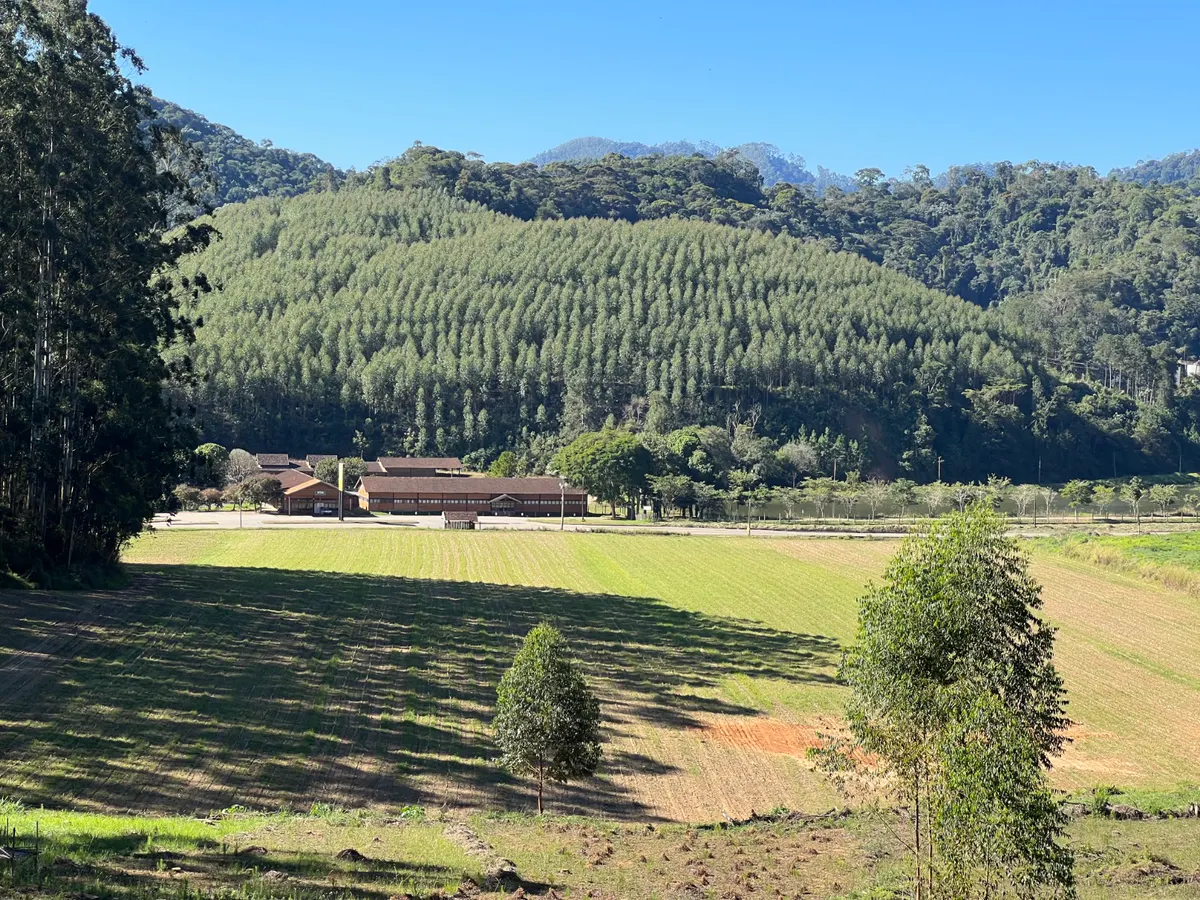
The creation of Pindobas as the first Tourism District in Espírito Santo introduces a new model of tourism-based territorial development in the state. Made official in 2026 by the Government of Espírito Santo in Venda Nova do Imigrante, the project consolidates a strategy built since 2023 to transform a territory of strong cultural and rural identity into a benchmark for tourism planning, management and competitiveness. The process was led by Sebrae/ES with technical support from Lab Turismo Consultoria, which structured actions involving the public sector, private enterprise and the local community.
Located in Venda Nova do Imigrante, a municipality recognized as the National Capital of Agritourism, Pindobas preserves an important part of the history of Italian immigration in Espírito Santo. The territory brings together historic mansions, rural properties, family farm production, typical gastronomy, landscapes of the Montanhas Capixabas and businesses that express local identity, such as Casa Nostra, turning tradition, culture and hospitality into tourism experiences.
Recognition as a Tourism District represents more than a new territorial classification. The model creates a favorable environment for organized management, strengthening of the local economy, attraction of investment, qualification of the tourism offer and greater competitiveness of the destination, with tourism as a driver of sustainable development.
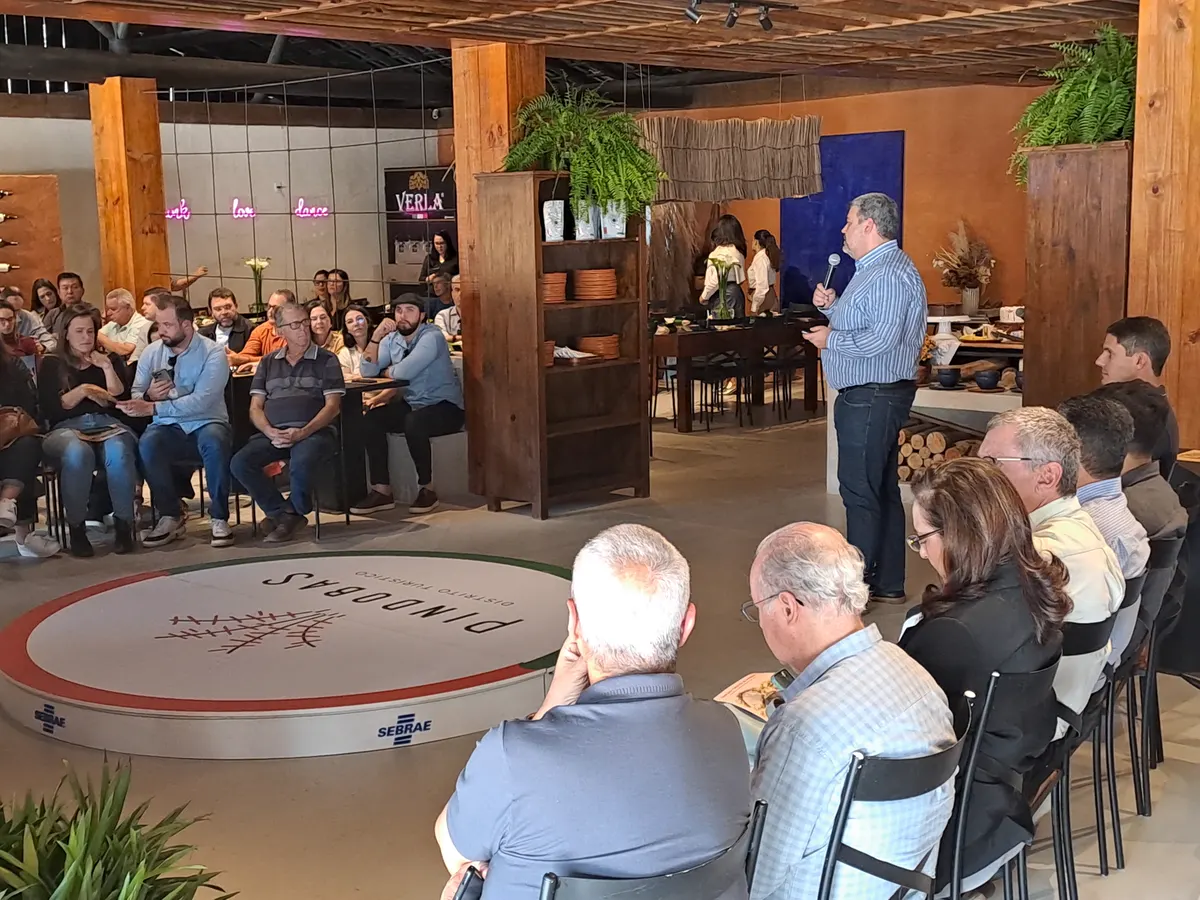
Over the last two years, Lab Turismo Consultoria led a planning and implementation process structured around three main axes: governance, market and tourism offer, connecting strategic planning to the execution of actions.
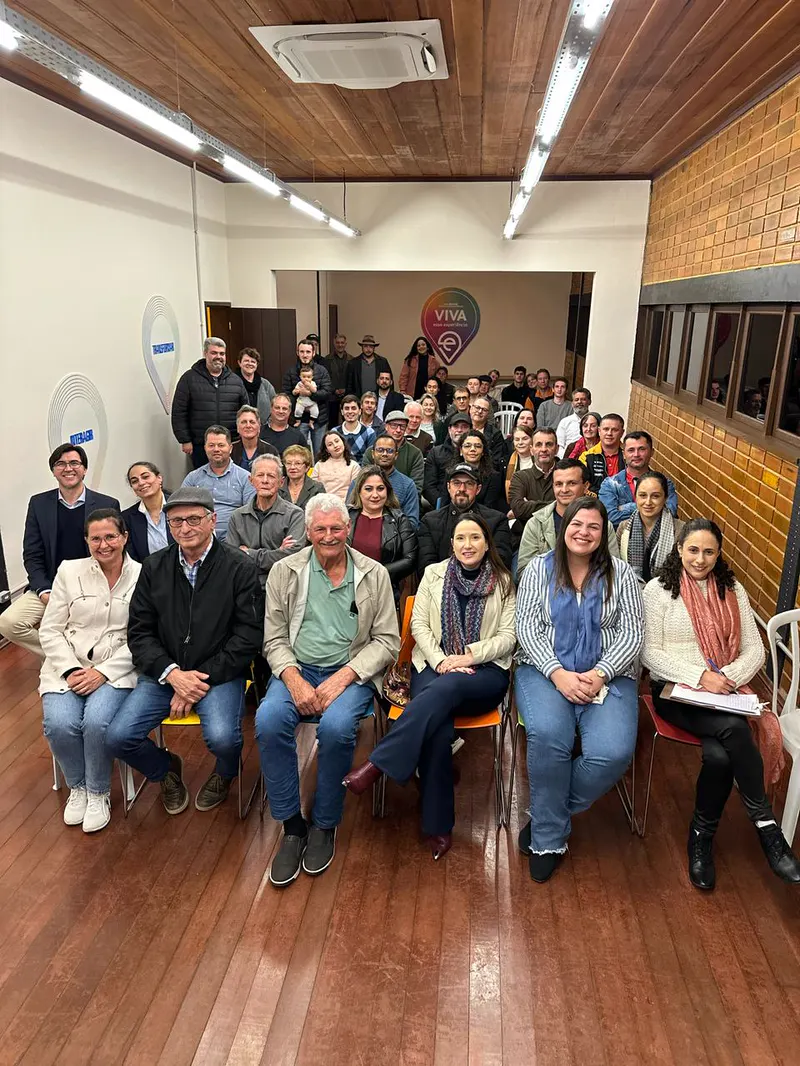
In governance, meetings of the Management Committee, public hearings and community gatherings were held, strengthening dialogue among residents, entrepreneurs and the public authorities. The project also created the Jornal Raízes de Pindobas, expanding communication with the community, and supported the formalization and legal recognition of the Tourism District in the Municipal Master Plan of Venda Nova do Imigrante.
In the market axis, the work focused on increasing the visibility and commercialization of the destination. Actions included participation in Festuris Gramado, the Feira de Inovação ESX, promotional activations at the Vale Agrícola Oficial, strategic consulting for the positioning of Casa Nostra, inclusion of the business on the Omnibees platform, press trips with digital influencers, development of promotional materials and support for the commercialization of the Expedição Montanhas Capixabas route.
In qualifying the tourism offer, consulting was developed to structure experiential tourism products, workshops and lectures focused on digital positioning, the creation of tourism products linked to rural tourism, leisure and ecotourism, and the development of educational activities at Casa Nostra. The project also supported initiatives such as the Transcapixaba Hike and Fly event, meetings on territorial development, sustainability and studies for the implementation of new tourism facilities in the region.
According to Andreia Rosa, project executive at the Montanhas Capixabas Convention & Visitors Bureau (ES), the construction of the Tourism District shows how collaborative planning strengthens territories and expands opportunities for the population.
“Beyond strengthening Pindobas, the initiative helps position the Montanhas Capixabas as one of Brazil's leading experiential tourism hubs, bringing together gastronomy, culture, nature and hospitality in an offer aligned with the new demands of the market.“
For Richard Alves, executive director of Lab Turismo Consultoria, the main differentiator was accompanying the entire process of transforming the territory.
“The recognition of Pindobas as a Tourism District is the result of continuous work in planning, mobilization and implementation. We work side by side with the community to turn potential into concrete actions, strengthening governance, qualifying tourism products and bringing the destination closer to the market. This is a model that can inspire many Brazilian territories.”
According to Leandro Carnielli, vice president of Institutional Relations of the Associação Montanhas Capixabas and representative of Fazenda Carnielli, the project strengthens the community's sense of belonging and opens new prospects for local economic development.
“Pindobas preserves a history built over generations. The Tourism District values this heritage and creates opportunities for entrepreneurs, rural producers and families who are part of this trajectory. Today, the territory is consolidating itself as a benchmark in agritourism in Espírito Santo and in Brazil, with direct impacts on the development of the destination.”
The experience will now serve as a reference for other municipalities interested in structuring tourism territories based on strategic planning, community participation and integrated management. More than a new destination, Pindobas consolidates a development model that shows how tourism can preserve identities, strengthen local economies and generate opportunities in a sustainable way.