
Pará Gastronomy at COP 30: Amazon Flavors Take the Spotlight in Belém

· Updated · 3 min read
Translated with AI assistance.Read the original in Portuguese
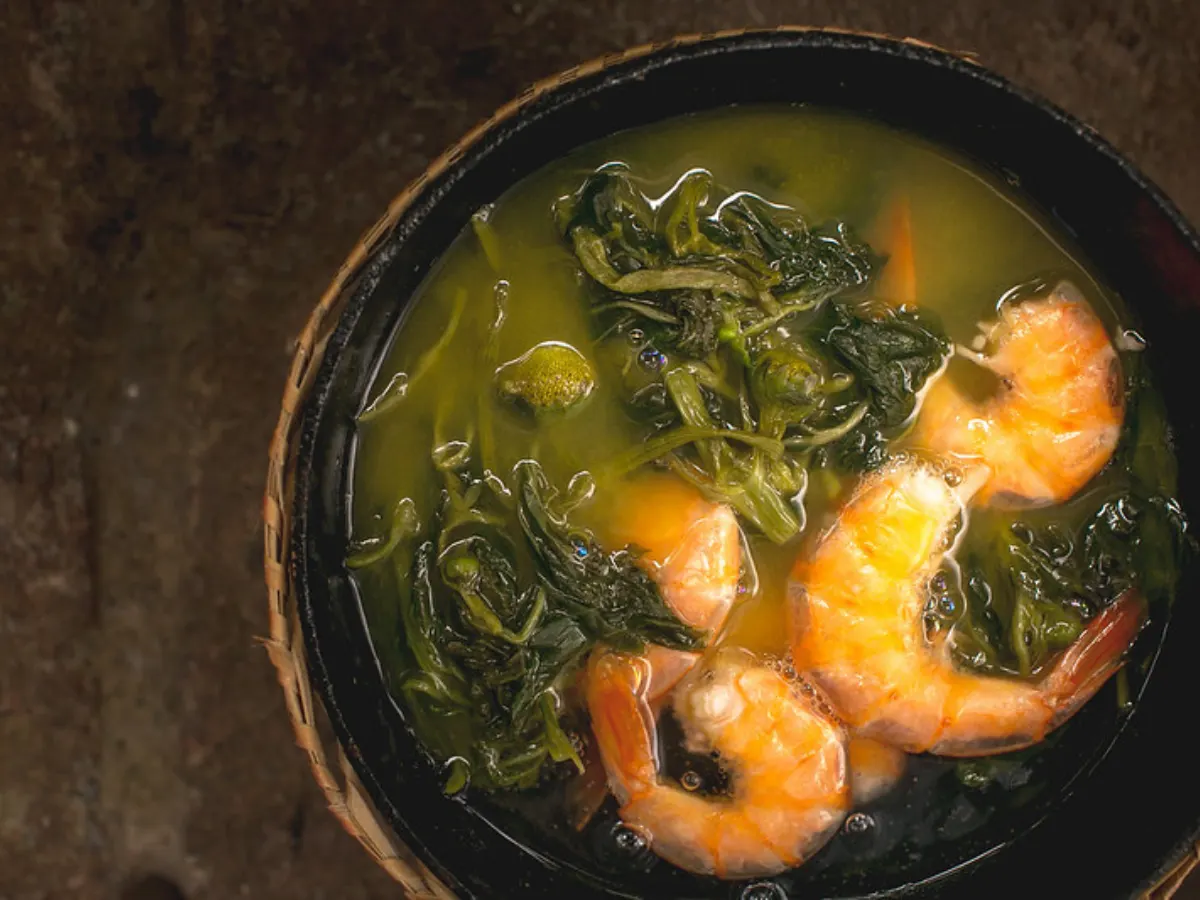
With ingredients that tell stories of ancestry and biodiversity, Pará is preparing to be much more than the host of the next UN Conference on climate change. As Belém becomes the center of global attention with COP 30, Amazon flavors take a prominent place, attracting visitors from Brazil and around the world with a cuisine that combines tradition, sustainability and innovation.
Pará's cuisine is built on roots — in both the literal and symbolic sense. From tucupi to jambu, from brazil nuts to açaí, every ingredient carries a geography, a way of life, a preparation time and ancestral wisdom. And it is precisely this deep connection with the land and its cycles that has sparked the curiosity of an audience seeking authentic and conscious experiences.
With support from Sebrae in Pará, local entrepreneurs are getting ready for this new stage, investing in multicultural training and in expanding menus that welcome everyone from vegetarians to travelers eager to try exotic delicacies from the forest. The expectation is that the region's gastronomy will establish itself as one of the major attractions of COP 30 — and beyond.
“The public that will come to Belém is attentive to the path of food, from origin to plate. Sustainability, inclusion and respect for local culture are mandatory ingredients,” explains Rubens Magno, chief executive director of Sebrae/PA.
Delicacies with identity — and stories to tell
Few dishes capture the soul of Pará as well as tacacá, a hot broth served with jambu, cassava starch gum and dried shrimp. At the Tacacá Raízes da Mandioca stall in Belém's historic center, the recipe has been passed down from generation to generation for more than six decades. According to the owner, Ivanete Pantoja, demand for the dish is expected to grow by up to 30% during the event. "It is a cultural heritage that now goes out into the world," she says.
Another icon of local cuisine is pato no tucupi, served with white rice and a sauce based on fermented cassava. Meanwhile, maniçoba, a dish made with wild cassava leaves cooked for days, offers a lesson in patience, technique and the oral transmission of knowledge.
There is also room for the curious and adventurous: turu, a native mollusk from Marajó Island, is the star of culinary experiences offered by operators such as Edgar Transporte & Turismo, which combine tasting with immersion in riverside communities.
The sensory journey does not end with savory dishes. Pará's markets — such as the traditional Ver-o-Peso — reveal jams, sweets and desserts made with açaí, cupuaçu, bacaba, muruci and Pará nut. In Santarém, the Amazoniere shop is winning over the palates of visitors and chefs with artisanal chocolates made from Amazonian ingredients.
More than a trend, Pará's gastronomy emerges as a tool of cultural diplomacy, capable of presenting to the world an Amazon that feeds on memory, nature and respect. During COP 30, tasting local flavors will also be an act of listening — to the territory, its traditions and possible futures.
Ver essa foto no Instagram