On São Paulo's Anniversary, Bunge Memory Center Recalls Facts and Brings Back Preserved Images of the Capital

By Julia Paiva
· Updated · 3 min read
Translated with AI assistance.Read the original in Portuguese
The Paulista Capital Turns 467 Next Monday, January 25
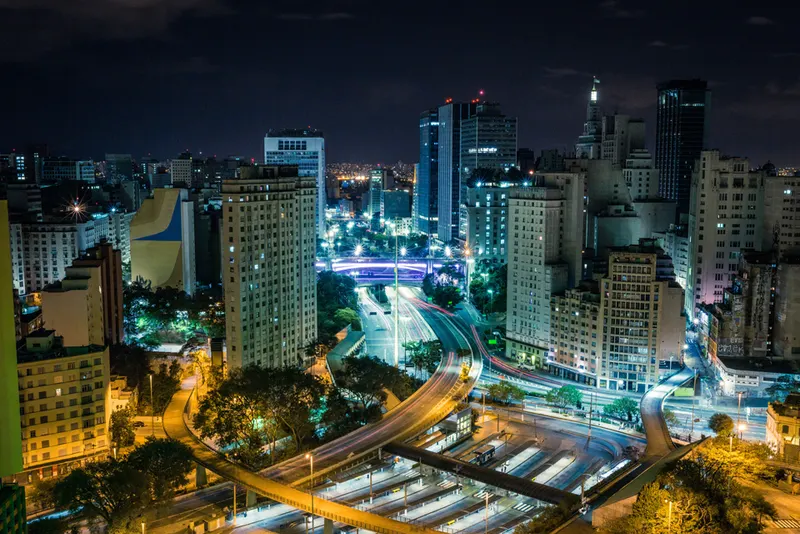
On next Monday, January 25, the city of São Paulo celebrates its 467th anniversary. The date was established to honor the founding of the Jesuit College in 1554, considered the city's Ground Zero.
In tribute to São Paulo, the Bunge Memory Center (CMB), one of Brazil's richest corporate memory collections, recalls images preserved in its holdings, which include more than 1.5 million photos, videos, documents and objects, that retell the history of the Paulista capital.
Cinema in São Paulo
At the beginning of the 20th century, films were screened outdoors, in so-called "street cinemas." In 1907, the first indoor theaters began to appear on avenues such as São João and Celso Garcia, as well as streets such as Augusta, Direita and São Bento, in the capital.
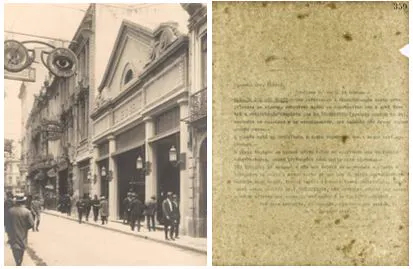
Upon arriving in Brazil, Bunge, an agribusiness and food company, also began bringing the seventh art to the people of São Paulo through Cine São Bento, a movie theater opened in 1927 in downtown São Paulo. The company, which was already beginning to diversify its businesses, also showed its commitment to promoting Brazilian cinema among its employees, providing moments of fun and leisure at its facilities and at events for their children and communities.
The CMB holds photos and a letter with details of the purchase and renovation of the mansion, signed by João Ugliengo, one of the best-known names in the São Paulo industrial sector and responsible for opening the cinema. Cine São Bento closed its doors in 1950, and from that period only the facade remains, listed as cultural heritage of the city.
Industrialization and Industrial Architecture
The history of São Paulo's development is intertwined with the decisions of the owners of large industries who, in the 20th century, arrived in the capital and established downtown as the administrative hub of their businesses, launching the urbanization of traditional neighborhoods such as Jaguaré, Belenzinho, Mooca, as well as Brooklin, Cambuci, Água Branca and Tatuapé, where textile factories were opened, pioneering Brazil's textile industry.
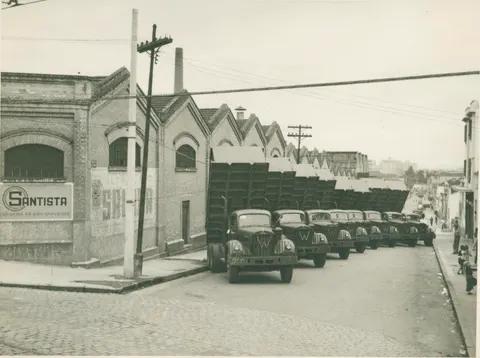
At the time, Barra Funda began to attract the interest of many companies, especially because of its location at the railway junction of the Sorocabana Railroad, which connected the capital to the interior, and São Paulo Railway, the first railway in the State of São Paulo. Moinho Santista, which produced cereals, and SANBRA, which manufactured cottonseed oil, were among the first industries to settle in the region. João Ugliengo, the main person behind Bunge's first investments in Brazil, was responsible for building spinning and weaving factories, oil plants, match factories, nail factories and other subsidiary establishments between 1905 and 1942. Industrialization absorbed immigrant and national workers and, until the mid-20th century, Barra Funda was known for its industrial villages. Today, the region is more residential and is in the sights of the real estate market.