
New Moment for Tourism: Local Tourism Is Among the Bets to Revive the Sector

By Julia Paiva
· Updated · 6 min read
Translated with AI assistance.Read the original in Portuguese
Sergio Tavares, of Rio EcoEsporte, talks about the tourism recovery and its outlook for the “new normal”
The resumption of economic activities has led to adaptation in every sector. And tourism is the one suffering the most. According to the Ministry of Tourism, before the pandemic, from January to December 2019, passenger arrivals at the country's airports grew 1.8% compared with the same period in 2018.
Still, there is no reason for discouragement. Many professionals believe that even with pent-up demand, the first to rebound will be local tourism. For Sergio Tavares, professor and businessman at the agency Rio Eco Esporte, which promotes sports, tourism and local ecotourism activities, the scenario can be positive, but it requires creativity and a new vision. He tells us more about his expectations. Follow along:
For Sergio, local tourism is already proving very strong. People want to get out, but they do not yet feel safe traveling long distances. As international tourism is currently unviable, he believes local tourism, within one's own city, is an alternative that can greatly help the return of tourism. “It is a wonderful solution, both for the sector and for the population,” he says.
The professional notes that the resumption of tourism has taken on a very special space at this moment, as it has acquired a therapeutic dimension. He believes it is a moment when people need to resume their social routines, their work lives and their leisure lives. And, since tourism is not an isolated subject, it has given the chance for this social and leisure side to happen, considering very careful aspects regarding the sanitary safety of leisure activities. “Tourism has gained a very important role. It can help in the process of organizing society based on parameters that, although very convenient on the side of playfulness and pleasure, allow many levels of control and provide considerable safety,” he says.
When asked about people's confidence in resuming tourism, he says he sees a return pattern of short trips. Especially since not every place is open yet. In his analysis, people have been going to places they feel familiar with, or places where they have reliable information, because information fluctuates and it is still not safe to go just anywhere. A suggestion from Sergio for this moment is to plan itineraries that can meet safety criteria and avoid information and sanitary risks.
Tavares says local tourism has been benefiting from the culture in which residents do not always know their own neighborhood, much less their city.
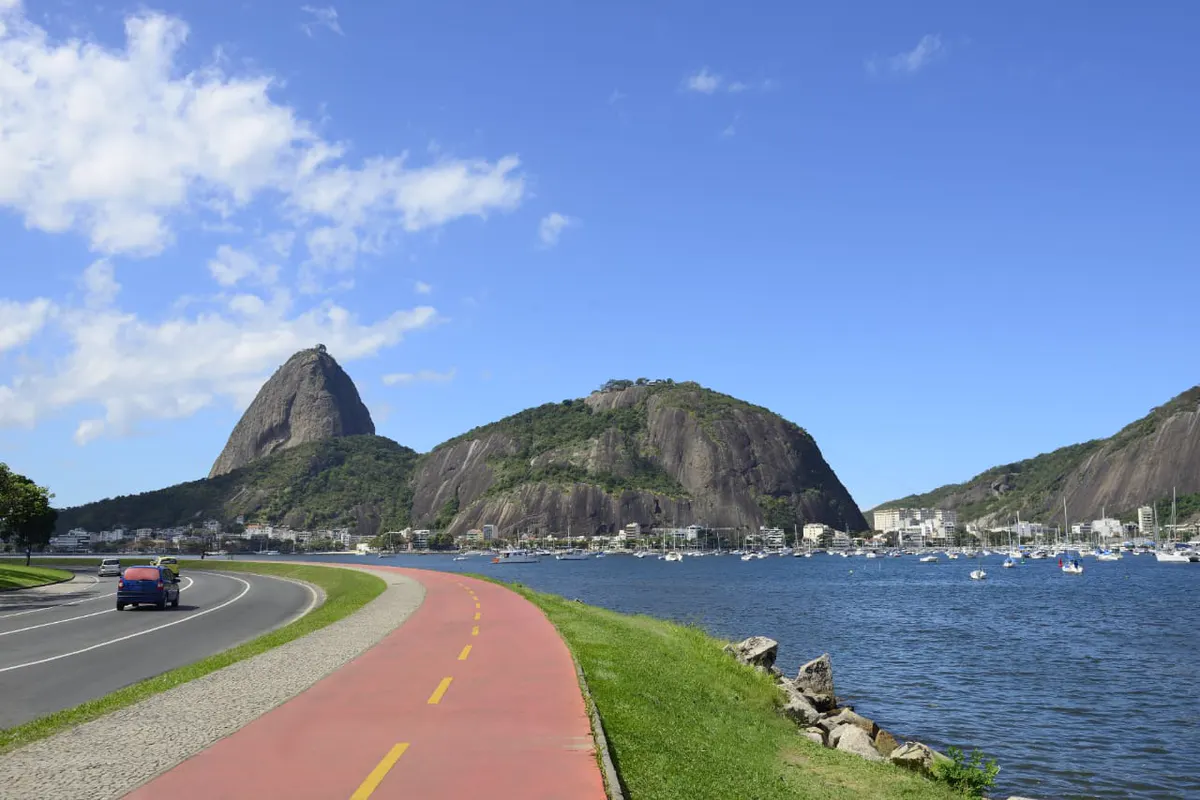
“It becomes very clear, when we take people around here in Rio de Janeiro, which is a very special city in this sense, because it has every alternative to explore people's pleasure of being within our space. There is a difference when we take a tourist to a lookout such as Pedra Bonita. It is interesting, they are moved by seeing a beautiful landscape they do not know. But when we take a carioca it is very moving. Because people are seeing their own neighborhood. They become attentive and recognize their place from an angle they did not know, seeing the boundaries of their city. So these are very intense experiences of related activities, but it is not the same thing. It is very important that the carioca takes advantage now to get to know their own city, the more than 70 beaches. The two largest urban forests on the planet. All the repertoire that Rio de Janeiro has to offer through contact with nature and cultural richness, which made not only the carioca, but the Brazilian, known around the whole world. It is time to approach your own identity calmly and safely.”
Sergio shares tips on less explored places to visit in Rio de Janeiro
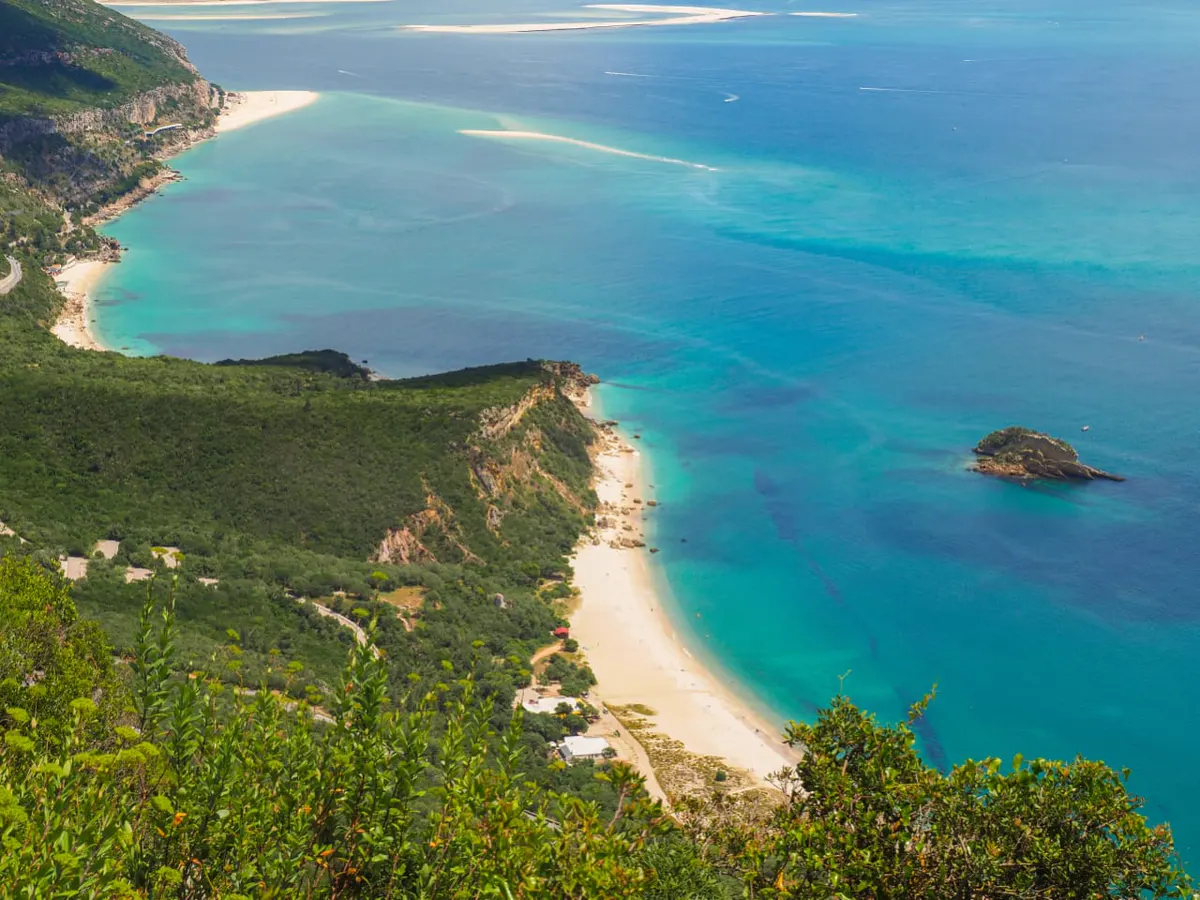
One tip is the wild beaches that are not yet well known. They are accessible by simple trails in the Guaratiba area. There is Praia do Perigoso, Praia dos Búzios and Praia do Inferno. Despite their emblematic names, these are calm beaches that still give us the chance to enjoy the trails that originate mainly in Barra de Guaratiba. Besides the wild beaches, Sergio recommends Grumari, Prainha, a sanctuary of the city of Rio, in an environmental protection area, and Praia da Reserva, which has the same characteristics and is even closer to urban centers.
For those who prefer mountains, the Pedra Branca Park is still very little known by cariocas. The waterfall trail located in the area of the Astrogilda Cafundá Quilombo. On site, another great attraction is the regional restaurant “Tô na Boa”, with typical, good-quality food.
Pedra Bonita, as mentioned earlier, is for him an unmissable attraction. It gives you a 360-degree view of Rio.
Pandemic may contribute to ecotourism
And, if we must extract something good from everything that happens to us, even amid all the difficulties the pandemic presents, Sergio understands that it is a window of opportunity. After all, everyone needs to return to their relationship with the outside environment, with care. And natural scenarios, less modified, are the safest. “The pandemic brought us the opportunity to remember how often we are distant from important things, especially for those who live in a city like Rio. We can see how the fauna is reacting, fish and birds approaching places they no longer frequented. We believed jaguars were extinct within cities, and we had an unexpected record of a puma in Pedra Branca Park,” he says.
For Rio Ecoesporte, a company managed by Sergio, they are focused on the segments they already worked in, related to hotels, ecotourism programming, cultural tourism, and the novelty is park management. Already in operation, where Fazenda Alegria used to operate, in Vargem Pequena, they created a partnership to organize Rio Eco Parque. In Espaço da Reserva (between Barra and Recreio), where the Local restaurant used to operate and today there is a ferry terminal, they are organizing a socio-environmental activities club, which aims to be a place to gather with friends and family, and also to host environmentalists for constructive practices alongside nature, and the lagoon complex. The site will also offer some nautical and sports leisure alternatives. And the beaches project, with Rio Ecotreino, which is a way of doing physical activities on the beach, as a safe place for this return, functioning as an outdoor gym that is being expanded for society, which wants to resume activities safely and pleasantly, because for Sergio it is necessary to return, but in a safe way.
The entrepreneur concludes by saying he is very hopeful for a return to normal, in a high season, since tourism work is seasonal.
“The pandemic has brought demands arising from people's need for external contact. We need municipal, state and federal authorities to be attentive to stimulating everything that can allow this reorganization, both regarding specific legislation and oversight of excesses, and encouraging companies that want to progress with socio-environmental responsibility. We need the support of government bodies so that we can make this sector produce what it needs to produce in Rio de Janeiro,” he concludes.