
Netflix Series Puts Turkish Cities on the Brazilian Traveler's Radar

By Nadine Alves
· Updated · 3 min read
Translated with AI assistance.Read the original in Portuguese
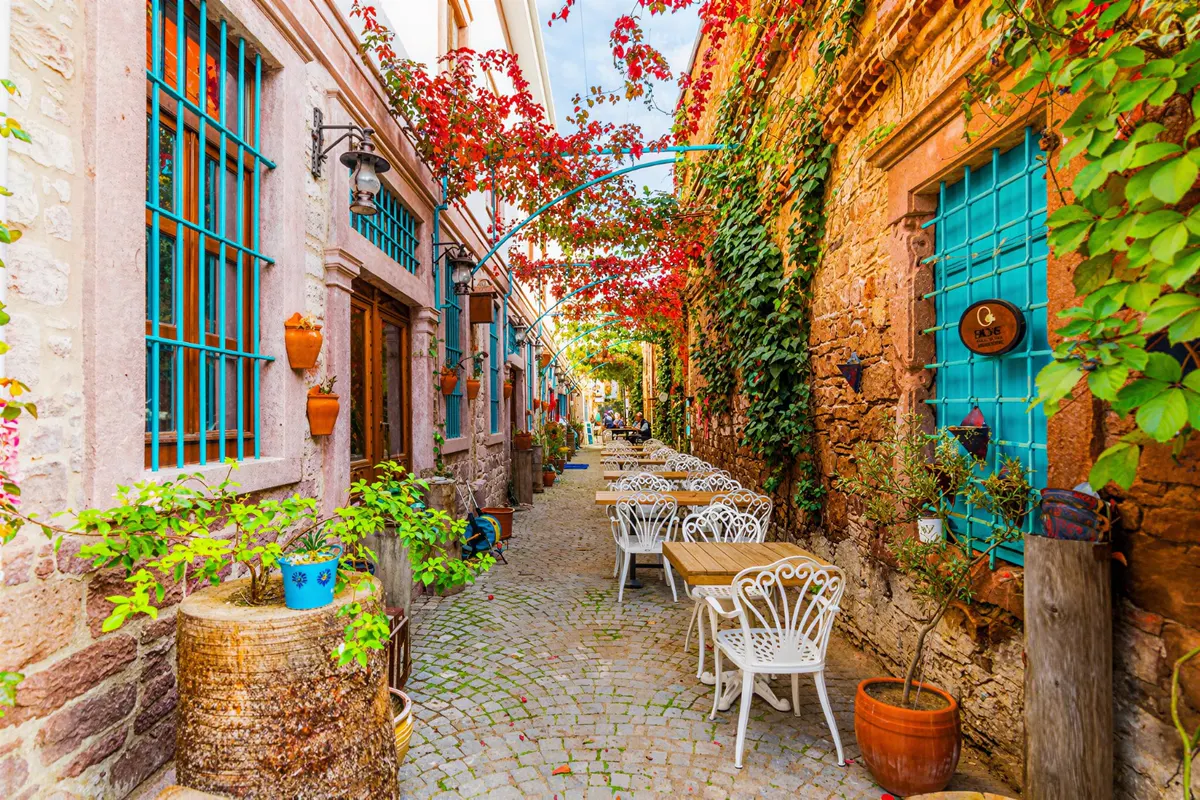
Ayvalik (Photo Adobe Stock)
The buzz around Zeytin Ağacı, a Turkish Netflix production known in Brazil as Uma Nova Mulher, is starting to shift the map of Brazilian travelers' interest in Turkey. Ayvalık and Cunda, on the Aegean Sea coast and key settings of the series, have begun appearing among the questions from Brazilians who once focused on destinations such as Istanbul, Cappadocia and Ephesus.
The change was noticed by Dorak Latin, the Latin American market arm of Dorak Tour. According to Jessica Camargo, the company's Business Development Director, inquiries now include questions about where Ayvalık is located, how to get to Cunda and whether it is possible to visit the olive groves shown in the production.
One of the questions received sums up this new interest: "Can we visit the olive groves we saw in the series?" For Jessica, the question showed that the production had moved beyond entertainment and was beginning to influence travel planning.
Dorak Latin's response was to turn this demand into a new travel proposal. The company created the itinerary "Zeytin Ağacı'nın İzinde," or "Following in the Footsteps of Zeytin Ağacı," connecting Istanbul to Ayvalık and Cunda.
From the screen to the itinerary
The trip begins in Istanbul, passing through points such as the Bosphorus, Balat, Sultanahmet, Topkapı Palace and the Grand Bazaar. It then continues to Ayvalık and Cunda, where the itinerary incorporates the settings that gained visibility through the series and other characteristic elements of the region.
In Cunda, visits are planned to the stone streets, historic houses and Taş Kahve, a location associated with the production. In Ayvalık, the experience focuses on olive groves, olive oil producers and Aegean gastronomy.
The itinerary also includes yoga and breathing exercises at sunrise among olive trees, village visits, olive harvesting, tastings of traditional products and boat trips around Cunda.
The program ends with a sunset gathering at an Aegean cove, accompanied by live Turkish music and local cuisine. The experience incorporates themes present in Zeytin Ağacı, such as friendship, bonds and new beginnings.
For Jessica Camargo, part of the Brazilian identification with the production is precisely related to these elements.
"In Brazilian life, family and friendship ties are also very strong. Eating together, being at the table with many people, spending time with friends and experiencing emotions openly are part of our everyday life. The series shows a lot of that," she says.
According to the executive, the combination of these themes with the Aegean landscapes helps explain the interest the region has generated.
A new gateway to discovering Turkey
Ayvalık and Cunda occupy a different position within Turkey's traditional tourism product offered to the Brazilian market. While Istanbul concentrates historical and cultural landmarks, and Cappadocia has established itself through its landscape and unique experiences, Ayvalık and Cunda offer a combination of coastline, olive groves, gastronomy, historic architecture and local life.
"When people talk about Turkey in Brazil, Istanbul and Cappadocia are very strong destinations. Ephesus is also well known. Ayvalık and Cunda show a different Turkey," Jessica says.
Dorak Latin's proposal is not to replace the destinations most sought after by Brazilians, but to expand the itinerary with a region that has gained new recognition among the public through audiovisual production.
Jessica also highlights that this phenomenon is part of a broader movement. Turkish productions have been gaining ground in Latin America and often spark interest in the cities, establishments and landscapes that appear in their stories.
In the case of Zeytin Ağacı, the buzz created a specific opportunity for Ayvalık and Cunda. Based on the questions received from travelers, Dorak Latin structured an experience that combines the locations associated with the series with activities focused on the culture and everyday life of the region.
The movement shows how audiovisual content can work as a gateway to destinations that did not previously hold a significant place in the planning of certain markets. For Ayvalık and Cunda, the series helped introduce the territory to a new audience. For the travel trade, the challenge now is to turn the familiarity created on screen into an experience capable of sustaining interest in the trip.