
Mixed-Use Urbanism Puts Santa Catarina on the Smart City Map

· Updated · 4 min read
Translated with AI assistance.Read the original in Portuguese
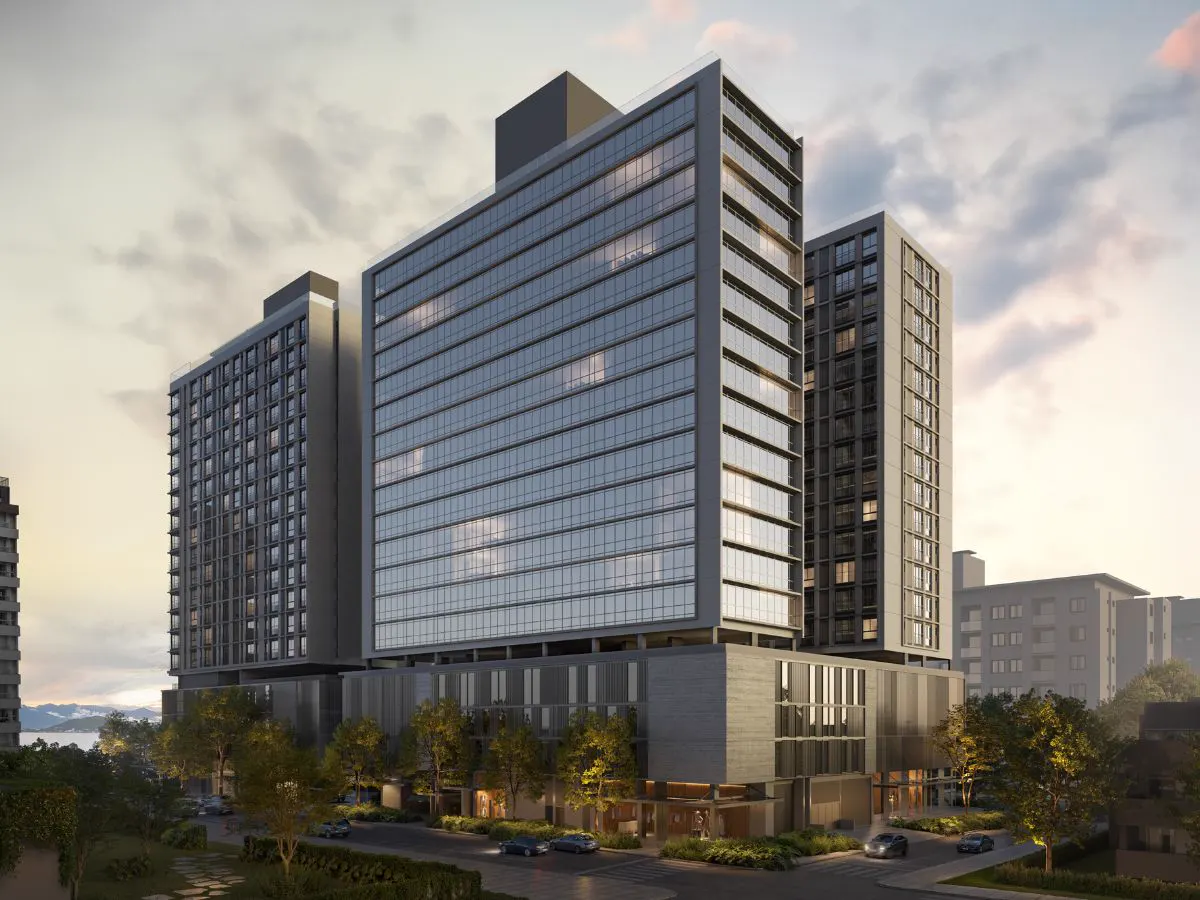
The concept of mixed-use developments — which bring together housing, work, leisure and services at a single address — is gaining momentum in the world's leading metropolises and, increasingly, finding room in Brazil. Considered part of a new vision of sustainable urbanism, these projects have become a strategic response for cities facing challenges of mobility, quality of life and sustainability.
From New York to Singapore, multi-use complexes are already a structuring part of urban life. Landmarks such as Hudson Yards (New York), The Shard (London) and Marina Bay Sands (Singapore) show how the integration of uses can transform not only the skyline but also the social and economic dynamics of cities.
In Brazil, the movement is intensifying with projects such as Cidade Matarazzo (SP), Parque da Cidade (SP), Porto Maravilha (RJ), as well as initiatives in Santa Catarina, such as Cidade Pedra Branca (Palhoça), WOA SKY (São José) and VivaPark (Porto Belo). These developments indicate that multi-use urbanism has ceased to be an exception and has become a trend in different regions of the country.
Research reinforces the relevance of this model. According to CBRE (Coldwell Banker Richard Ellis), mixed-use developments can generate up to 30% more real estate appreciation compared with traditional projects. The Knight Frank Global Cities Report, meanwhile, points out that seven in every ten large recent launches in global metropolises adopt the multi-use format.
For CBRE's director of leasing and research, Felipe Giuliano, the return to in-person work and the country's low unemployment rate have fueled the office market and, as a consequence, people want to live close to work, sparking desire to acquire residential projects. "The market ends up creating residences near offices for executives and their families to live in," says Giuliano.
The NordLB report (Spring 2025) also shows that mixed-use projects — combining offices, retail and residences — have grown, whether in new developments or in the conversion of existing buildings.
The concept also connects with the so-called "15-minute city," where all essential services are accessible within short distances, reducing travel and enhancing quality of life. In Brazil, this movement finds support in consumer behavior: research by Brain Inteligência Estratégica (2024) shows that more than 60% of Brazilians in urban areas prioritize convenience and quality of life when choosing where to live.
Santa Catarina on the radar
Santa Catarina is beginning to appear on this map of urban innovation with large-scale projects. One of the most recent highlights is WOA SKY São José, under construction in Greater Florianópolis. With more than 75 thousand m² of integrated area, the development will feature residences, offices, retail and leisure in a single complex, aligned with the premises of connectivity and sustainability.
"More than a development, WOA SKY São José is part of a larger movement of urban transformation. We are talking about cities that seek to be smarter, more sustainable and more human. It is in this context that multi-use complexes are consolidating themselves as protagonists of the future," says Patrícia Hartmann, commercial manager at WOA.
Specialists point out that this type of initiative repositions entire regions by creating urban hubs capable of attracting investment, stimulating smart mobility and offering new possibilities for community life. For Marcus Araújo, founder of Datastore and a reference in real estate market intelligence, the future of the sector lies not in the size of units or the number of bedrooms, but in the capacity to give meaning and purpose to the space inhabited. "Property is no longer just about square footage. Today, what matters is identity, the integration of environments and the flexibility to meet new family and professional dynamics," he analyzes. And further: "This pursuit of convenience and quality time explains the growing interest in multi-use developments, which bring together housing, work, leisure and services at a single address. They embody, in practice, the new urban lifestyle," Araújo concludes.
A new urban lifestyle
More than an architectural trend, multi-use spaces represent a cultural shift: less time in traffic and more time for personal relationships, culture and leisure.
"The audience for multi-use developments is diverse and expanding. On one side, executives and high-income families seek convenience and quality of life by reducing travel. On the other, investors and real estate funds see in these projects assets with high appreciation and resilience. Millennials and Gen Z, in turn, find in integrated complexes the embodiment of a vibrant and sustainable urban lifestyle. In addition, companies and entrepreneurs benefit from the ecosystem created, which turns buildings into true hubs of innovation and community," explains Hartmann.
Instead of long daily commutes, residents of a multi-use complex find within their immediate surroundings every dimension of urban life — from work to shopping, from health care to entertainment. This model, already well established in global metropolises, is also beginning to transform the reality of Brazilian cities, especially along corridors where urbanism, technology and sustainability move together. "Multi-use developments represent a natural evolution of the real estate sector. They offer not only convenience, but also solidity in terms of investment and sustainable urban development," concludes Patrícia Hartmann.