
International Events in São Paulo Boost the Alcoholic Beverage Market and Generate Business in Brazil and Abroad

By Nadine Alves
· Updated · 10 min read
Translated with AI assistance.Read the original in Portuguese
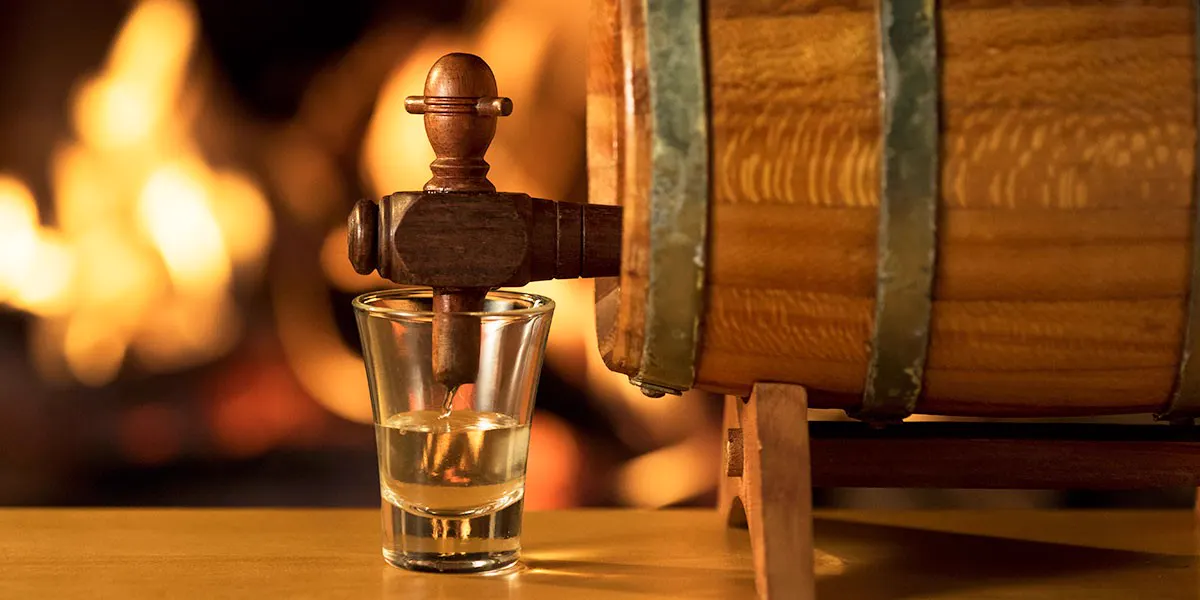
Wine Trade Fair and Cachaça Trade Fair at Anhembi are exclusively B2B and include a Congress with representatives of trade associations and Itamaraty to promote both sectors
From September 17 to 19, the capital of São Paulo hosts the third edition of two important international trade fairs to boost business in the alcoholic beverage market: Wine Trade Fair and Cachaça Trade Fair. They are held exclusively for B2B, with exhibitors and visitors who work directly in areas linked to the production chains of these segments.
A meeting focused on promoting business, to drive sales, generate more jobs and expand the possibilities for negotiations from end to end.
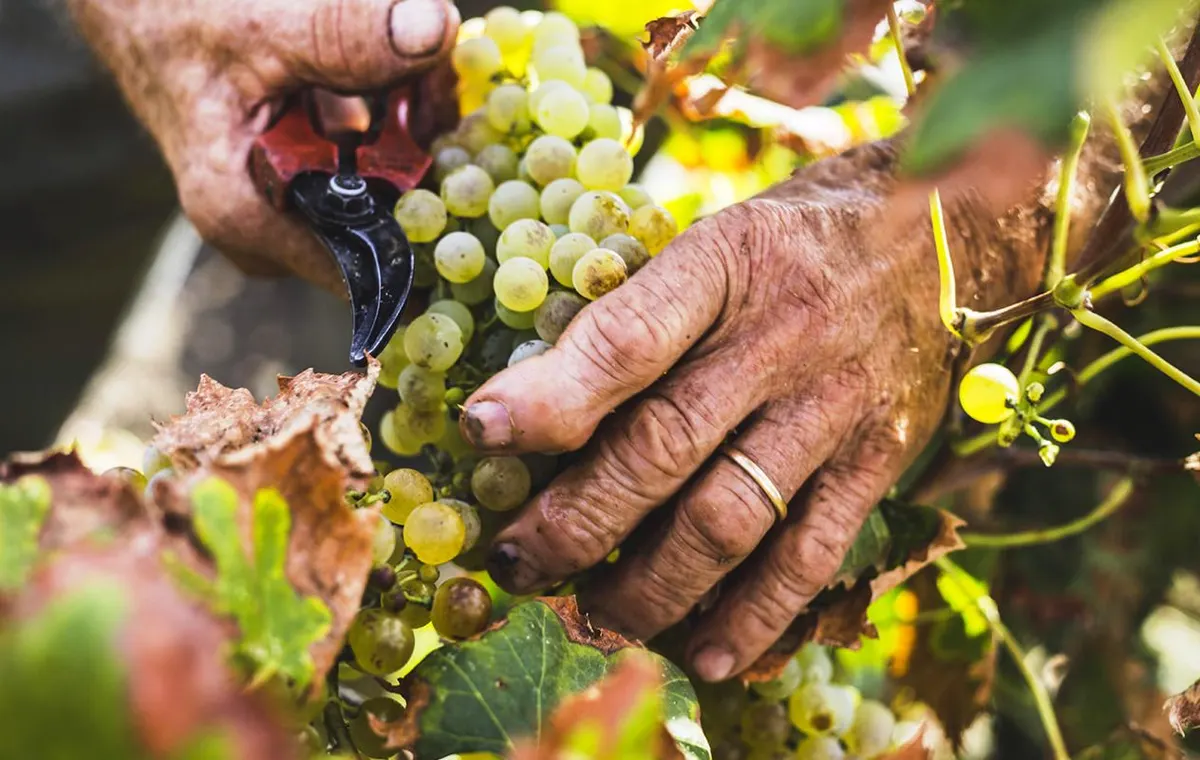
Zoraida Lobato, the event organizer, stresses that expectations for the wine sector in 2019 are for growth. “The estimated increase is between 10% and 15%, compared with the same period of the previous year,” she adds. And the cachaça segment is no different, with so many recent openings for exports and imports, the sector is very heated and optimistic.
Also regarding figures for the segments, the organization of the Wine Trade Fair and Cachaça Trade Fair estimates that the wine industry in the country employs more than 200 thousand people and moves about R$ 9 billion a year. There are more than 1.1 thousand wineries from the South to the Northeast of the country, 90% of them micro and small businesses.
In addition to Rio Grande do Sul, which accounts for about 90% of wine production in Brazil, and Santa Catarina, other states have stood out in the production of wine products. Paraná, in the South region; São Paulo, Espírito Santo and Minas Gerais, in the Southeast region; Bahia and Pernambuco, in the Northeast; plus Goiás and Mato Grosso, in the Center-West.
Cachaça has, year after year, been demonstrating its importance in the national economic scenario and is also crossing borders. “We have great national producers winning gold medals at important international competitions in the country and abroad, which has been encouraging exports to China, Portugal and even Turkey,” says Zoraida.
In addition to the opportunity for networking and negotiations, the Wine Tradee Cachaça Trade Fairincludes an International Congress on Cachaça and Wine –Cicavi-, whose scientific committee includes doctors and researchers from the Agência Paulista de Tecnologia dos Agronegócios (APTA). In lectures, they cover everything from technical aspects to political and commercial issues, in order to address everything from agriculture to the commercialization of cachaça.
What does the visitor find at the Wine Trade Fair?
The wine Habla del Mar, brought by the importer Hispania, is submerged in the sea for five months at a temperature of 8ºC, in a kind of underwater cellar, in the Bahía de San Jean de Luz, in France. The wine undergoes a second fermentation, which rejuvenates the drink and offers a range of saline, seaweed notes and balanced acidity. The work is carried out by a team of divers who control the entire process. It is made from a blend of white grapes of Atlantic origin.
Through the importer Weinkeller, which specializes in biodynamic wines, are the wineries:
–Schloss Wachenheim, located in the Pfalz region and known as the “palace of German sparkling wines,” where its oenologists have been cultivating high-quality sparkling wines for more than 125 years.
–Weingut Heinz Pfaffmann, which has been producing wines since 1616 – it is now in the 17th generation of winemakers in the same family, preserving the tradition and know-how of 400 years of oenology.
-Weingut Thomas Rüb, located in the Rheinhessen region, is in the fifth generation of the same family. The producer is considered a rarity in Germany, for having specialized in red grapes, from the traditional Dornfelder to the famous Merlot, impressing with its quality.
–Cantine Di Tufo, a wine producer in the Campania DOCG denomination.
–Il Iv Miglio, founded in 2004, known for its historic vineyards, called Campi Flegrei, lands where wine has been cultivated for three thousand years.
–Cantina Di Ortona, a cooperative of wine producers (Cantina Sociale) founded in 1960 in the Abruzzo region (Abruzzi).
–Cantine Europa, a cooperative of wine producers (Cantina Sociale), founded in 1962 in Petrosino. It is the world’s leading producer of the Grillo grape, a white grape of enormous potential. It vinifies the white grapes Grillo, Zibibbo and Catarrato Lucido, all grapes of local origin. Among the reds, it favors Nero d’Avola, the main Sicilian red grape, Perricone and Syrah.
An iconic country in the wine sector could not be left out. Representing tradition is Ciclon, launching for the national market, such as Bleu de Mer, a Rosé wine originating from one of the most renowned producers in the world, Bernard Magrez.
In addition to the countries mentioned, the event receives exhibitors from Argentina and Chile.
Brazil:
São Paulo region:
–Vinícola Góes, with fine wines produced in São Paulo soil. Some labels have won awards at important national and international competitions, others have already won over the palates not only of paulistas, but of all of Brazil.
–Vinícola Bella Aurora: founded in the 1920s in São Roque, it maintains its family tradition in production to this day.
In addition to Vinícola XI Novembro and Quinta de São Roque, which will be at the fair.
-From the Southern regions of Brazil, recognized in the national market for large productions, come wines from Lidio Carraro, Miolo, Gran Legado, Don Guerino, Buenos Wines, Ventura and Torcello, brought by the importer Alvino Expert. And Vinícola Fin, which is supported by Sebrae-RS.
-Northeast region, with leading wineries such as Rio Sol, belonging to the Portuguese group Global Wines, which manages several wineries in Portugal.
One more good ethanol dose at the Cachaça Trade Fair
In the cachaça segment, visitors find distilleries from various regions of the country. Among them are producers from Minas Gerais, Rio de Janeiro, Rio Grande do Norte and São Paulo, for example.
–Samanaú, a cachaça produced in Caicó, in the Seridó region of Rio Grande do Norte, recognized worldwide as one of the best in the aged category. Currently, at Alambique Samanaú, production reaches about 80 thousand liters of the drink per year.
–Cachaça da Quinta, produced in the municipality of Carmo, in the mountainous region of the state of Rio de Janeiro, Fazenda da Quinta emerged in 1923 and in 2009 achieved a prominent position in the best stores, restaurants and bars and in the preference of customers and specialists in the capitals of Rio de Janeiro and São Paulo, and began exporting to demanding markets such as the United States, Taiwan, England and France.
–Cachaça Margô, produced in the city of Sales de Oliveira, in the Alta Mogiana region of the state of São Paulo – known for making award-winning cachaças – is made at the Jatobá distillery, under the most rigorous quality standards. The drink is aged in American oak barrels for two years and has been winning respected awards in the country, with international recognition.
–Cachaça do Coronel, from Minas Gerais, produced in Taquaraçu de Minas, at Alambique do Coronel, where artisanal cachaça is now produced on a commercial scale.
–Cachaça Bento Albino, from Maquiné, and Velho Alambique, from Santa Tereza, are at the event with the support of Sebrae-RS.
–Cachaça Ouro 1, drinks awarded with gold medals abroad. Versions of cachaças aged in oak casks for three years – the Ouro 1 Velha; the Cachaça Ouro 1 Branca, rested for months in stainless steel tanks. Cachaça Ouro 1 Vida, a mixed drink of cachaça, natural honey and lemon extracts. Cachaça Ouro Mineiro, aged in Umburana casks for two and a half years. Cachaça Ouro 1 Especial, aged in European and American oak casks for eight years.
CICAVI
The Cicavi -International Congress on Cachaça and Wine- has among its premises promoting the competitiveness of these beverages in domestic and foreign markets, as well as providing greater sustainability to the agents involved.
“We have brought together a team of masters, doctors, engineers, among other specialists from all over Brazil that make the event a unique opportunity for professional development and networking,” adds Zoraida Lobato.
There are three days of congress, covering topics ranging from the quality and variety of raw materials to development strategies, commercialization and tourism.
On September 17, from 6 PM to 8 PM, Cicavi holds a “round table” with the participation of authorities to discuss expectations regarding the elimination of taxation in the wine and sparkling wine segment, as well as the new challenges for the entire cachaça production chain.
Confirmed names include: from Itamaraty, Camila Silva Leão d’ Araújo Olsen, head of the Agribusiness Promotion Division II – Ministry of Foreign Affairs; Carlos Lima, executive director of IBRAC -Brazilian Cachaça Institute-; Carlos Paviani, executive director of IBRAVIN -Brazilian Wine Institute-; the Italian deputy and president of SPVINHO, Fausto Longo; the president of Ravin Importadora, Rogério D’Ávila, and the president of Vinícola Góes and mayor of São Roque, Claudio Góes. The moderation will be handled by journalist Eduardo Viotti, with other great names alongside him in the debate, such as journalist Eduardo Russo.
Testimonials and exhibitor expectations
“Taking part in a B2B event is very important, because we reinforce our brand and do business with new establishments,” says Luciano Lopreto, commercial director of Vinícola Góes.
“We are a distributor of Brazilian wines and have the far from obvious mission of selling Brazilian wine to Brazilians! We are at the fair with wines from the Lidio Carraro winery, from the Boutique Torcello winery, among others. We work with more than 100 labels.” Sylvia Begliomini, commercial director of Alvino Expert Vinhos Brasileiros.
“The fair is extremely important for the sector, so that the public can get closer to suppliers and discover new ones. At our booth, visitors will find a new line of imported wines, with all the elegance of the wines of the South of France.” Eduardo Joe Kakiuchi, director of Ciclon Brasil.
“The Wine Trade Fair is an excellent platform for exposure to potential On Trade customers and also offers opportunities for the foreign market, in addition to receiving visits from agents from other states, whether buyers or distributors. At this event we seek to establish contacts for future transactions.” Haroldo Narciso, CEO Mastar Blender of Famigerada Cachaça.
“Our expectations for the fair are the best possible, both for new business and for consolidating our brand, which is growing day after day. We are presenting an award-winning extra Premium cachaça, with a modern packaging proposal to suit any type of public!” Kátia Ribeiro, Administrative Supervisor of Cachaça Dom Cabral.
“The fair is an important marketing tool because it is specific to the cachaça segment. At the event, visitors can get to know and taste MusA Aguardente de Banana Ouro, which won a gold medal at the 17th Concurso de Vinhos e Destilados do Brasil.” Antonio Carlos Ferreira, managing partner of MusA Agroindustrial and Maykon Pereira, representative of MusA.
“The Fair comes to add value to the beverage sector, especially to cachaça, which was seen as a low-quality drink, but today, with events of this scale, the concept has been elevated to a cult drink, without social barriers and of great quality. The visitor finds quality, flavor and gourmet plurality in the use of cachaça.” Nery Cristofer Silva, Cachaça Engenho do Coronel.
“We are usually very concerned with production and quality, and selling is a difficult activity, often unfamiliar to producers. That is why the fair shortens this path and brings producers closer to buyers. Our highlight is Cachaça Margô Premium, winner of a Silver medal at the national spirits competition of Brazil.” Aluizio B. Margarinho, partner of Cachaça Margô.
“Our expectation is to do good business and expand into this region of the country, where we still have modest trade. Our novelty is the new presentation of our labels and packaging, as well as our Carvalho, award-winning at Expominas 2019.” Adeylza Matos, Cachaça Paramirim.