
Holambra Carnival Features Flower Floats with Rose and Ice Cream Giveaways

By Nadine Alves
· 4 min read
Translated with AI assistance.Read the original in Portuguese
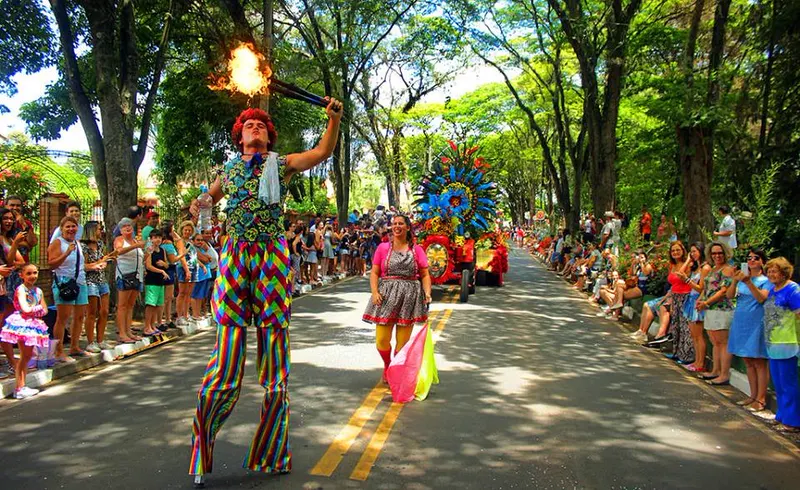
A former Dutch colony located 40 kilometers from Campinas and 140 from the state capital of São Paulo, Holambra hosts a very different parade on Tuesday, the 25th, which draws about 10 thousand tourists a year to the small town of just 15 thousand residents.
There are Dutch people in the samba. To find them, just follow the floats decorated with flowers, whose parade takes place on Carnival Tuesday (the 25th) at 2 p.m. on Alameda Maurício de Nassau in Holambra, a former colony located 140 km from the state capital of São Paulo that today accounts for half of the country's flower trade. The town of 15 thousand residents is expected to receive 10 thousand tourists during Carnival.
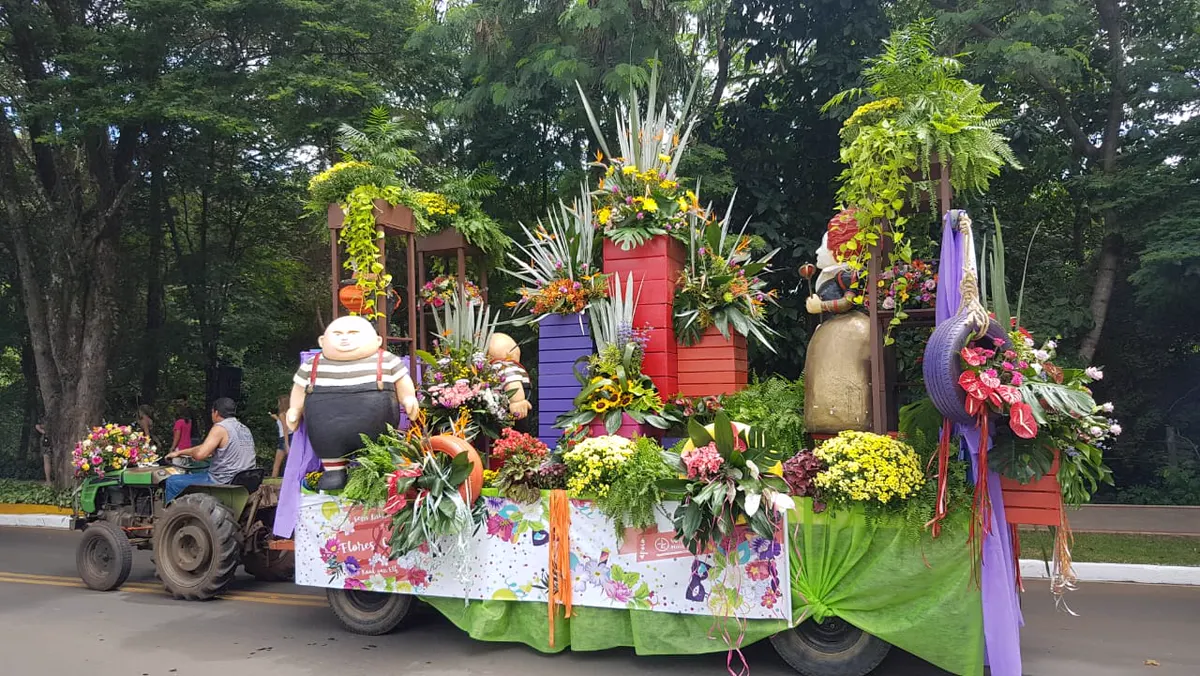
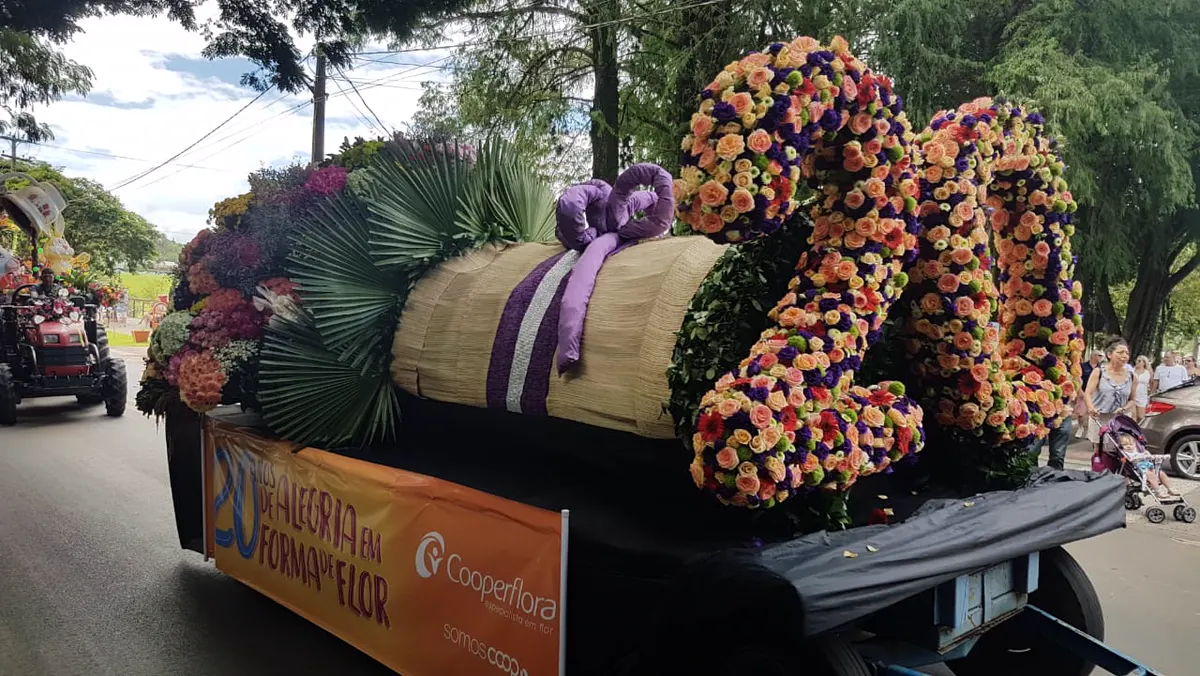
Twelve thousand stems and 20 thousand pots of flowers and ornamental plants will be donated by the Cooperativa Veiling Holambra and Cooperflora to decorate five floats. Naturally, since the town is agricultural, they will be pulled by tractors. Residents and merchants organize themselves into blocos (groups) – about 30 of them – which bring fun themes and costumes, revealed only at the time of registration, which takes place one hour before the parade begins. The judges are chosen at random from the audience so that there is no favoritism.

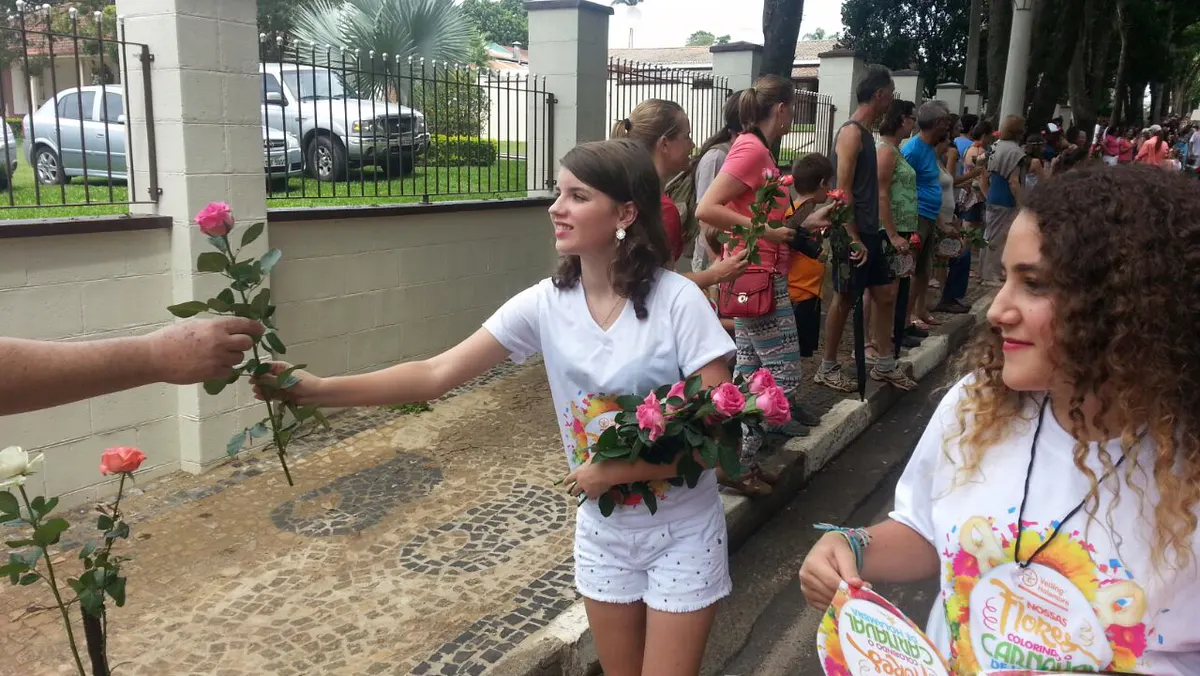
The Parade of Flowers and Colors also features a live band playing Carnival marchinhas, stilt walkers, fire breathers, and the distribution of flowers, popsicles, and traditional Dutch cookies to the public. The procession gathers at 1 p.m. at Praça dos Pioneiros and continues along Alameda Maurício de Nassau to the administrative headquarters of Expoflora, where it enters the grounds of Clube Fazenda Ribeirão and disperses on the soccer field.
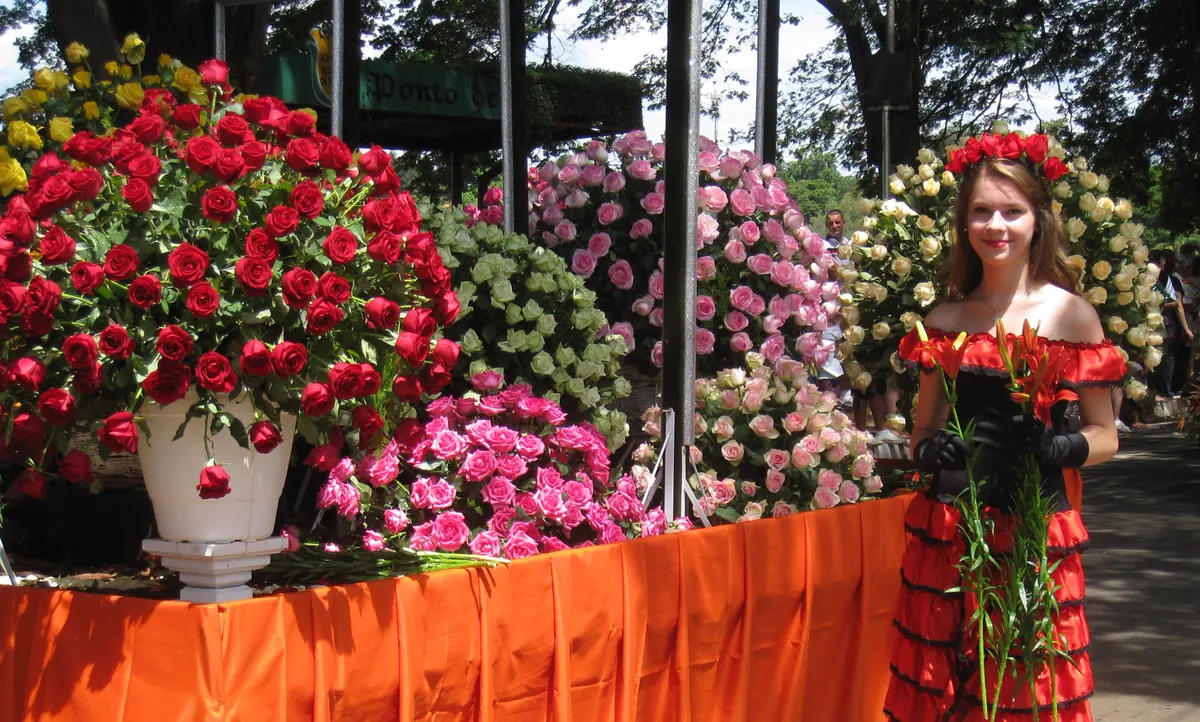
Volunteer-run organization
The Carnival of Flowers is organized in Holambra by volunteers from the Raad van Elf (Group of Eleven), who set aside their professional work to organize the parade. Among them are a flower producer (Geraldo Barendse), farmers (Richard Van Den Broek, Junior Granchelli and Mariella Schut), an agronomist (Carlo de Block), businesspeople (Joanes Eltink and Paco van der Louw), a landscaper (Yuri Graat), a dentist (Celso Quiles), a physical education teacher (Daniela Fonseca) and a consultant (Aryan Schut). The atmosphere is very familiar.
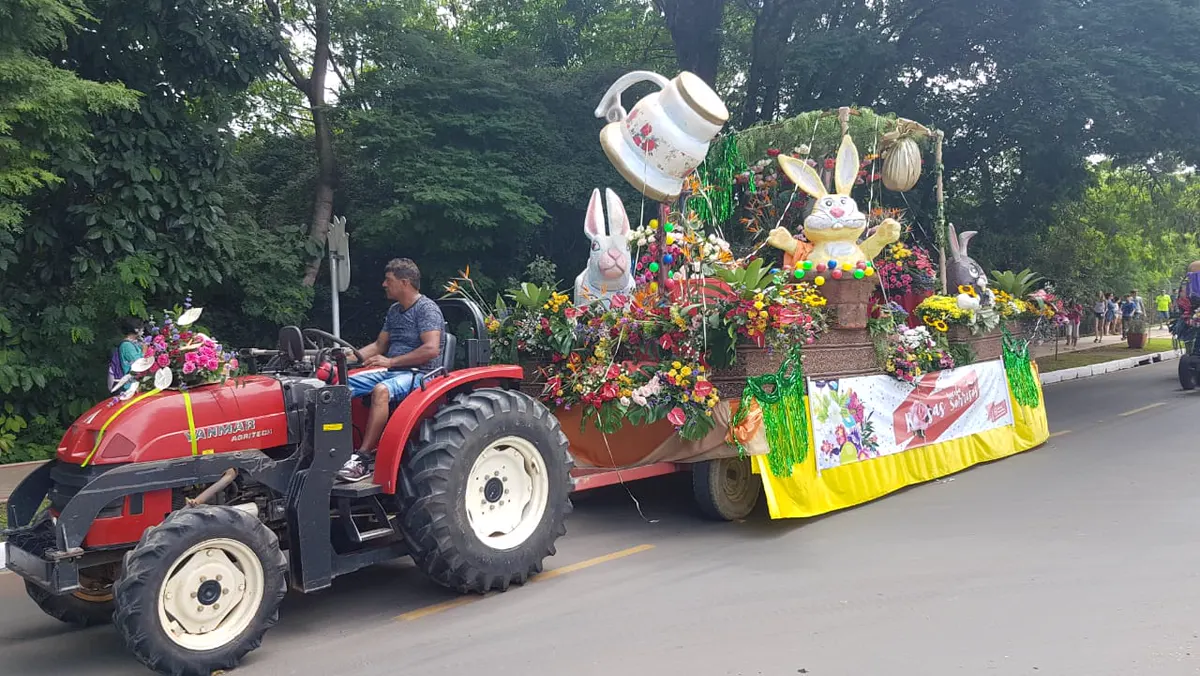
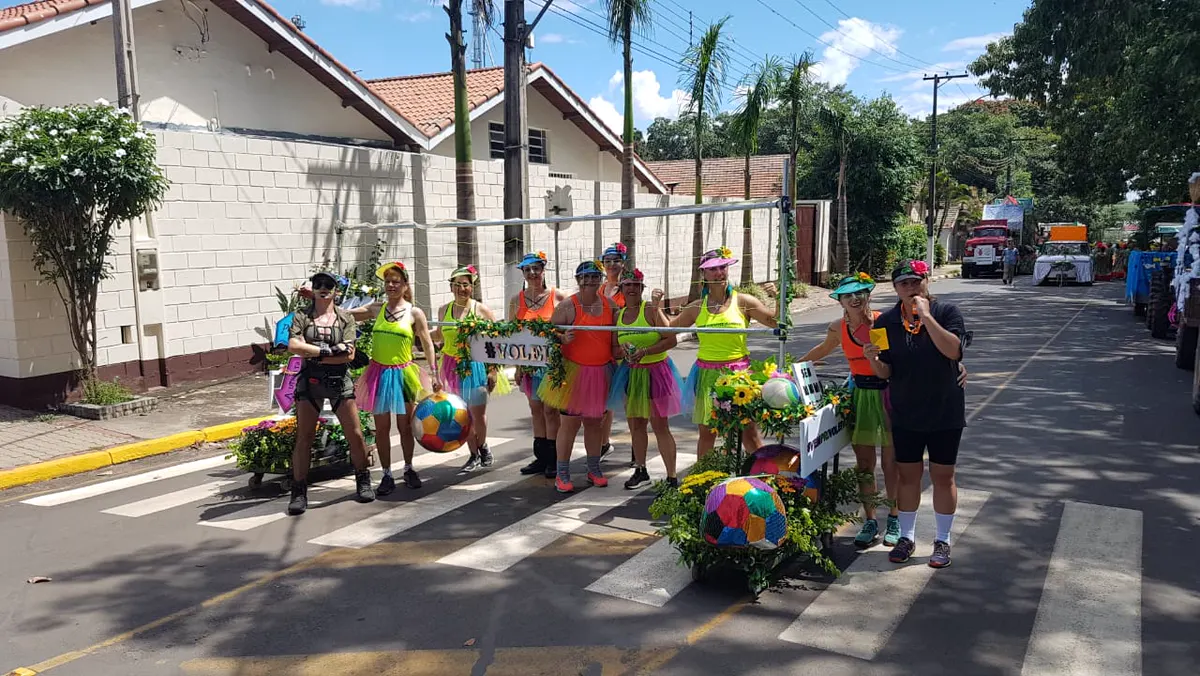
The decoration of the floats is also done by dozens of volunteers, residents of Holambra, under the coordination of floral artist Jan Willen, responsible for the Floral Arrangement Exhibition at Expoflora. The trucks are already being assembled at the Expoflora Park, but the flowers – because they are perishable – will only be placed on Monday.
According to Geraldo Barendse, of the “Grupo dos Onze”, the fun is not knowing what to expect from the blocos, which always bring current or protest themes. “Since there is no advance registration, every year is a surprise,” he comments.

Carnival in the Netherlands
The Netherlands does have Carnival, but with its own peculiarities. Because the north of the country is more Protestant, only the south – which is mostly Catholic – celebrates the occasion. The cities where Carnival is most lively are Tilburg, Den Bosch, Breda, Eindhoven and Maastricht. The pre-Carnival season begins in mid-November – with the selection of the Prince and the Council of Eleven (Raad van Elf), and, in some places, the Ladies-in-Waiting (hofdames) – and only ends in February, around the same time as in Brazil.
During this period, the Carnival Prince receives the key to the city and rules it in place of the mayor. The name of the city and its flag are changed. Tilburg becomes Kruikenstad, Den Bosch becomes Oeteldonk and Eindhoven becomes Lampegat, for example. The Carnival Prince is accompanied by the Council of Eleven (Raad van Elf) and, in some places, by the Ladies-in-Waiting (hofdames). There is no public holiday, but schools sometimes suspend classes so everyone can enjoy Carnival.
Brass bands also accompany the Prince, his court and procession, playing marchinhas and other cheerful music of different styles through the streets, entering bars to attract revelers. Costumes are essential. However, since it is winter, with temperatures around 3 degrees Celsius, they are very elaborate or funny and complemented with hats, socks and gloves. Heavy makeup is part of the costumes.
Service
Carnival in Holambra – Float parade
Date: February 25, Tuesday
Time: 2 p.m.
Location: Gathering at 1 p.m. at Praça dos Pioneiros, when block registration will take place.
Check out more stories from Mídiaturis:
http://www.midiaturis.com.br/circuito-airbnb-no-carnaval-de-salvador/
Follow MídiaTuris on social media:
Twitter: https://twitter.com/MidiaTuris
Instagram: http:// https://instagram.com/midia.turis