
Have you tried Vinho Verde?

By Julia Paiva
· 3 min read
Translated with AI assistance.Read the original in Portuguese
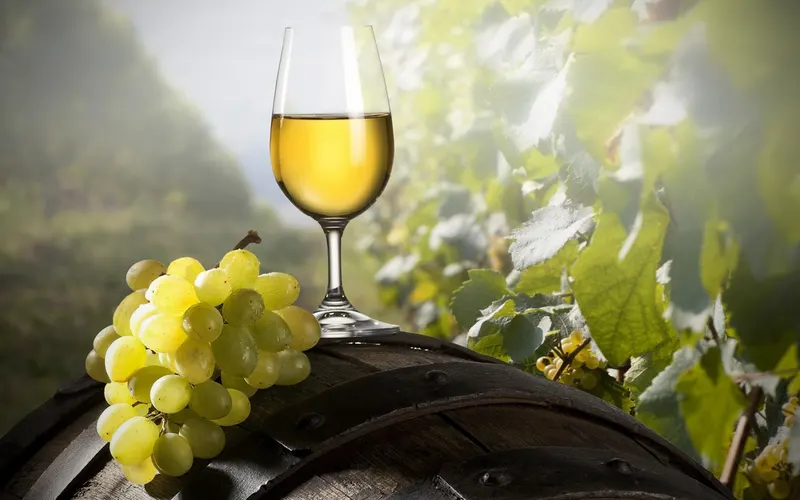
Considered the new sensation in winemaking, the darlings of Europe are gaining strength in Brazil and can already be easily found in the country
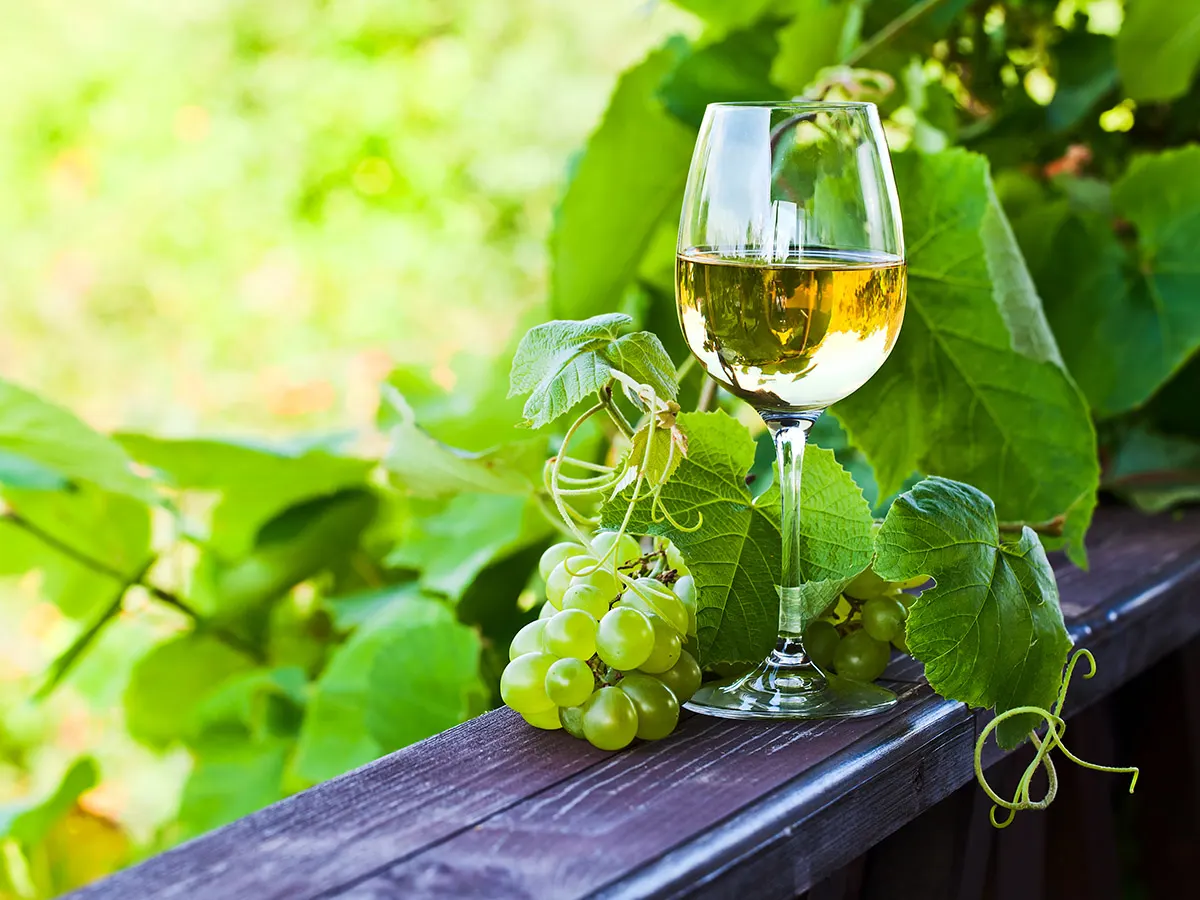
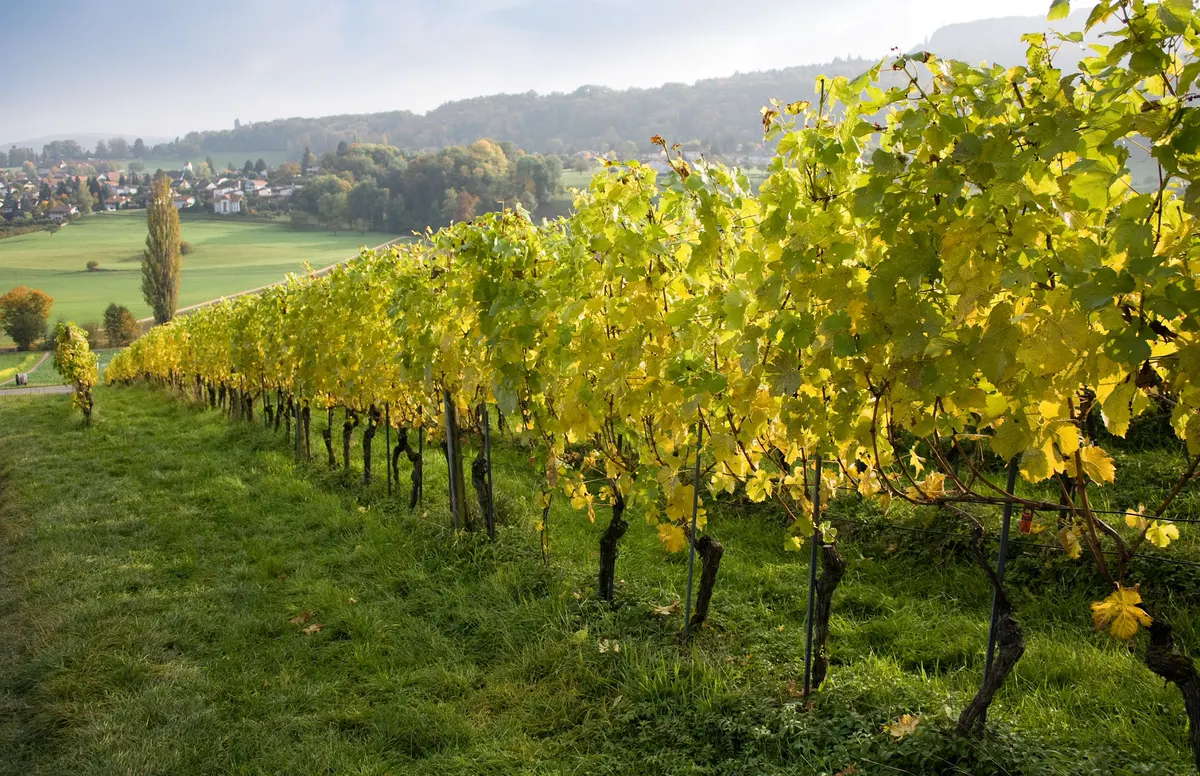
Do you know what Vinho Verde? No? Then relax, your days without tasting this marvel are numbered, since the drink – which is all the rage among Europeans – has everything it takes to win over the hearts of Brazilians. Located in the Northwest of Portugal, the Região dos Vinhos Verdes (Vinhos Verdes Region) is considered one of the largest and oldest wine regions in the world. It supports thousands of producers, making wines under the Vinho Verde designation of origin, considered unique in the world.
A sensation in the 1970s and still considered synonymous with Portuguese wine, Vinho Verde has regained the attention of wine lovers, has developed and is gaining strength especially on hot days, accompanying light meals. The term Vinho Verde refers to the natural characteristics of the region that produces it, densely green, but also to the wine's own profile, which, due to its freshness, aroma and lightness, plus its low alcohol content, is called “green” in allusion to its youth, lightness and in contrast to other more complex and full-bodied wines. Therefore, there are options of white, rosé, red and even sparkling Vinhos Verdes.
An option for every occasion
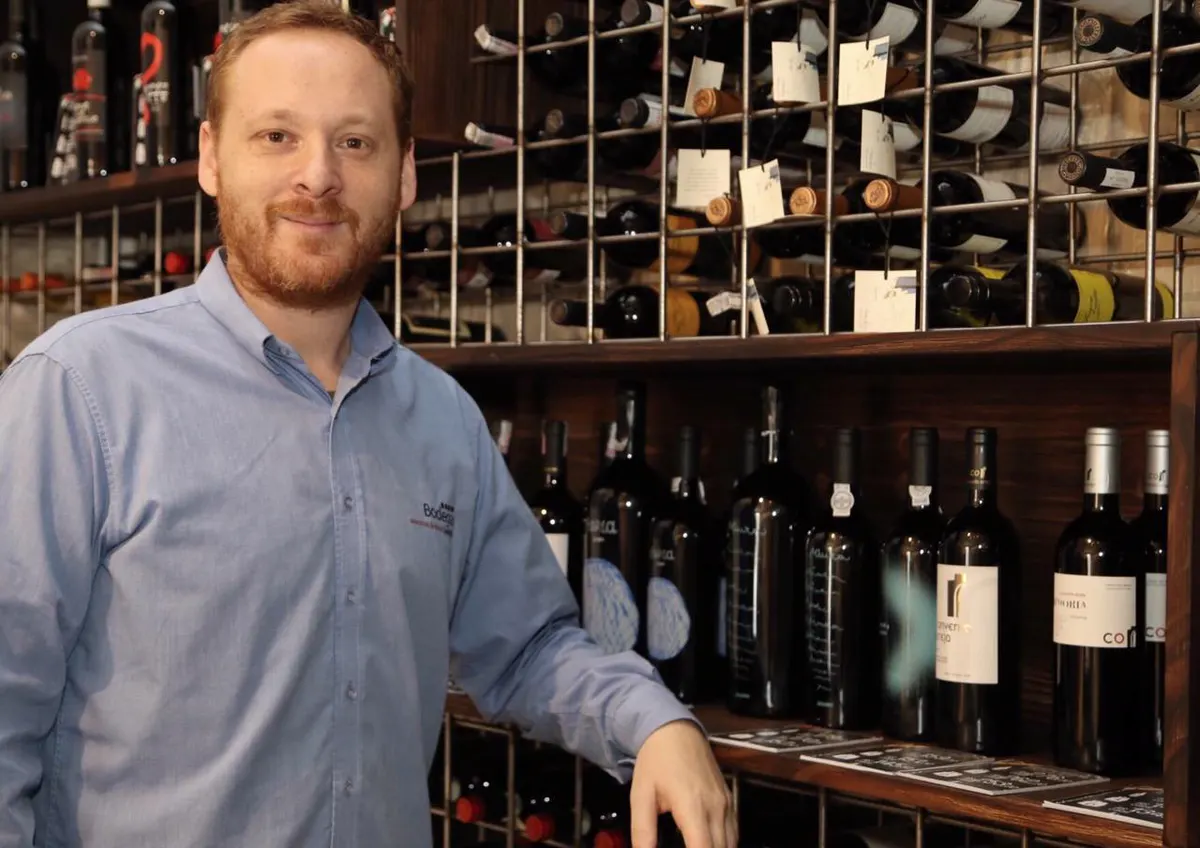
With so many curiosities about the drink, the specialist Abel Blumenkrantz, executive at Garage Vinhos, explains the main characteristics of Vinhos Verdes and recommends the drink for those seeking relaxed moments and a healthy lifestyle. “We are dealing with a young wine, and the name also refers to its maturity. It is ready for consumption without having gone through periods of maturation. Unlike traditional wines, which tend to have a lower acidity level, Vinho Verde becomes unique precisely for this reason, along with its striking freshness,” he comments.
For the specialist, another major differentiator of Vinhos Verdes lies in their versatility in food pairings. “Vinho Verde is extremely versatile and has few calories. It is ideal to accompany salads, shellfish, fish, poultry and Oriental cuisine. Pair it flawlessly with baked mussels, fresh mushroom salad, smoked salmon, grilled dorado, baked sea bass, grilled octopus, duck breast and sushi,” the specialist suggests.
With consumption growing in Brazil, Vinhos Verdes can already be easily found on the shelves of supermarkets and wine shops. According to Abel Blumenkrantz, the Costa do Sol wine (suggested price R$ 39.90) is a great option for those who want to discover the main characteristics of the style. “With aromas of fruit and a citrus touch, this wine has a light, fruity palate. Easy to drink and pair, perfect for relaxing moments, such as at the beach or by the pool, this label is produced in the Denominação de Origem Controlada Vinho Verde, in Portugal. With a style that expresses the typicity of the terroir, Costa do Sol is a great option for the hottest days of the year,” he concludes.
*Information provided by the Press Office