
Grape Route: authentic rural tourism just outside the São Paulo capital

· 4 min read
Translated with AI assistance.Read the original in Portuguese
In less than an hour from downtown São Paulo, you reach Jundiaí, specifically the neighborhoods of Caxambu, Toca, Colônia and Roseira, which make up the tourist circuit called Rota da Uva.
With strong Italian influence, the region is a mix of scents, flavors and landscapes. You can go from a fully urban setting to an agricultural region in under 10 minutes.
“Today, the children or grandchildren of those who arrived in Brazil still try to keep the traditions learned from their parents and grandparents, turning Jundiaí into a large, gastronomically rich tourist complex,” explains Paulo Brunholi, president of the Rota da Uva Association. “The purpose of the tour is to showcase local culture and try to preserve the traditions and history of Italian immigration in the city,” he says.
The Rota da Uva has existed for two years and is made up of more than 27 establishments, such as farms, restaurants and shops. To explore it, visitors can go on their own or take a guided tour with the friendly Mary Bueno, the Association’s coordinator.
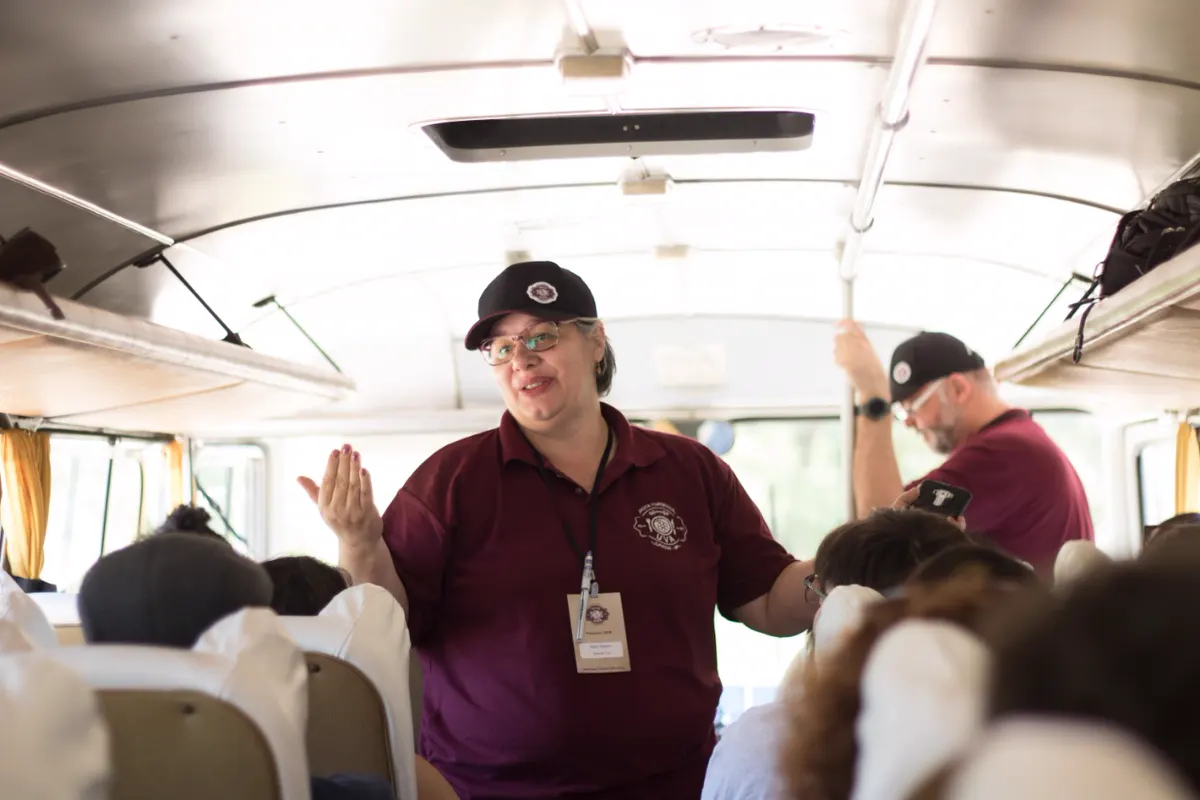
These guided tours take place on the first, third and fourth Saturdays of every month, departing from the Jundiaí railway station around 10:30 a.m. and costing R$25.
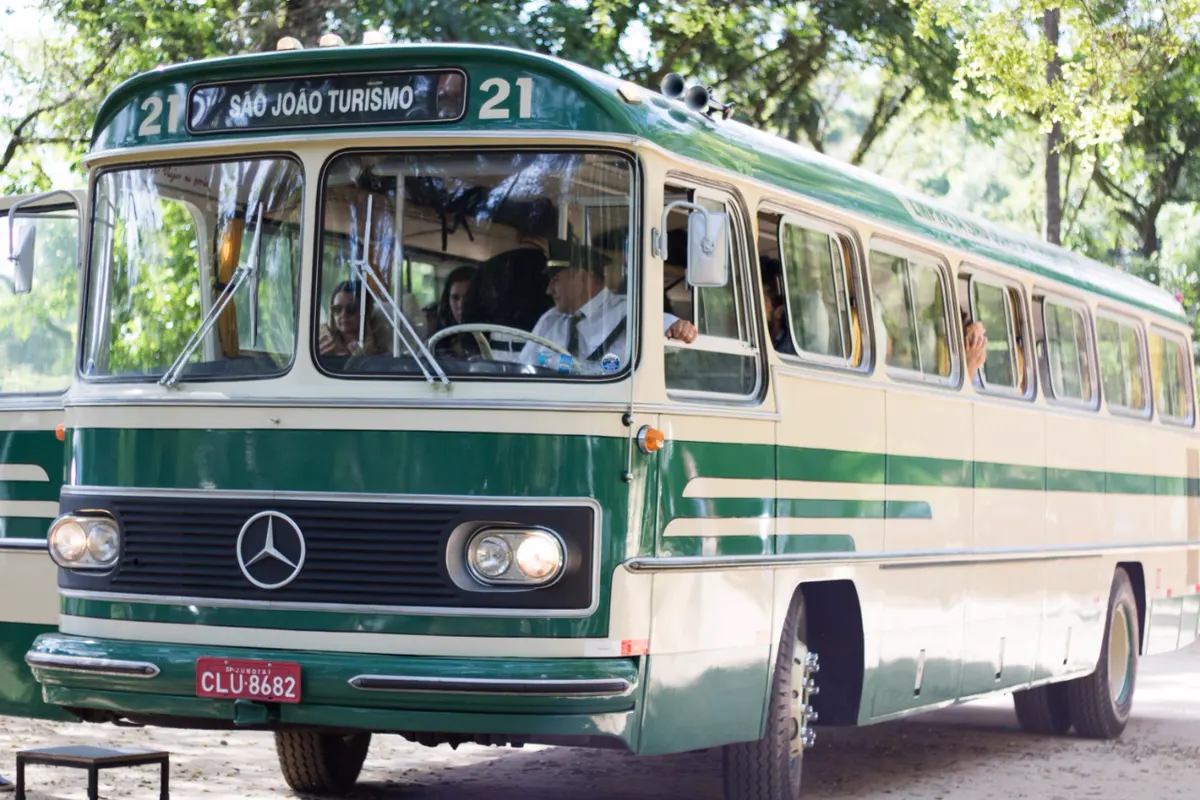
Since it is not possible to visit all the participating stops of the route, whether in one day or over a weekend, here is our list of suggested places:
Beraldo di Cale
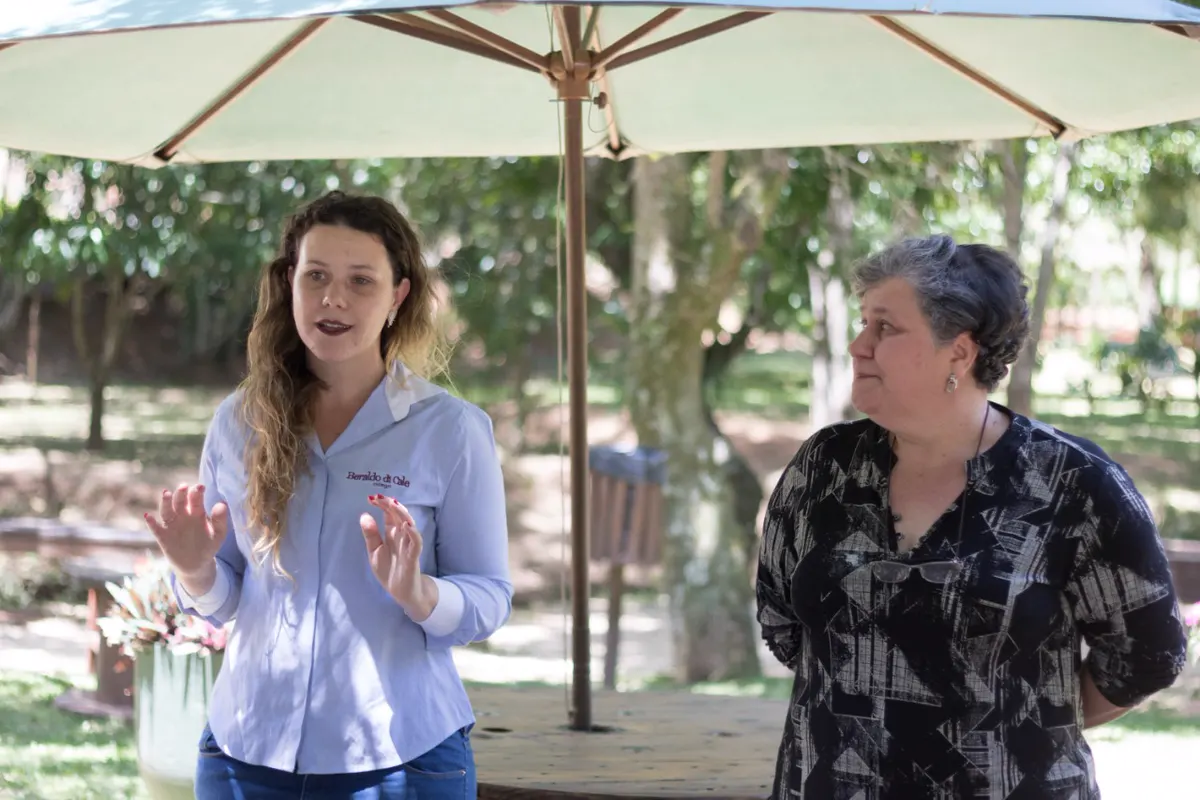
There are 10 restaurants where tourists can visit and indulge in plenty of abundance, and we mean plenty. For lunch, the Adega e Restaurante Beraldo di Cale is our suggestion, where you can taste the house wine, enjoy authentic Italian fresh pasta and also make the most of the setting, which is simply wonderful. Before lunch, we suggest sipping the Mexeriquinha, the house cachaça with a light flavor of the fruit that gives it its name, to whet your appetite.
Vendinha do Alto
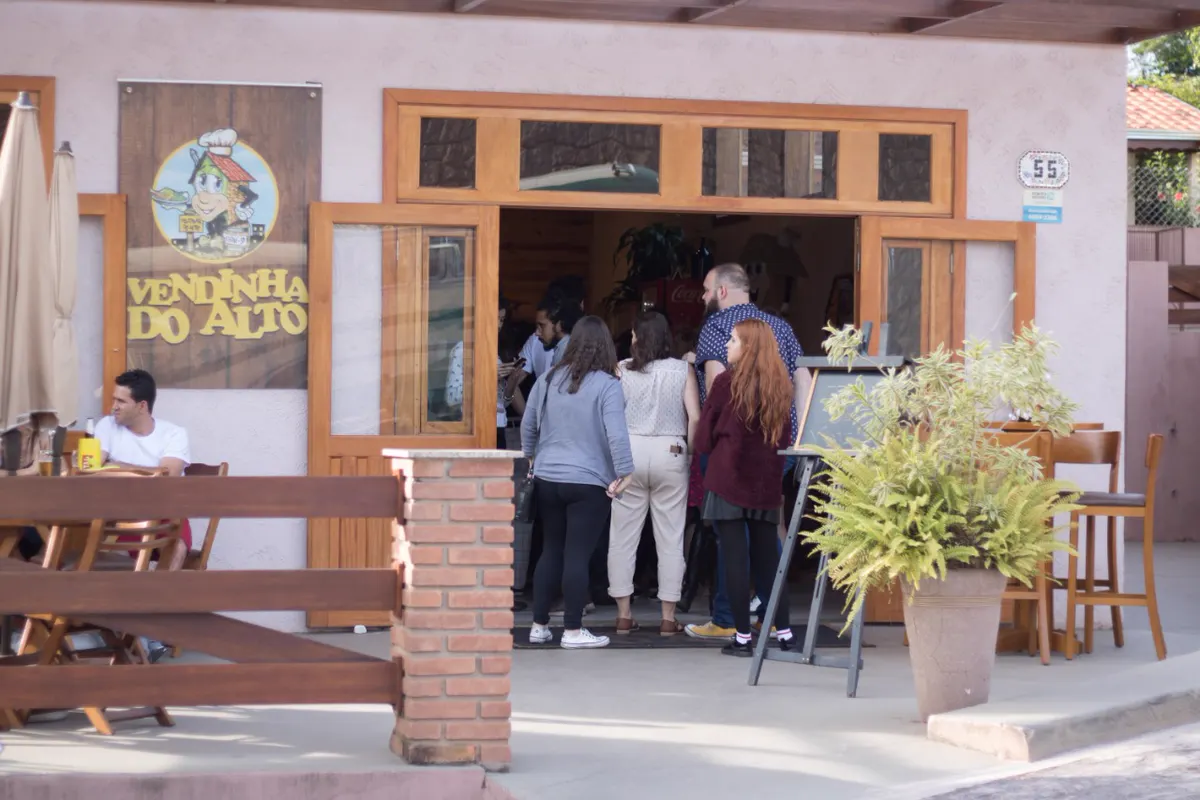
Vendinha do Alto is also a restaurant of Italian origin, but spending the afternoon there is a great option. The atmosphere is very homey and the staff make you feel at home, mainly through their warmth and care. Don’t miss the homemade torresmo bread, a typical delicacy of the region.
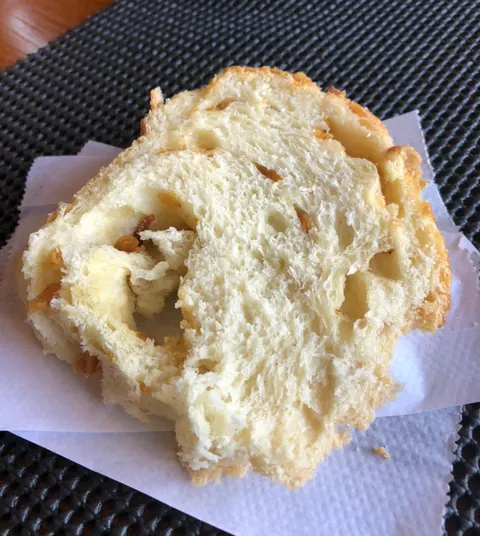
Villa Brunholi
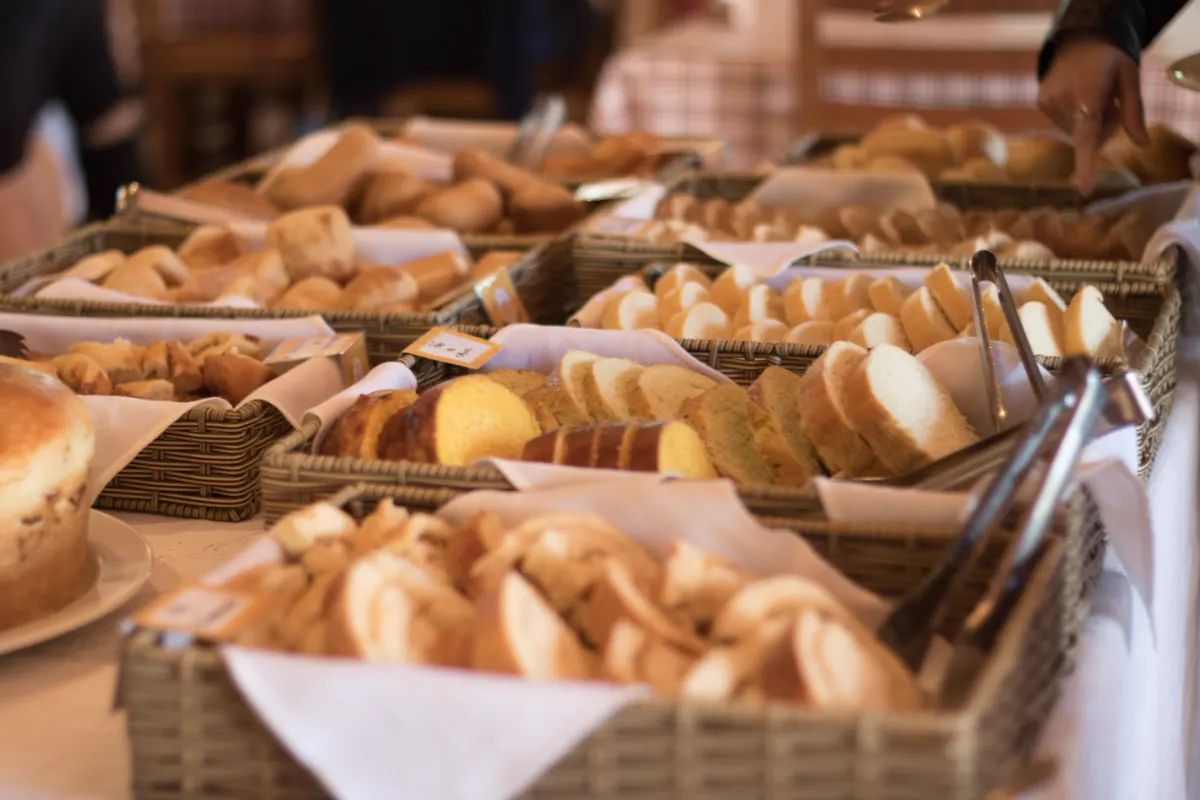
Starting the day with the colonial breakfast at the Villa Brunholi tourism and gastronomy complex is a must. There are three tables loaded with food, including sweets and savory snacks, breads and cakes, juices, coffee and hot chocolate. Among the more than 80 items, the grape pudding with mascarpone cheese, award-winning at the Festival de Sabores de São Paulo in 2016, is not to be missed. The colonial breakfast is served on Saturdays and Sundays.
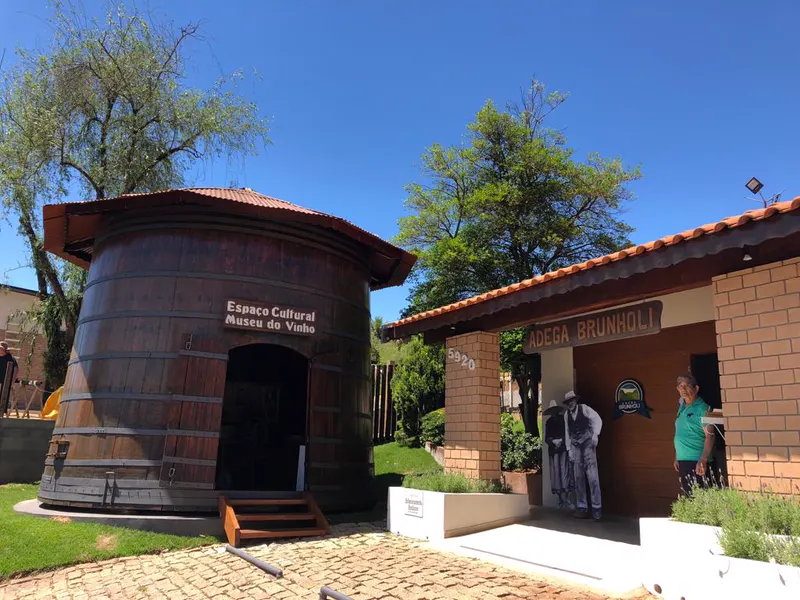
Adega Maziero
Adega Maziero is a special stop for religious visitors. The smooth rosé wine produced by the winery was chosen for the masses celebrated by the last two popes who visited Brazil, Benedict XVI and Francis.
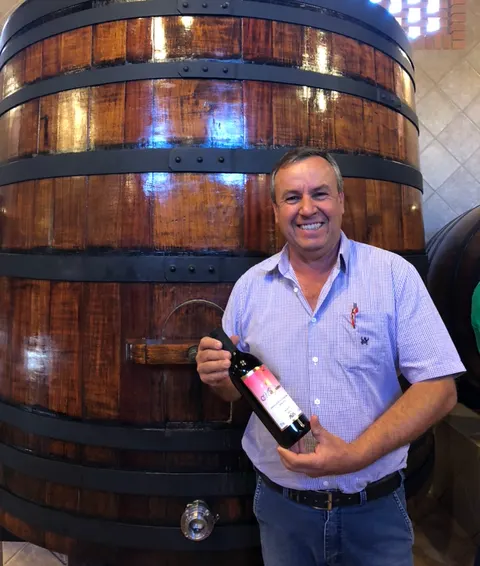
The wine was selected by members of the Brazilian organizing committee, who chose wines from 23 different places; of these, 3 were selected and presented to the Pope so he could choose the best one.
Adega do Português
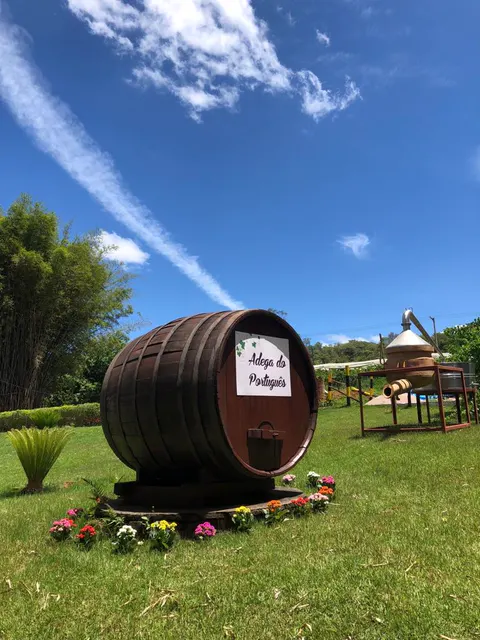
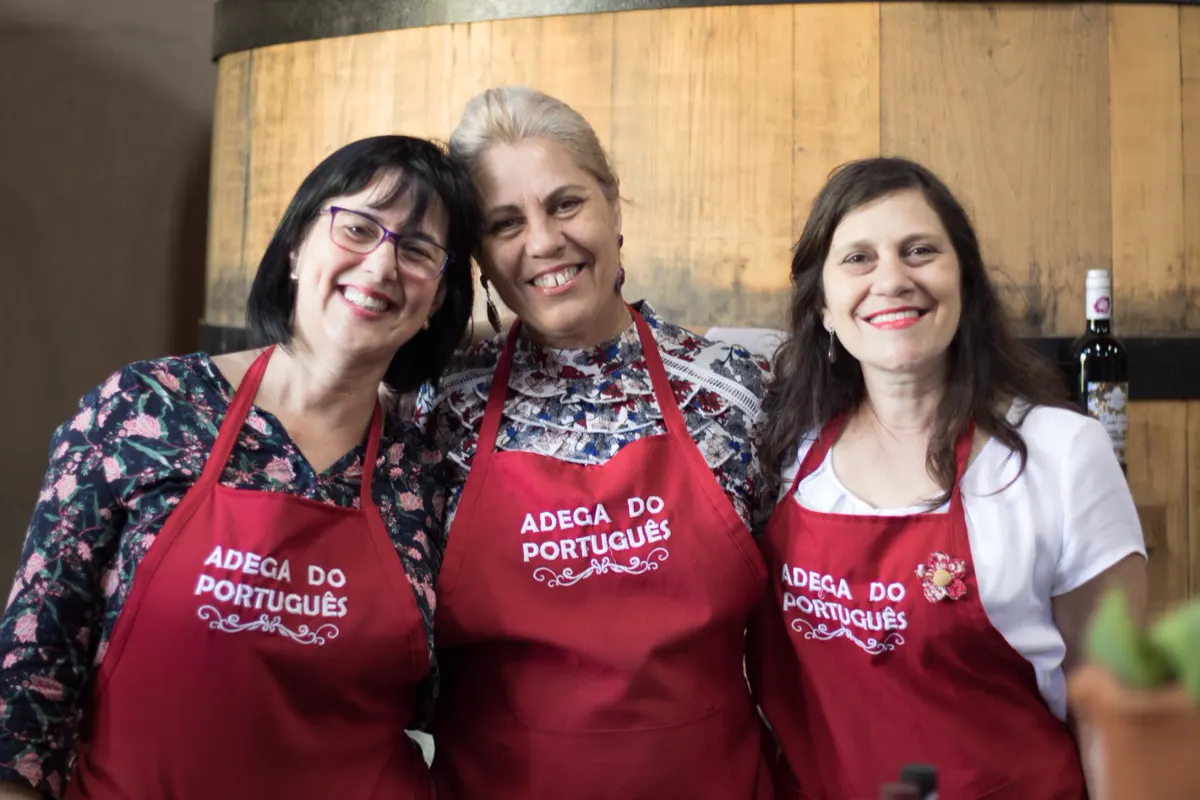
At Adega do Português, the only winery in the region without Italian origins, men have no say. The farm and winery are graciously run by Angela Moniz and her assistants Marissol Oliveira and Lilian Pezzoti. Angela’s parents came from Portugal and started from the same principle as their Italian neighbors, continuing with grape growing and winemaking.
Hortifruti Miossi
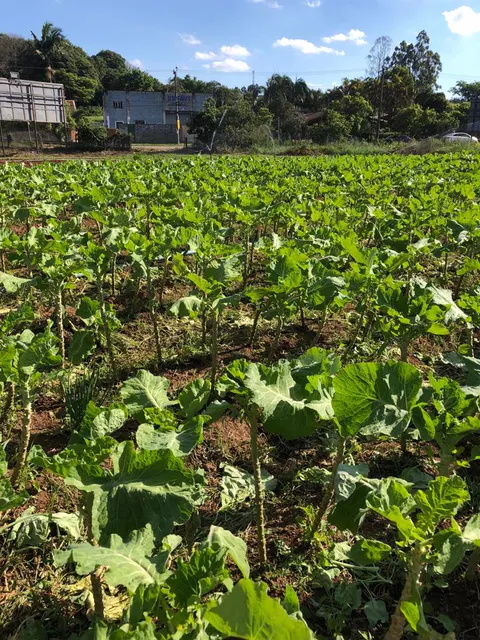
On the Rota da Uva, it’s not all about eating and tasting wines; visitors can also explore the Miossi family’s produce farm. Lettuce, arugula, kale, parsley and spinach are grown there without the addition of pesticides. If you want to buy some vegetables, you can simply pick them directly from the crop.
Kioske Roseira
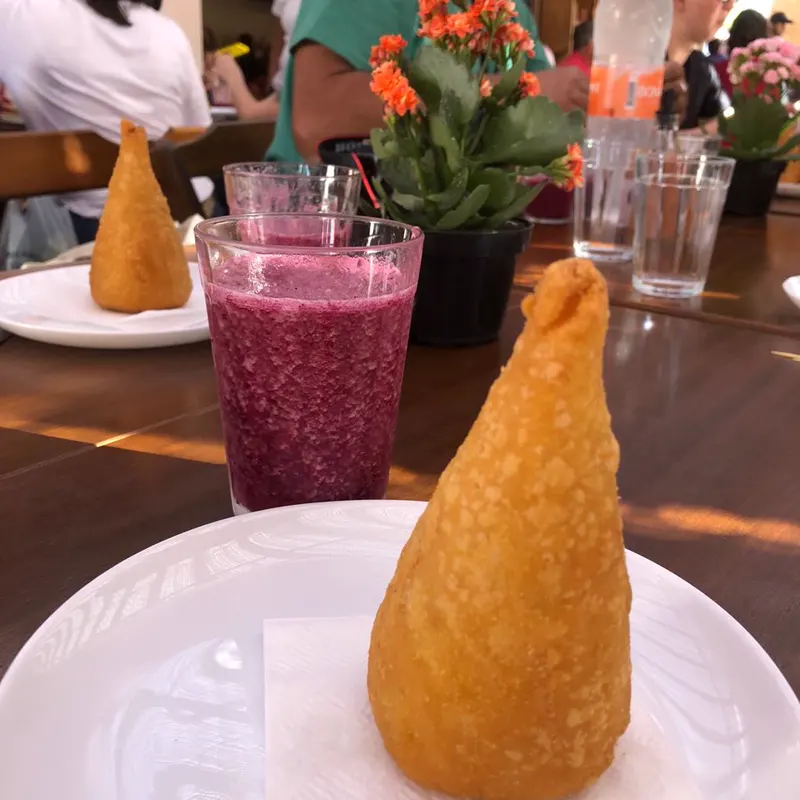
This is where you can try the city’s traditional cheese coxinha. It isn’t a cheese ball; for the people of Jundiaí it is a cheese coxinha, and the delicacy has even been listed as Intangible Heritage of Jundiaí. Although the name is in the diminutive, the coxinhas are quite large, so it’s important to visit the kiosk on an empty stomach. Eating the snack together with the delicious natural grape juice is an excellent combination.