
Galeria Arte132 Presents the Exhibition “O Sequestro da Independência”

· 4 min read
Translated with AI assistance.Read the original in Portuguese
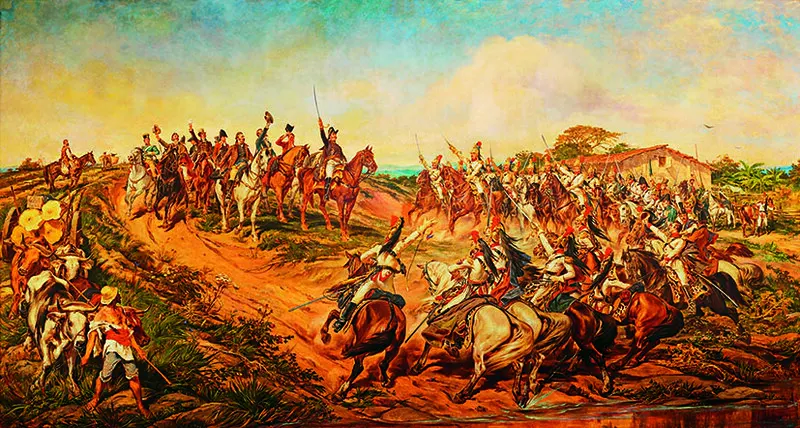
A story about the visual construction of September 7 in Brazil. That is the theme of the exhibition “O Sequestro da Independência,” opening on August 13, at Galeria Arte 132. Curated by Lilia Moritz Schwarcz, Lúcia Klück Stumpf and Carlos Lima Junior, the exhibition was conceived in dialogue with the book “O Sequestro da Independência – Uma história da construção do mito do Sete de Setembro” (Companhia das Letras, 2022), which will be launched the same day and tells the visual story of the myth of September 7.
The exhibition’s curators are also the authors of the book. The curatorial team will lead a guided tour on opening day at 12h, and will also be available for a book signing afternoon from 13h to 15h.
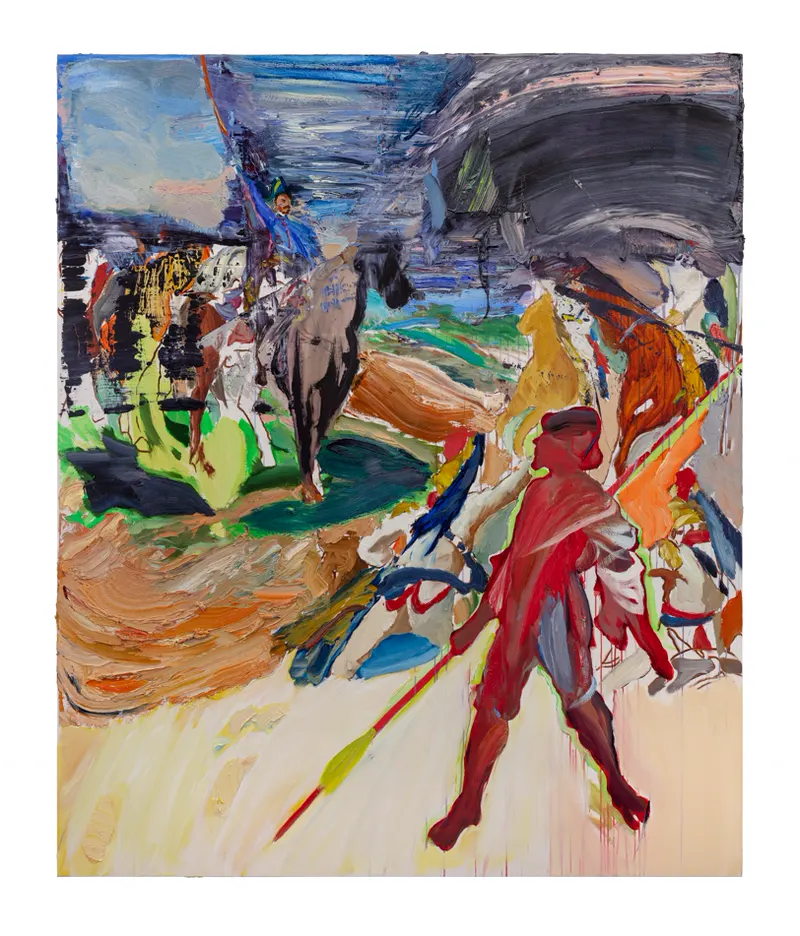
Deliberately built from reproductions of well-known works, and some less so, the show aims to shed light on the visual narratives around our political emancipation at four key moments: during the independence process, in 1822; for the centenary celebrations, in 1922; in 1972, when the military dictatorship marked the 150th anniversary of the event; and in this year of 2022. The intention is to show how different visual memories take shape, and how each political context “hijacks” meanings so they fit the moment and fire the imagination.
“Many nations imagine themselves through a painting, which, in turn, was imagined in dialogue with other canvases, often foreign ones. Here it was no different,” explains the trio of curators. For them, however, Pedro Américo’s canvas “Independência ou morte,” from 1888, holds a special meaning in the construction of the Brazilian national identity. “A painting commissioned by the Commission that built the Edifício-Monumento (future Museu do Ipiranga) in 1886, and supported by D. Pedro II, as a form of homage from son to father, gradually became merely an illustration: a faithful portrait of September 7 on the banks of the Ipiranga, progressively stripped of its original meaning, authorship and context,” the curatorial team stresses.
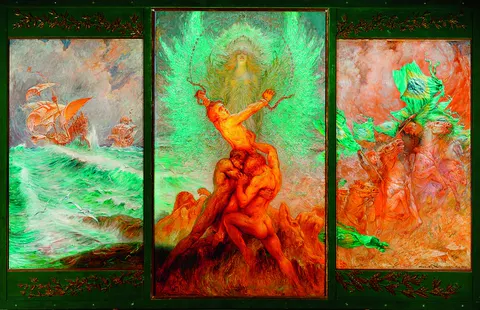
The chapters of the book revolve around six findings, which are also carried into the exhibition. They are:
- The details of a canvas – it is worth “reading” a painting as a whole, but also through its details, all equally significant;
- 1822: the proclamation of independence took place first in Rio de Janeiro, not in São Paulo, on the banks of the Ipiranga;
- The artist Pedro Américo was European and knew nothing of Brazilian lands; therefore, he depicted in his painting a “European independence”, with D. Pedro as the protagonist rather than the common people (placed on the left edge of the canvas), a picture entirely out of step with reality;
- 1922: the dispute for protagonism between the Museu Paulista (Museu do Ipiranga, SP) and the Museu Histórico Nacional (RJ) to depict the independence period, commissioning paintings that illustrated historical moments and figures;
- 1972: the active commemoration of 150 years of political emancipation by the military dictatorship, which used it as a strategy to divert attention from the violence occurring in the country’s streets;
- Other independences across Brazil: states in the North and Northeast fought countless armed conflicts during this period. For that reason, they began commissioning paintings that highlighted the role of their local leaders in the struggles of the Independence wars, breaking with this southeastern, palace-centered, European and male view of the independence process;
- And, finally, other echoes of the Cry of Independence: the force and popularity of Pedro Américo’s canvas in the 20th and 21st centuries were so great that it became a kind of national imagery. As a result, it has been reinterpreted countless times by advertising, political satire and contemporary artists who likewise set out to “hijack meanings.”
Because of its educational and revisionist character regarding the country’s history, the main intention of the curators and the gallery in conceiving the exhibition is for it to tour schools across Brazil’s states, bringing primary and secondary education a plural and more truthful view of the Independence of the Republic, dated September 7, 1822. Very different from what Pedro Américo’s painting and other works D. Pedro commissioned to illustrate this period depicted, women, children, Indigenous people and enslaved Black people, the true “heroes of independence,” took part in the armed conflicts. Information
O Sequestro da Independência
Curation and critical text: Lilia Schwarcz, Lúcia Klück Stumpf and Carlos Lima Junior
Venue: Galeria Arte132 – Av. Juriti, 132, Moema, São Paulo – SP
Guided tour with the curators: August 13, Saturday, at 12h
Book signing afternoon with the authors: August 13, Saturday, from 13h to 15h
Exhibition period: August 13 to September 24, 2022
Visiting hours: Monday to Friday, 14h to 19h. Saturdays, 11h to 17h
Free admission