
From London to the Taj Mahal: A Complete Train Route from Europe to India

· Updated · 5 min read
Translated with AI assistance.Read the original in Portuguese
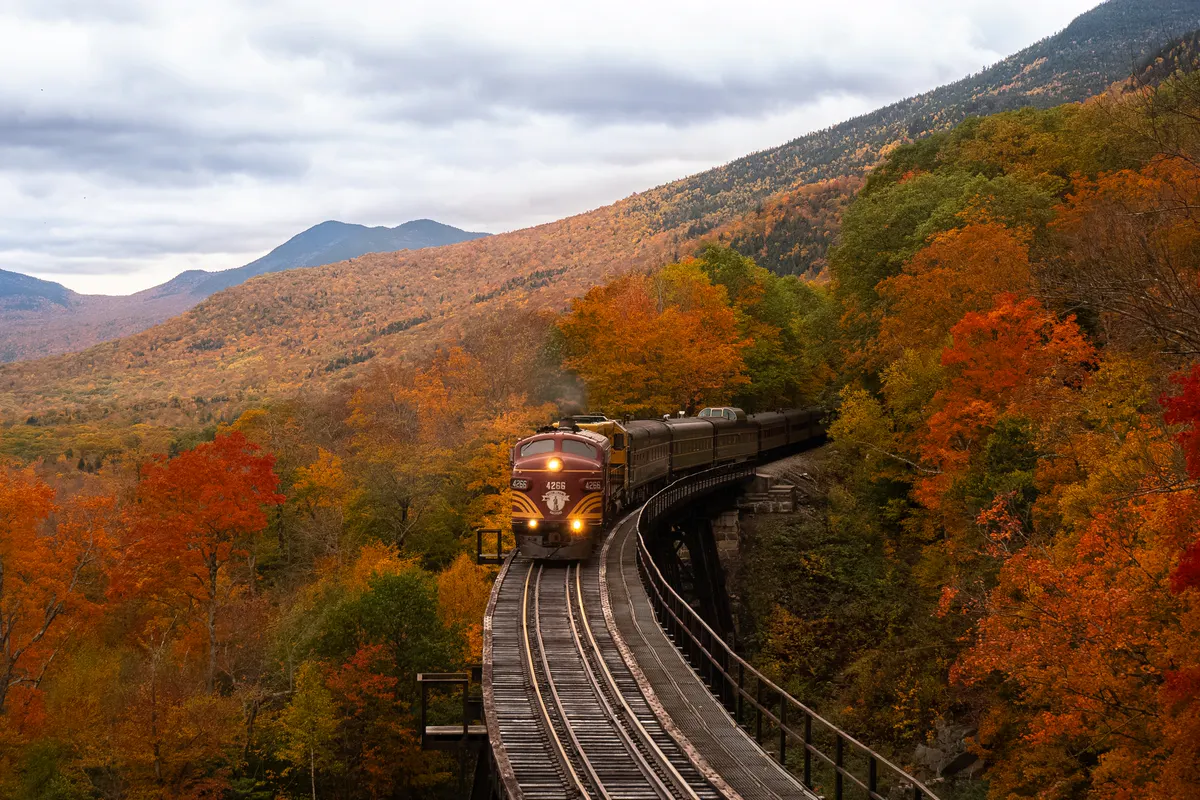
The early-morning quiet in London has a particular sound when you are about to board a journey that will cross continents. At St Pancras station, where the first rays of sunlight filter through the Victorian stained glass, the Eurostar waits for its passengers with a destination far more distant than Paris – this is only the first chapter of a railway epic that will end at the foot of the Taj Mahal.
The European rhythm: from Vienna's coffeehouses to the castles of Transylvania
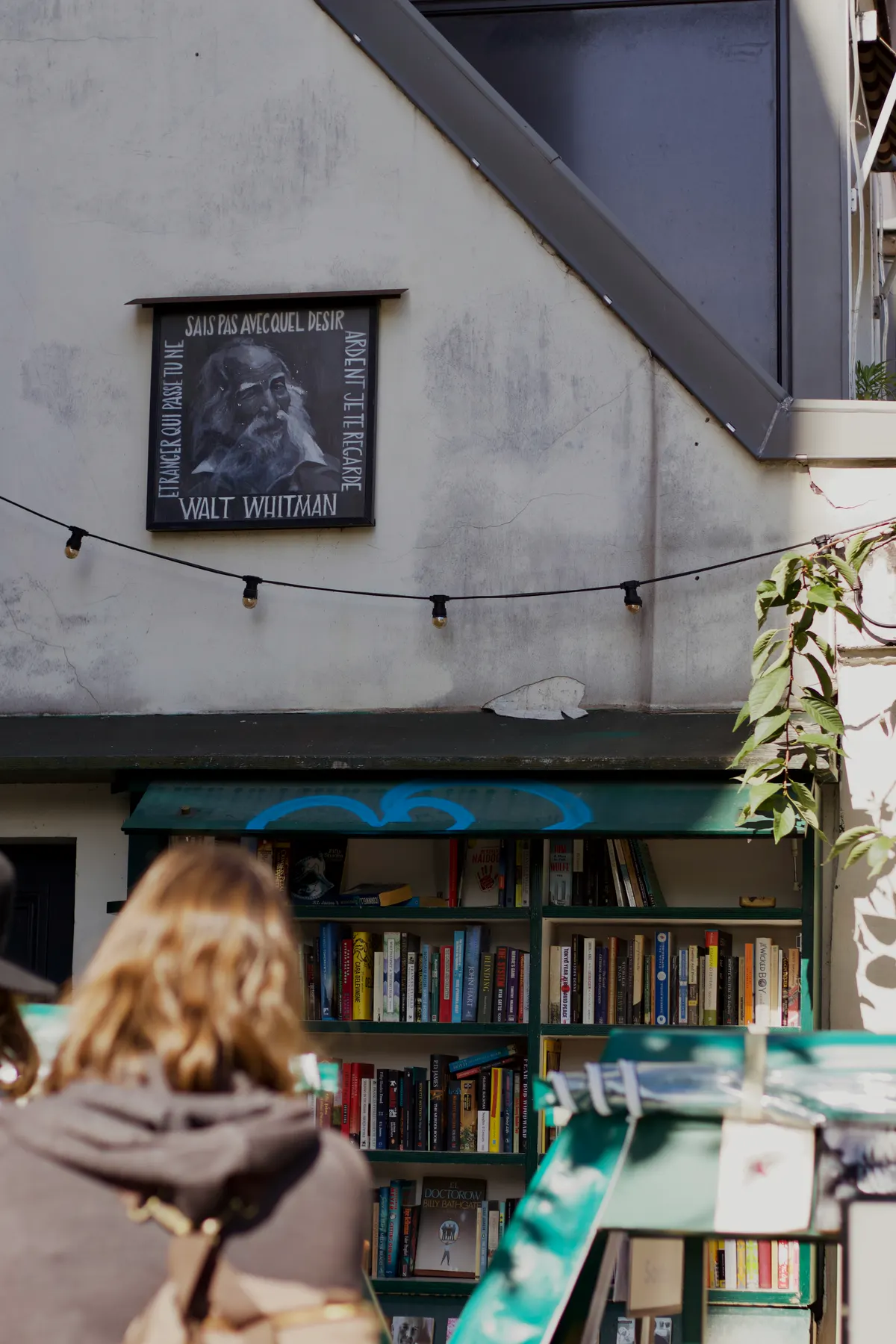
After crossing the English Channel in just over two hours – enough time for a coffee and a croissant served on porcelain – Paris welcomes travelers with its illuminated boulevards. But this is not a journey to be rushed. Set aside at least two days to get lost in the labyrinth of books at Shakespeare & Company, where Hemingway and Fitzgerald once sought inspiration, before boarding the overnight train to Munich.
The Alps appear as a dramatic prelude at dawn, as the train begins to climb gently between green valleys and villages with little wooden houses that look like they came from a tale by the Brothers Grimm. In Vienna, a mandatory stop: the Café Central, with its crystal chandeliers and marble tables, where Trotsky and Freud debated the great questions of the 20th century. Order the famous Wiener Melange – a Viennese-style cappuccino – and let the live piano set the rhythm of this journey through time.
As the train heads east, the landscape transforms. In Hungary, golden sunflower fields give way to the dense forests of the Romanian Carpathians. In Brașov, in Transylvania, get off for a night to dine at Casa Hirscher, a 15th-century restaurant where sarmale (cabbage rolls stuffed with meat and rice) are prepared following ancestral recipes. The overnight train to Bucharest departs at 23:17 – choose a compartment with a large window to watch the moon reflected on the lakes of Wallachia.
Istanbul: where continents meet
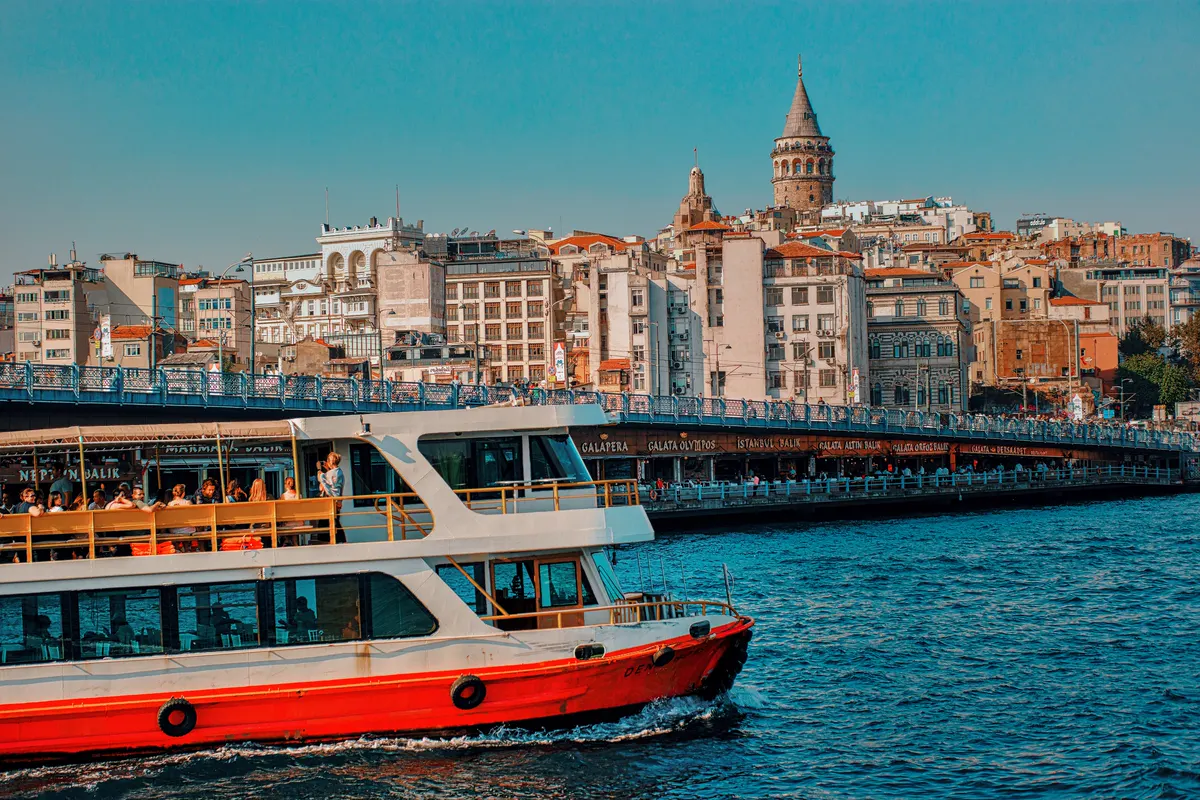
Arriving in Istanbul is a spectacle in itself. The train glides slowly along the Golden Horn, with the domes and minarets of the old city emerging through the morning mist. Here, where Europe and Asia meet across the Bosphorus, set aside at least four days to explore layers of history.
Start with the Spice Bazaar at dawn, when the first rays of sunlight illuminate mounds of saffron, Syrian pepper and pistachios in hues that would challenge any painter's palette. In the late afternoon, when the tourists have gone, climb to the terrace of Seven Hills Restaurant to watch the sunset bathe the Blue Mosque and Hagia Sophia in amber tones.
Don't miss the Marmaray, the train that dives beneath the waters of the Bosphorus in just four minutes – a marvel of modern engineering connecting two continents. On the Asian side, the neighborhood of Kadıköy offers a more authentic Istanbul, with its vintage cafés and record shops that play jazz late into the night.
The sensory Iran: a tapestry of colors and flavors
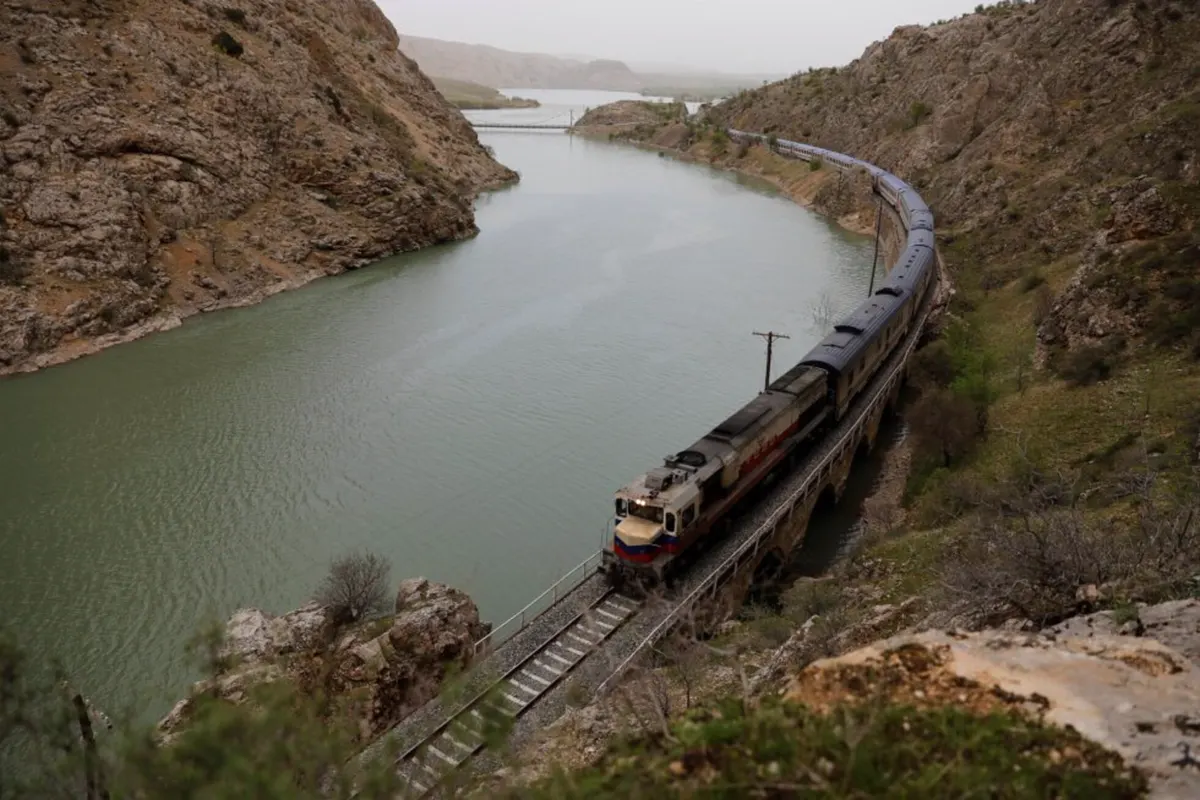
The Eastern Express to Tehran departs only once a week, and boarding it is like stepping into a time capsule. The carriages carry passengers through landscapes that change radically every hundred kilometers – from the snowy peaks of the north to the salt deserts of the center.
In Isfahan, consider staying three days. At Naqsh-e Jahan Square, the second largest in the world, watch how the evening light transforms the mosaics of the Shah Mosque into a kaleidoscope of blues and golds. At night, follow the smell of grilled meat to the side streets, where local families picnic under centuries-old trees, sharing plates of fesenjan (a stew of pomegranate and walnuts) with strangers as if they were old friends.
The great crossing: Pakistan and the road to India
The border between Iran and Pakistan is where the journey becomes a true adventure. The immigration process can take days – time that proves to be an unexpected gift. In the border villages, meet artisans who still make knives the same way their ancestors did a thousand years ago, or join an impromptu game of cricket with local children.
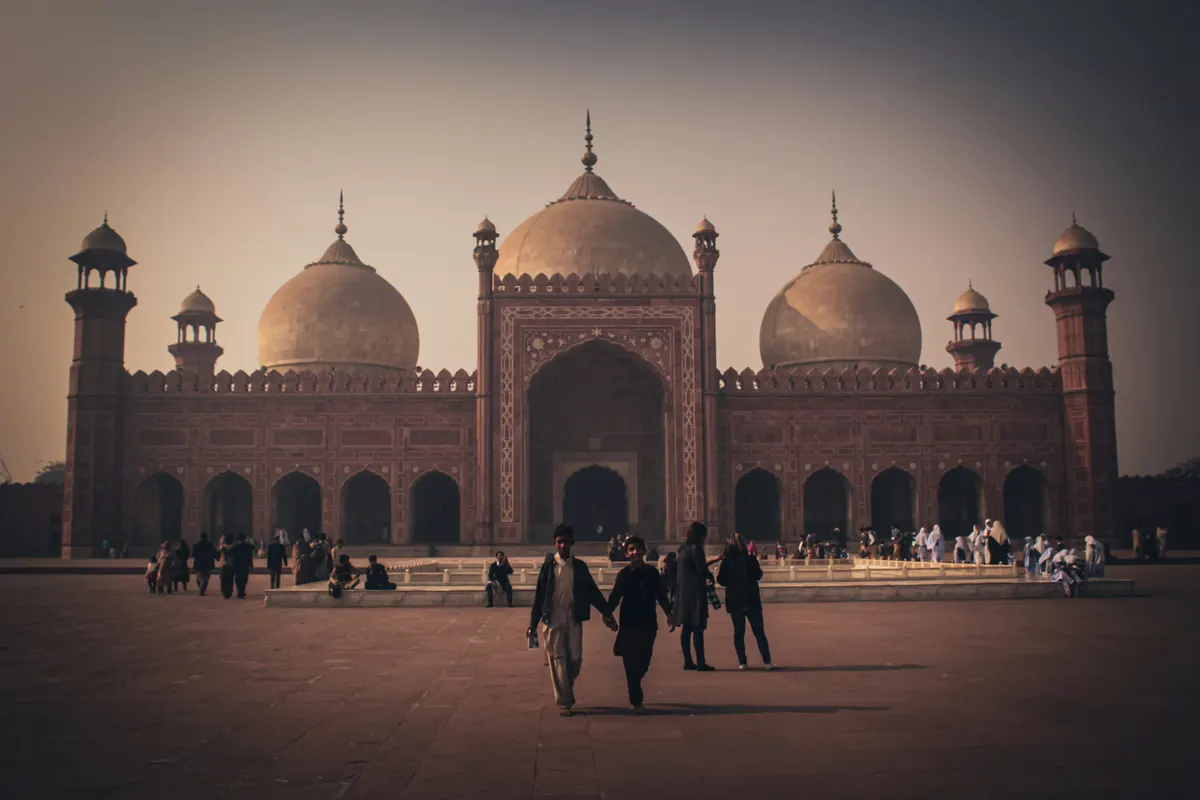
In Lahore, the Badshahi Mosque – one of the largest in the world – offers an exhilarating view of the city from its minarets. But the real treasure lies in the alleys around the bazaar, where master goldsmiths work silver in small workshops that have not changed in centuries.
The final train: Delhi to the Taj Mahal
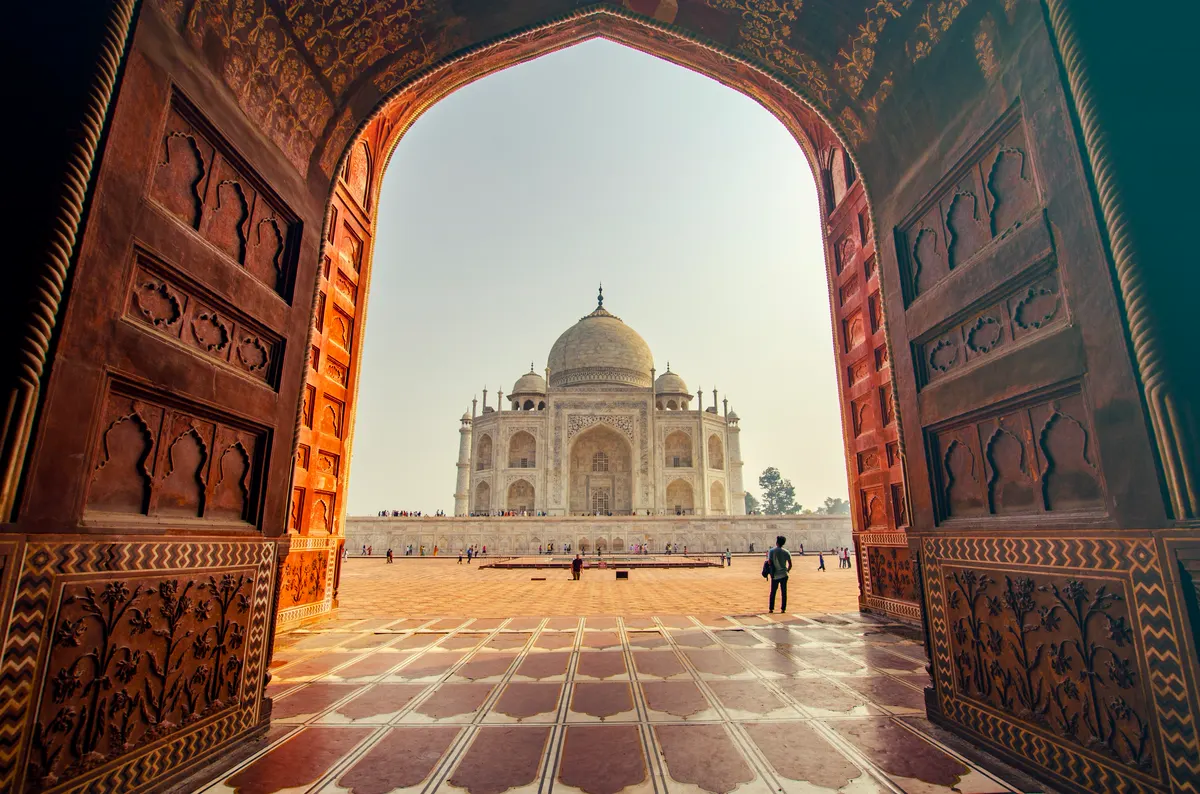
The Shatabdi Express to Agra departs at 6:15, and every minute of lost sleep is worth it. As the sun rises over the fields of Punjab, chai is served in clay cups – the most authentic flavor of India. When the Taj Mahal finally appears through the morning mist, after months of travel, you will understand: some beauties can only be truly appreciated when won slowly, kilometer after kilometer.
Final Tip: In Agra, avoid the crowds by visiting the Taj at sunset. As the last visitors leave, sit in the Mughal gardens with a cup of masala chai and let the stillness of the moment – and the magnitude of this journey – reveal themselves in silence. After all, as a Persian proverb says, "patience is the key to joy" – and no journey proves this truth better than this legendary crossing by rail.