
Fortaleza Turns 295 This Past Tuesday. Here Are 8 Facts About Ceará's Capital

By Julia Paiva
· Updated · 4 min read
Translated with AI assistance.Read the original in Portuguese
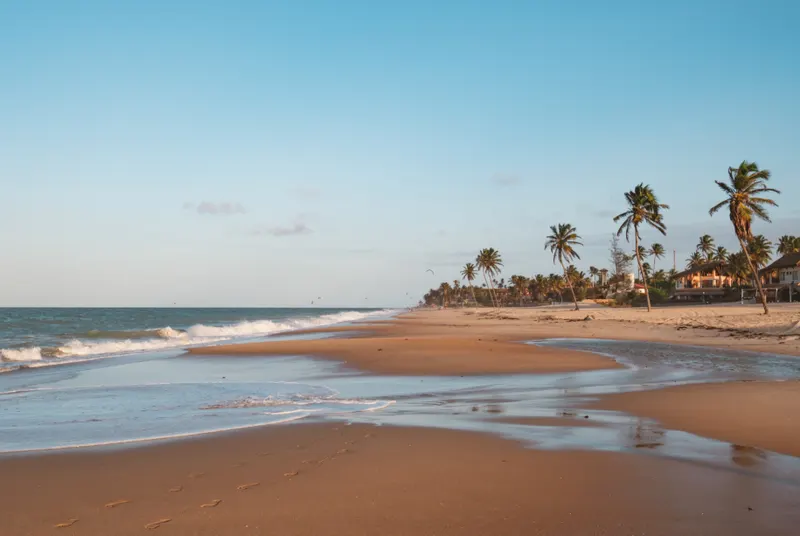
The fifth most populous capital in Brazil, Fortaleza, located in the state of Ceará, turned 295 years old this past Tuesday (13). It's fair to say that its beautiful beaches and warm people are not the only things that catch the attention of tourists arriving in the city. The destination also holds rich historical curiosities that mark very important periods in Brazil's history.
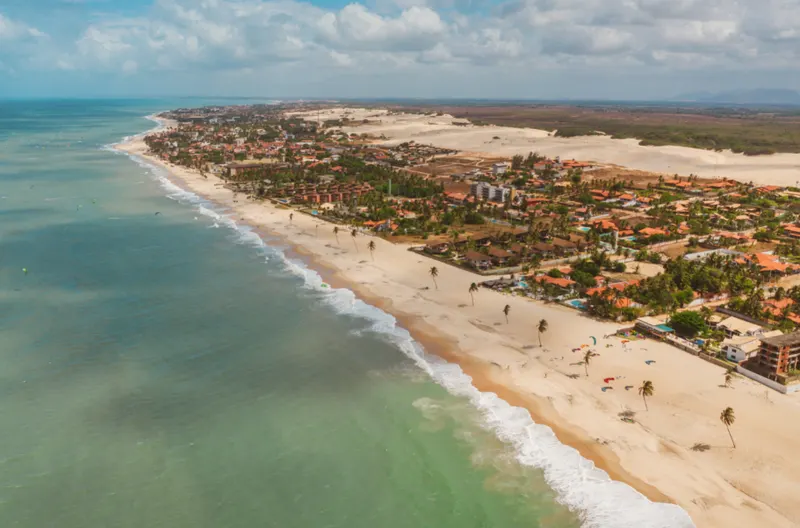
Today, we've picked out some curiosities about the much-loved Fortaleza! Want to learn more? Check them out:
1 – Goodbye, slavery!
Fortaleza was the first Brazilian city to abolish slavery in the country. On March 25, 1884, the province's president, Sátiro Dias, declared the freedom of all enslaved people in Ceará, making the state the first to abolish slavery in the country, four years before the Golden Law.
2 – Fortaleza, the city inspired by Paris.
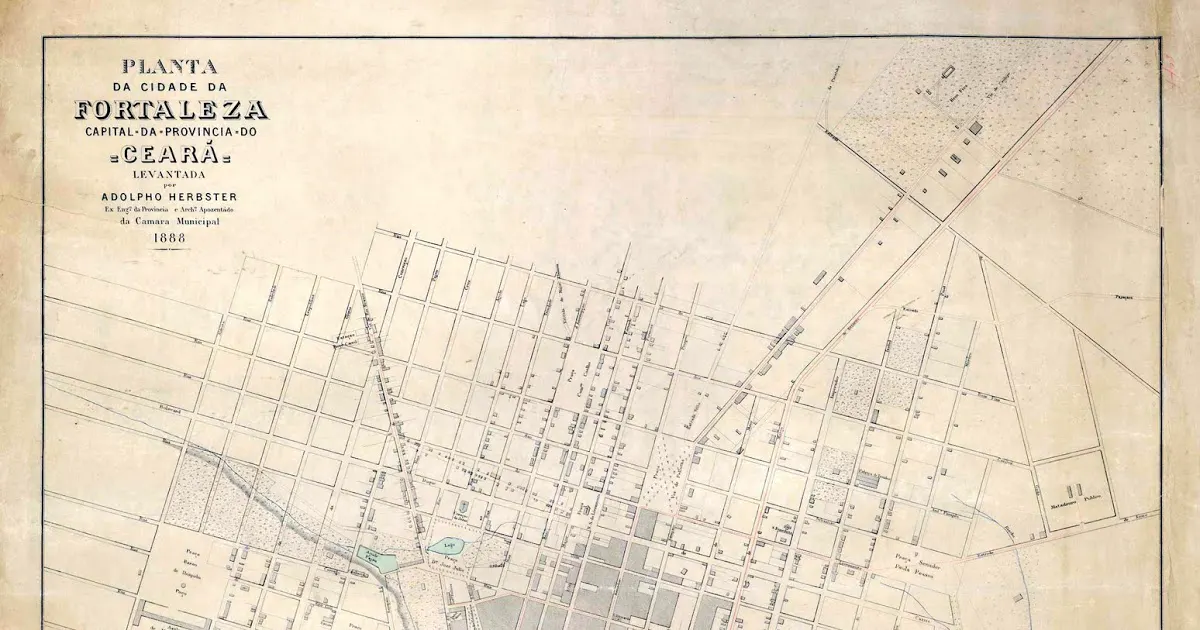
The city's layout of Fortaleza was inspired by the same project that shaped the streets of Paris, France. Engineer Adolfo Herbster was the author of the project and it includes three boulevards. The alignment of the streets in the Ceará capital is compared to a chessboard layout, which makes the flow of traffic and people easier.
3 – Why Fortaleza?
The city grew around the Fortaleza de Nossa Senhora de Assunção, the former Dutch fort Schoonenborch, built in 1649.
4 – One of the worst droughts in history!
Around 1877, Fortaleza suffered one of the worst droughts in history. The event was so alarming that nearly half of the city's 120,000 inhabitants at the time died of hunger and other diseases in a short period. As the water reservoirs dried up and the population lived in subhuman conditions, Fortaleza suffered a serious smallpox epidemic that spread rapidly through the city.
In addition, December 10, 1878 went down as the “day of the thousand dead,” when 1,004 people died from the disease. Some say that Dom Pedro II declared, “I promise to sell even the last jewel in the crown to solve the problem,” when he learned of the news.
According to researcher Fátima Garcia, in an interview with the Diário do Nordeste Portal, corpses were stacked without any precautions and transported in carts by gravediggers who were completely drunk. Drinking cachaça was a way to ward off the sickness caused by the terrible odor coming from the bodies. Many were left unburied, as there was neither time nor space to bury them.
5 – Praia do Futuro is the fifth most visited beach in Brazil!
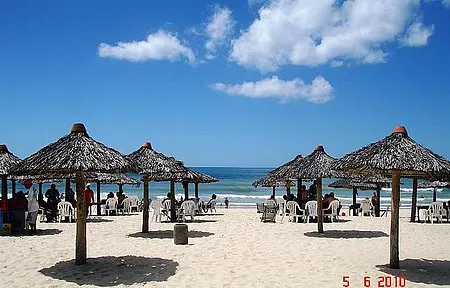
Praia do Futuro is synonymous with tranquility and great beauty. Its features attract families, people who avoid crowds, and groups of friends who love to spend the whole day with their feet in the sand.
ALSO SEE: 6 curiosities about Cuiabá, in Mato Grosso.
In addition, its infrastructure is complete. Its oceanfront promenade stretches 25 km and is lined with restaurants, beach kiosks, and freshwater showers. Typical of an excellent Northeastern destination, when the sun sets the activity continues with plenty of forró music and caranguejada (crab feasts) hosted by local vendors.
6 – The electric trams
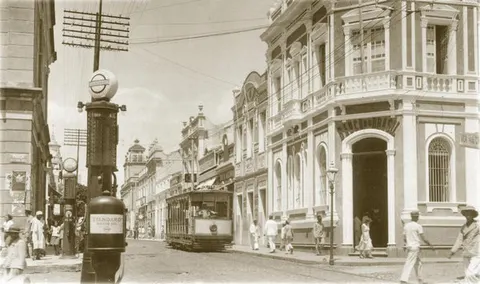
The city only began operating electric trams in 1913. Before that, the vehicles were pulled by animals, which continued to be used even after the adoption of more modern options to meet the population's demand.
7 – The famous Castelão!
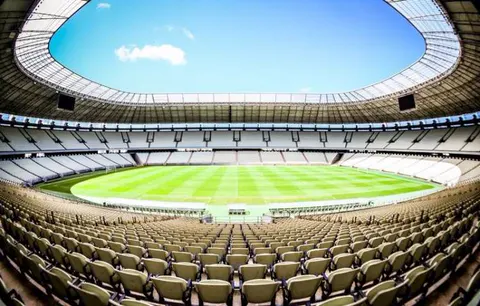
A new stadium in Fortaleza was built to host events such as the 2013 Confederations Cup and the 2014 World Cup and, in addition, it was the first to be completed. With a capacity of up to 63,903 spectators, Castelão is the 4th largest stadium in Brazil and is among the 60 largest in the world. Guided tours of the stadium are available.
8 – Praia de Iracema
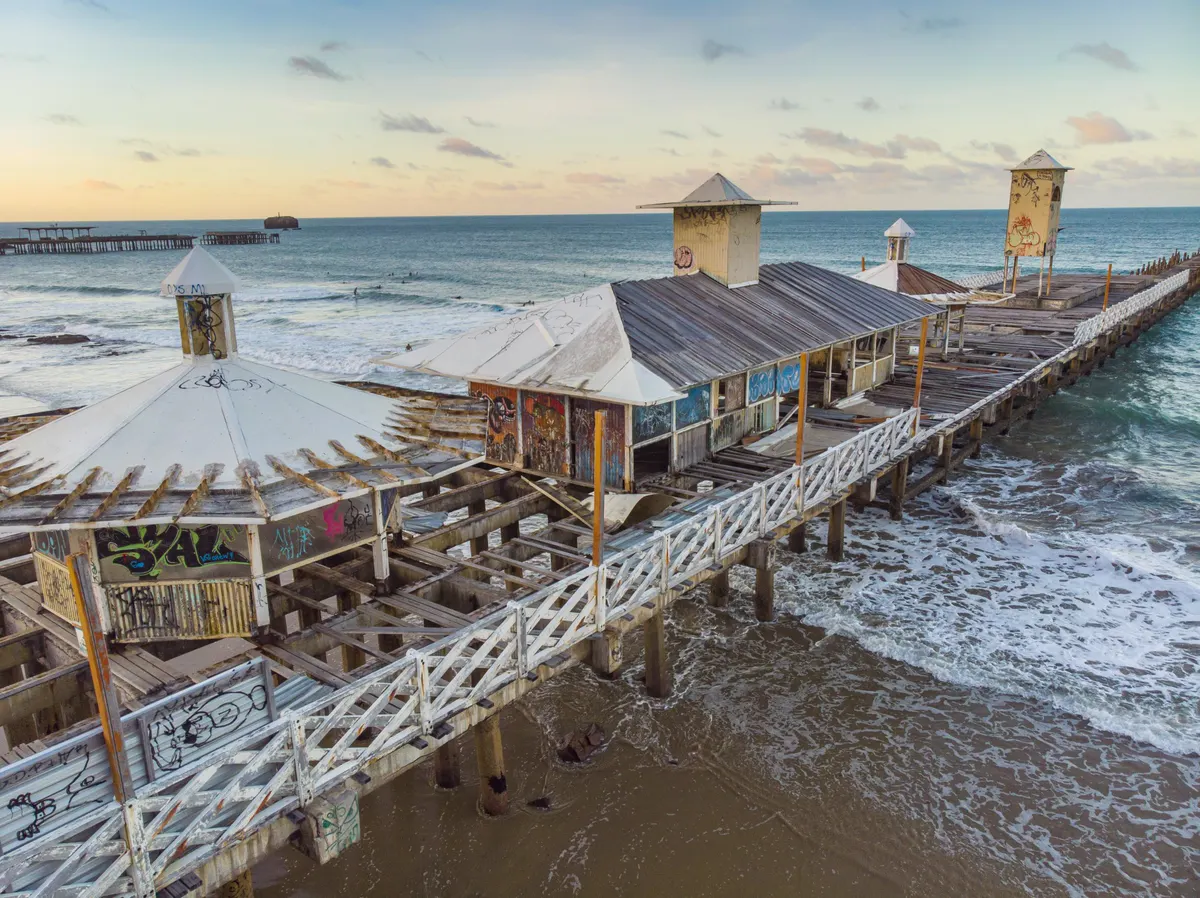
A large part of Fortaleza's history is concentrated in Praia de Iracema, since it was where the city's elite lived at the time and made the neighborhood more charming. One of the main attractions is the Ponte dos Ingleses,
The statue of Iracema Guardiã was unveiled in 1996 on the little landfill of Praia de Iracema, and shows the Indigenous woman holding a large bow, looking out to sea, as if in a battle stance. The work was created by visual artist Zenon Barreto.
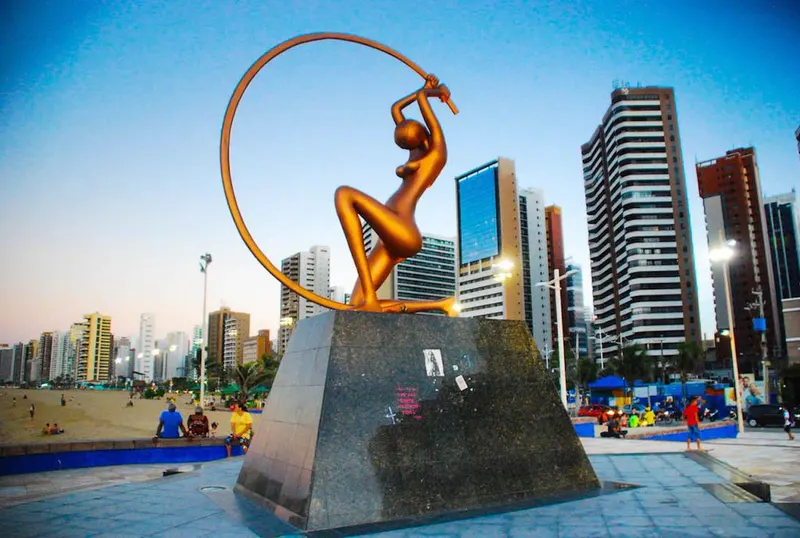
Iracema is the main character of a novel written by Fortaleza native José de Alencar, which gives its name to the city's largest theater. The novel tells the story of the Indigenous woman Iracema and Martim Soares Moreno, one of the first Portuguese men to arrive in the Fortaleza region, who chose to live among the Indigenous people, becoming Iracema's husband.
Follow MídiaTuris on social media:
Instagram: @midia.turis
TikTok / Twitter / Facebook: @midiaturis