
Expoflora projects R$ 200 million injection into Holambra's economy

· 3 min read
Translated with AI assistance.Read the original in Portuguese
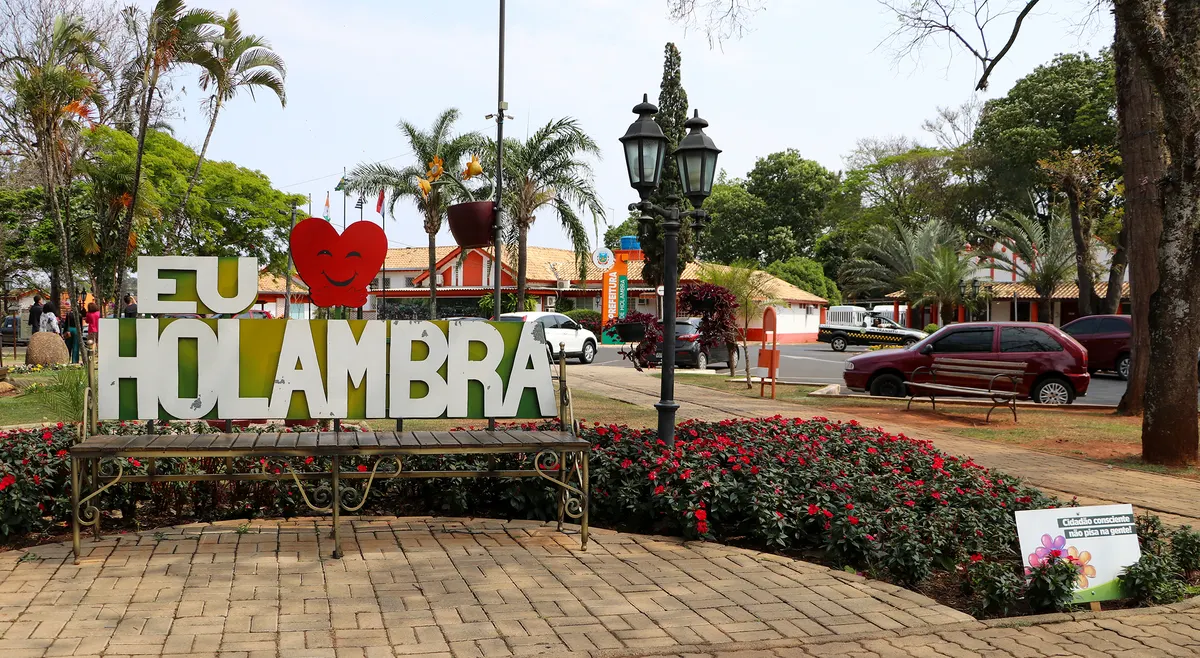
The Expoflora, the largest exhibition of flowers and ornamental plants in Latin America, held in Holambra, in the interior of São Paulo, is expected to give a significant boost to the regional economy in its 39th edition. The event will run from September 2 to 25, Friday through Sunday, and on September 7 and 8, from 9h to 19h.
The organizers expect Expoflora to draw approximately 230,000 tourists from across Brazil over four weekends, generating around R$ 200 million across various segments and benefiting municipalities within a radius of up to 180 kilometers from Holambra.
In job creation alone, Expoflora is expected to generate about 7,000 positions, both indirect and direct. This total includes the jobs offered by exhibitors, restaurants, suppliers and other important partners for the event.
This scenario is significant at a time of economic recovery after the covid-19 pandemic, which, in fact, prevented Expoflora from taking place in 2020 and 2021.
Hotel Sector
The hotel sector is one of the most optimistic about the event, since it attracts tourists from across Brazil. “One-third of the event’s total audience usually extends their stay in the region to visit tourist cities such as Serra Negra, Lindóia, Águas de Lindóia and Socorro, and to enjoy gastronomic tourism in municipalities closer to Holambra, such as Campinas, boosting bookings within a radius of up to 180 kilometers from Holambra on weekends and holidays,” explains Douglas Marcondes, director of the Campinas e Região Convention & Visitors Bureau (CRC&VB), a regional tourism promotion body.
Vanderlei Costa, president of Campinas Convention, notes that beyond the hotel sector, Expoflora impacts the business of more than 40 economic segments, such as transportation, security, reception, sound and stage production, shows, among others. “Expoflora drives a very large chain, generating income and temporary jobs at this time of year,” Costa adds.
Based on the last Expoflora edition, held in 2019, the body projects spending between R$ 110 million and R$ 140 million this year, through bookings and consumption at hotels in the region. “We expect 70% occupancy of the 5,000 beds available across the regional hotel network for September, in the economy and midscale categories (which offer personalized services and have an identity tied to the region where they are located),” Marcondes calculates.
“This number could even surprise on the upside, based on our experience with other regional events, which are drawing a much larger audience than expected in this comeback. Pent-up demand is delivering positive surprises and very favorable expectations.”

This higher hotel demand also has positive effects on temporary job creation. “With more bookings, hotels are forced to seek temporary labor for services such as room cleaning and maintenance, guest service, recreation and other lodging departments,” says the CRC&VB’s director of Hospitality. “This could mean somewhere between 200 and 300 additional jobs per weekend during September,” he estimates.
Bars and restaurants
The Brazilian Association of Bars and Restaurants (Abrasel) – Campinas Regional estimates that Expoflora will boost the sector significantly, generating income and temporary jobs across the roughly 14,000 establishments in the Metropolitan Region of Campinas (RMC) to meet demand. According to the association’s calculations, each visitor to the event is expected to spend an average daily ticket of R$ 90.00 on restaurant meals or on drinks, soft drinks, snacks and savory items at bars in Holambra and surrounding cities, especially in the Metropolitan Region of Campinas.

“The number of people attending events has surprised after the in-person return of audiences, contributing to the recovery of the overall economy and especially of the bars and restaurants segment. The public is looking for something different after two years of restrictions, and is turning out in large numbers, surpassing initial estimates,” says Matheus Mason, pr