
Do You Know What a Staycation Is?

· Updated · 3 min read
Translated with AI assistance.Read the original in Portuguese

The habit of enjoying the holiday without leaving the city or traveling to nearby destinations is the big trend for Holy Week
A few days before Holy Week, interest is growing across Latin America in a form of rest that departs from traditional itineraries: the staycation. The trend, which combines the words stay and vacation , describes the habit of enjoying the holiday without leaving the city or traveling to nearby destinations. More than a practical alternative, the movement points to a new way of consuming tourism: more accessible, more sustainable and more connected to local reality.
According to Kauana Neves, Client Services Director at another, a strategic communications agency with the largest range of services in Latin America, the staycation has been consolidating by offering a practical and accessible alternative to traditional rest. Instead of facing long trips, many people have chosen to enjoy hotels, spas, cultural centers or nearby green areas, experiencing leisure without leaving the city or heading to easily accessible destinations.
The trend has stood out especially in Latin America, where economic, social and environmental factors are driving the search for ways of traveling that are more sustainable, convenient and compatible with the budget.
Interest in nearby destinations grows across the region
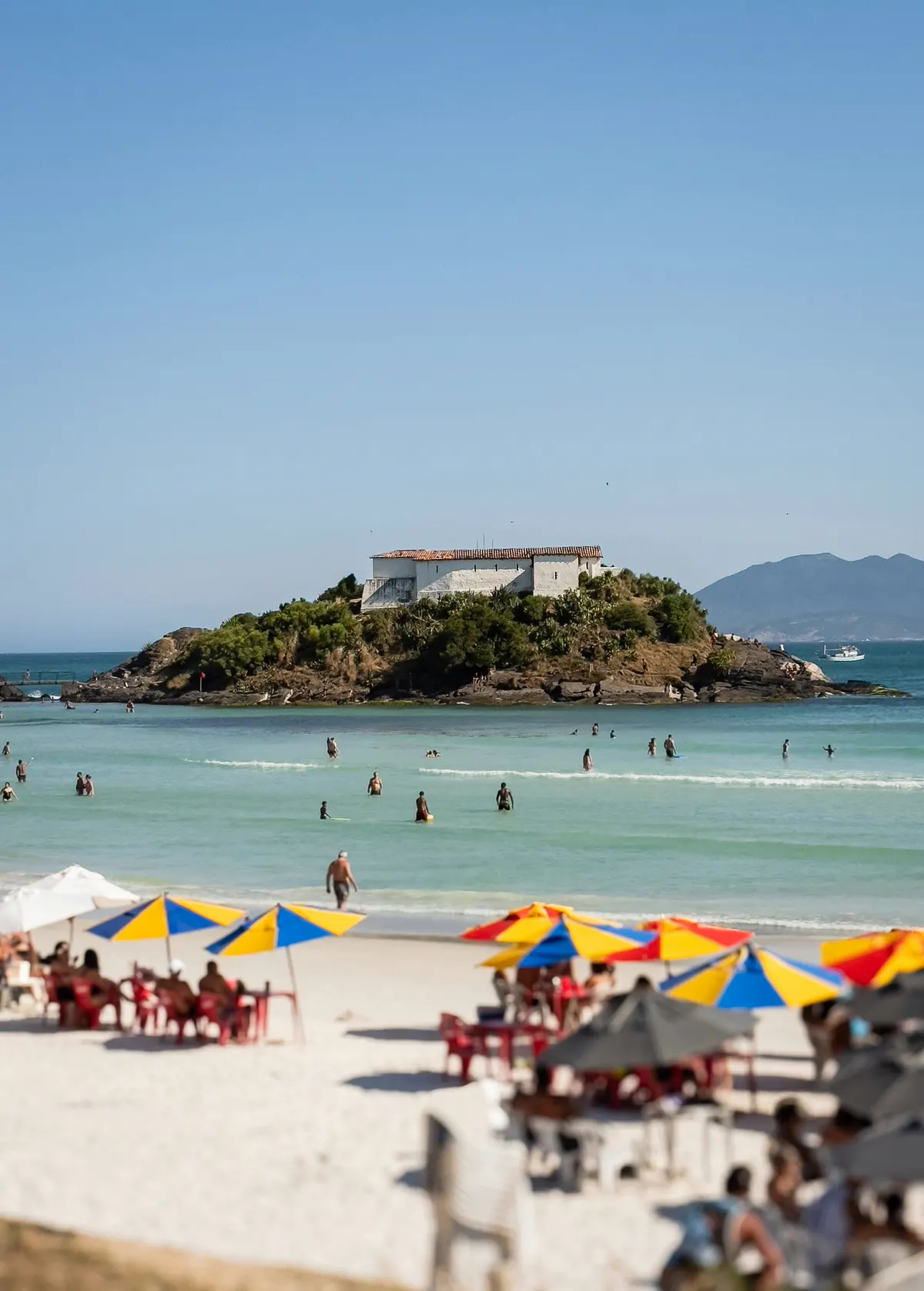
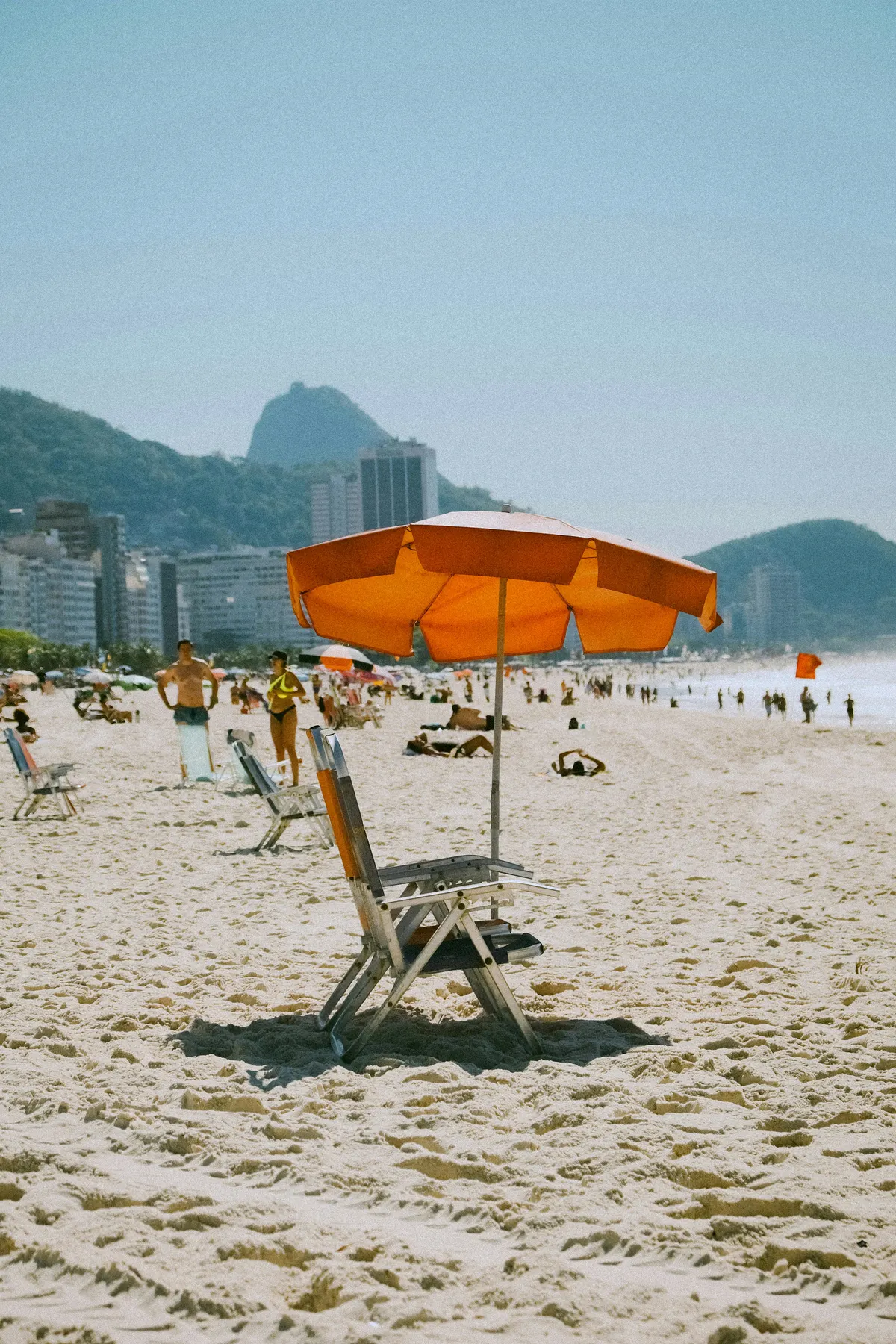
In 2024, tourist movement during Holy Week showed the growth of short-distance tourism across the region. In Brazil, interest in domestic destinations generated more than 420 million searches on platforms such as Omnibees, with emphasis on coastal cities and large urban centers. In Mexico, more than 12 million people traveled during the period, generating about 275 billion pesos in spending. In Argentina, more than 3.2 million travelers moved within the country, reinforcing the strength of domestic tourism in different Latin American markets.
The data reinforce the advance of the staycation in Brazil, especially during Holy Week. According to the Ministry of Tourism, the most searched cities in 2024 were Rio de Janeiro (149 million searches), São Paulo (80 million), Búzios (46 million), Porto Seguro (26 million) and Maceió (25 million), destinations that combine rest, culture and accessible leisure, without the need for long journeys or air travel.
The trend is also advancing in other markets, such as Colombia. In cities like Bogotá, Medellín, Cartagena and Cali, hotels and local establishments have been betting on weekend packages with gastronomic, wellness and cultural programming. The proposal is to attract residents who want to enjoy their free time without leaving their own urban environment.
More than rest: conscious consumption and new ways to reconnect
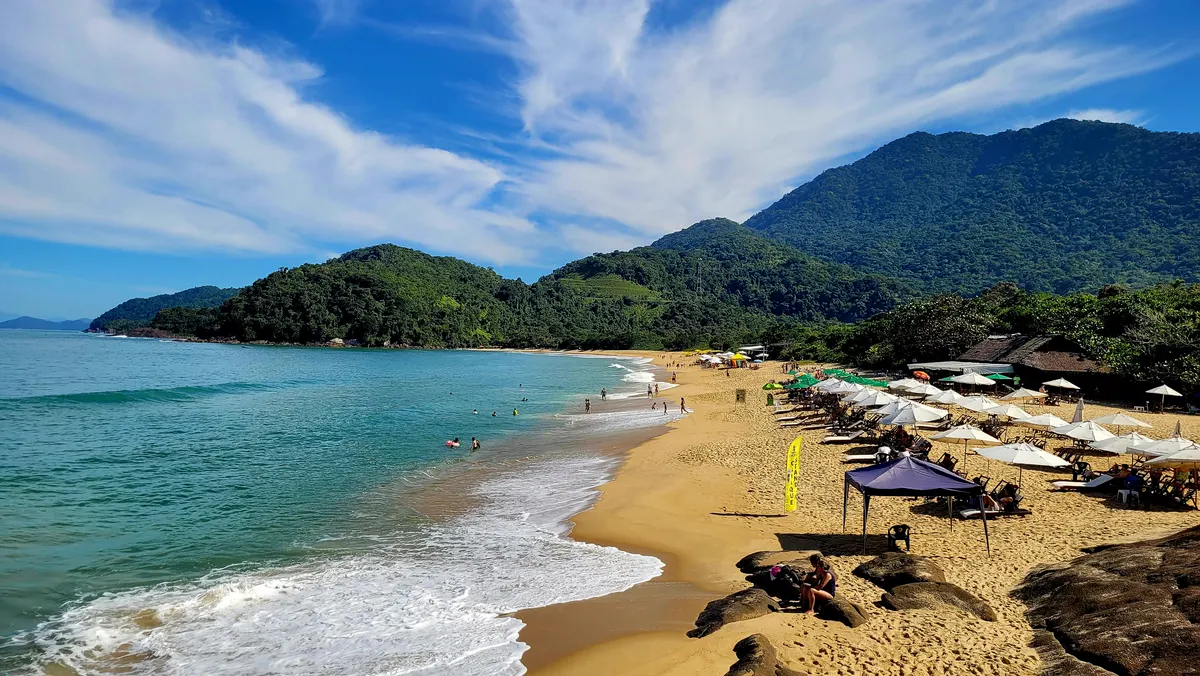
More than an alternative to traditional tourism, the staycation has stood out for the benefits it offers both travelers and the local economy. From an economic standpoint, it reduces transportation and logistics costs, making leisure more accessible and stimulating spending in sectors such as hospitality, gastronomy and entertainment. In the cultural aspect, it encourages rediscovering one's own city and strengthens the appreciation of local heritage. In the environmental field, it contributes to reducing carbon emissions by avoiding long trips, promoting more sustainable tourism practices.
For Kauana Neves, the staycation represents not only a change in behavior, but also an opportunity for the tourism sector to reinvent itself. In a scenario where many travelers prefer to avoid crowds and long journeys, demand grows for more intimate and personalized experiences. “Interest in rural tourism is also growing, especially in regions close to nature. The search for digital disconnection has motivated many people to choose stays in country houses, chalets or properties in green areas,” she says.
With another extended holiday arriving in Latin America, the staycation is consolidating as a viable, versatile alternative aligned with new travel habits. After all, it is not always necessary to go far to rest. Sometimes, all it takes is rediscovering what is nearby.