
Costa Rica Immersion: Best Practices to Boost Sustainable Tourism in Brazil

· Updated · 3 min read
Translated with AI assistance.Read the original in Portuguese
From May 24 to June 1, a group of 18 entrepreneurs, travel agents and public managers had a transformative experience: the Missão Técnica Empresarial Internacional Costa Rica 2025. The initiative by Sebrae Mato Grosso do Sul, through the Polo Sebrae de Ecoturismo, curated and executed by Lab Turismo Consultoria, focused on immersion in excellence experiences in tourism and sustainability.
Over eight days, the Brazilian participants immersed themselves in carefully selected itineraries designed to show how Costa Rica — a global reference in nature tourism — integrated public policies, business innovation and community engagement to build a tourism model grounded in environmental conservation and territorial development.
Telcio Barbosa, technical analyst at Sebrae-MS, explains the premise of the trip: “The Costa Rica mission was designed to bring about a transformation in the participants — not only in terms of technical knowledge, but mainly in their vision of tourism's role as a force for sustainable development. We want these experiences to inspire new paths and solutions in the territories where these leaders work.”
The journey began in the capital San José, where the group got acquainted with accessibility and cultural tourism initiatives, and visited the Costa Rican Tourism Institute (ICT), which presented the country's national strategy for sustainable positioning and the CST seal (Certificação em Sustentabilidade Turística).
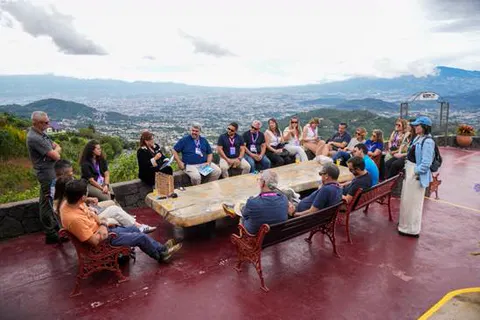
Working session at Mirador Ram Luna, in San Jose – Photo: Lab Turismo
From rafting to conservation: practices that make an impact
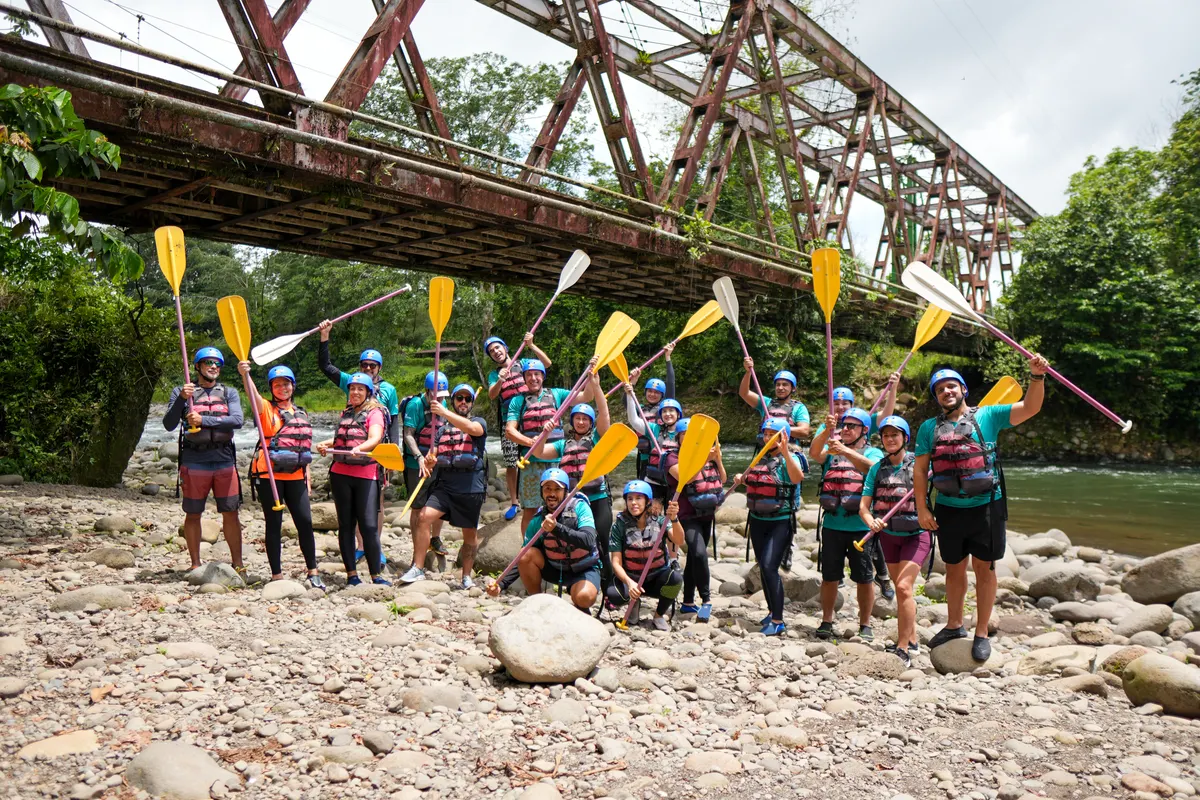
In Sarapiquí, a region once marginalized and today a reference in adventure tourism, participants experienced the exemplary operation of a certified rafting company and visited the La Tirimbina Reserve, where ecotourism funds science and environmental education.
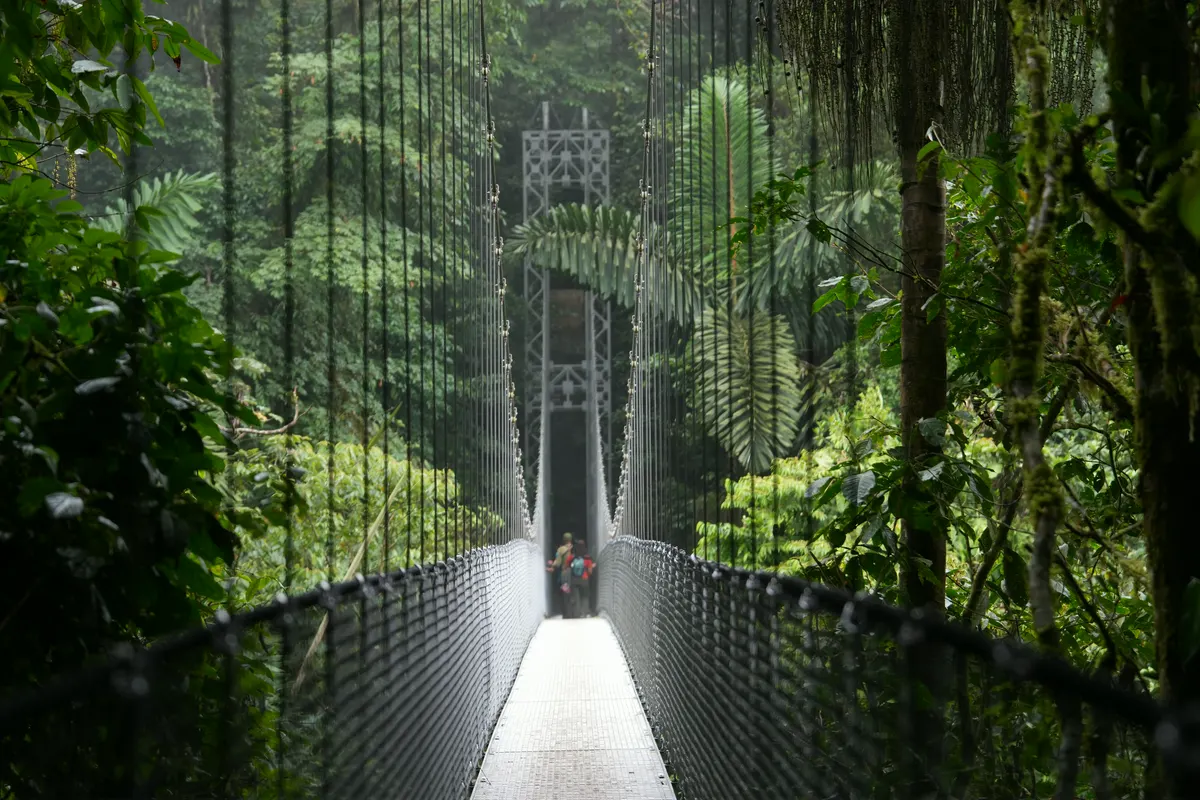
La Fortuna, around the Arenal volcano, was another highlight of the mission. There, experiences such as Arenal Mundo Aventura and Mistico Park demonstrated how indigenous culture, trails, suspension bridges and biodiversity can be integrated with excellence into the tourism offering. The visit to Tabacón Thermal Resort & Spa revealed how high-end properties can also adopt robust sustainability practices.
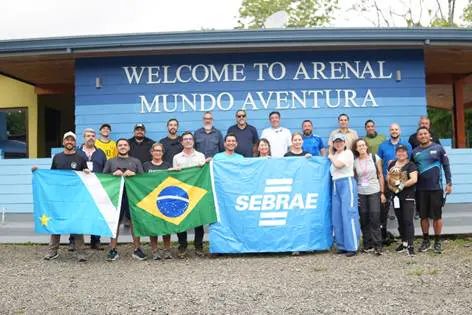
Participants enjoy an experience at Arenal Mundo Aventura – Photo: Lab Turismo
“For the entrepreneurs and participants of the mission, this immersion not only sparks new ideas and opportunities for improving their businesses, but also reaffirms the value of what they already do in Brazil — with so much quality, authenticity and purpose. It is a movement of exchange, learning and recognition that further strengthens our tourism,” said Thaís Pichi, projects director at Lab Turismo Consultoria.
Monteverde: where the cloud forest inspires innovation
The final stage of the mission took place in Monteverde, one of Costa Rica's most iconic destinations. Through experiences such as Koora Hotel, Refúgio Monteverde and Reserva Santa Elena, the group saw tourism models that combine personalized service, environmental conservation and community management.
The group also had contact with social projects such as the Santa Elena women artisans' cooperative and El Trapiche Tour, which reveals the artisanal process of coffee, cocoa and sugarcane on small family farms.
To close, participants visited the San Lucas restaurant, led by visionary Rodrigo Valverde, where gastronomy is used as a storytelling tool to tell the story of Costa Rica.
On the last day, an emotional roundtable marked the close of the mission. Each participant shared their learnings and reflections, consolidating the knowledge gained as seeds for new projects and attitudes in Brazil.
“More than a technical visit, the Missão Costa Rica 2025 was a reconnection with the values of tourism as an agent of social, environmental and economic transformation. A journey that sparked ideas, strengthened purposes and opened paths for Brazilian tourism to keep advancing with awareness, innovation and sustainability,” said Richard Alves, executive director of Lab Turismo Consultoria.