
Coldest Season of the Year Brings Snow, Ipê Blooms and Whale Watching

By Julia Paiva
· 4 min read
Translated with AI assistance.Read the original in Portuguese
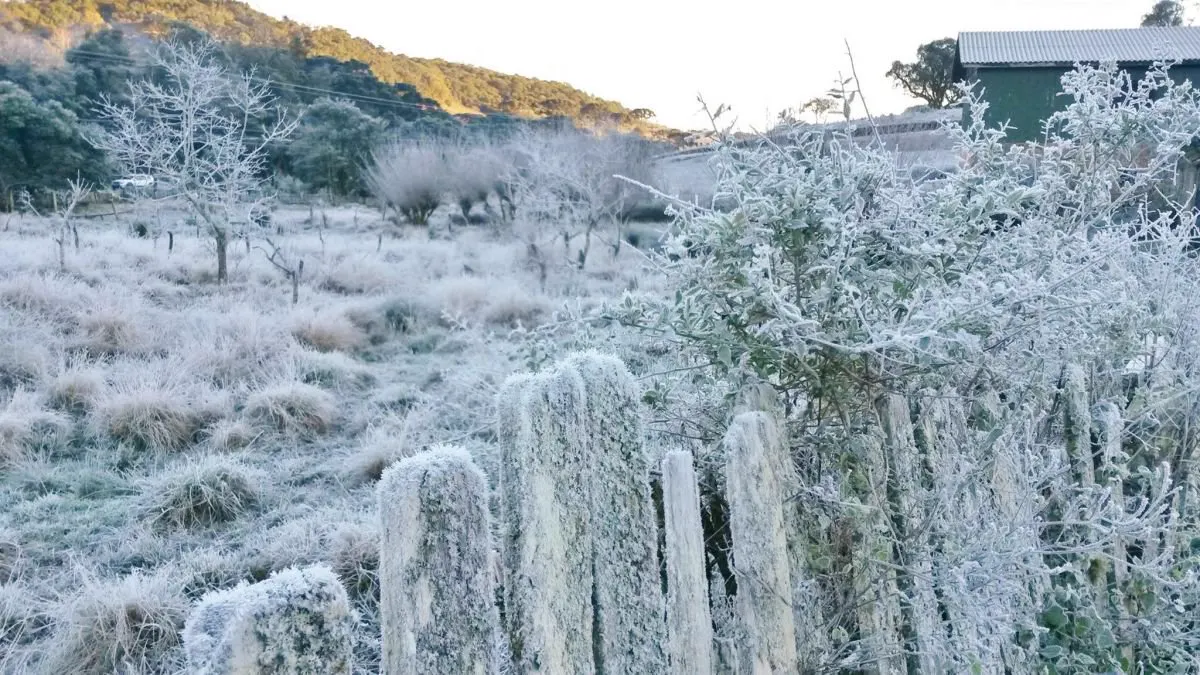
Check out the main changes observed in nature with the arrival of winter in different regions of Brazil
Winter has arrived, and with it the days grow shorter and the nights longer. But do you know some of the characteristics of Brazil's regions during the coldest season of the year?
Snow
It is not common, but it is possible to find snow in Brazil. More frequent in countries of North America and Europe, these ice flakes form in places with temperatures near or below zero degrees, without wind and with little humidity, characteristics of the subtropical climate of the South of the country. The scenario becomes even more favorable at high altitudes and high latitudes, in mountain towns in Paraná, Santa Catarina and Rio Grande do Sul.
Wildfires and Blooms
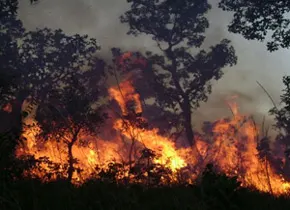
Considered the savanna richest in biodiversity in the world, the Cerrado transforms during winter. "With the drier season and milder temperatures, we observe some animals retreating, mainly reptiles and amphibians, which wait for the return of the rains to reproduce. Even birds and mammals move around the Cerrado less during the winter months," explains biologist Reuber Brandão, professor at the University of Brasília and member of the Network of Experts in Nature Conservation.
According to him, wildfires can be observed during the season, mainly in the driest and hottest months – between August and September. During this period, the fire is more intense, reaching larger areas and posing a risk to animals, especially those that cannot "burrow," such as anteaters.
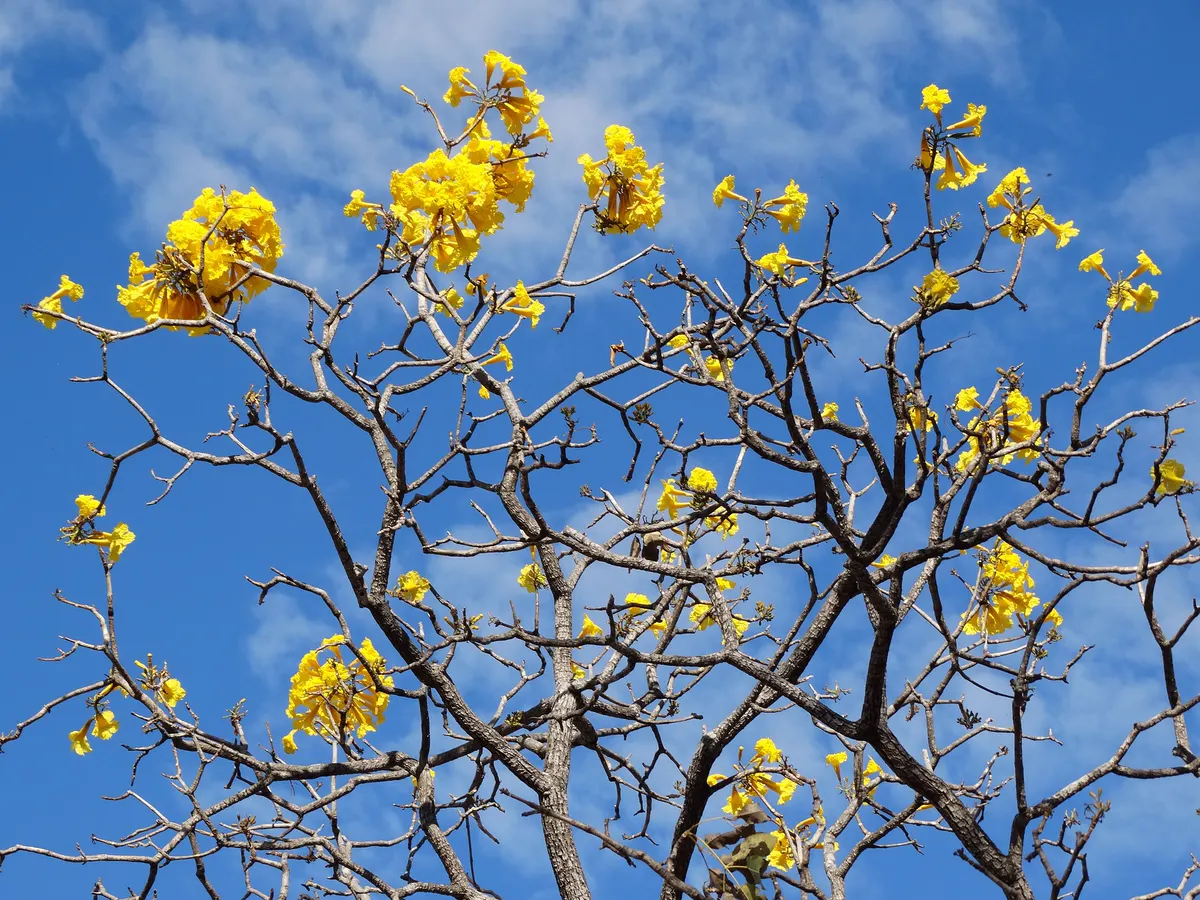
Another phenomenon that draws attention at this time of year is the blooming of some Cerrado trees. "Purple, yellow and pink ipês flower in August and September and indicate, together with the arrival of the tesourinhas, that the drier period is ending," the specialist concludes.
Whale Visits
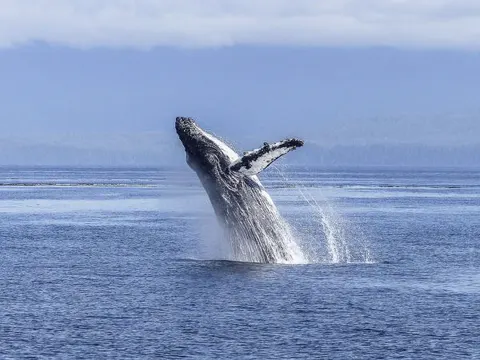
Between July and November, the Brazilian coast receives visits from humpback and southern right whales. "During winter, whales migrate to tropical and subtropical waters and approach the country's coast to reproduce. In summer, they return to polar waters to feed," says Janaina Bumbeer, Environmental Projects analyst at the Fundação Grupo Boticário de Proteção à Natureza.
These mammals can be seen at various points across the country. It is more common to observe humpback whales at Abrolhos Marine National Park, on the coast of Bahia. In winter and spring, the region serves as a nursery for the largest group of humpback whales in the world. Southern right whales, meanwhile, concentrate in the state of Santa Catarina. The Baleia Franca Environmental Protection Area was created in 2000 precisely to preserve the species' habitat and organize tourism and research activities. "Whales can be spotted both in the North and the South of Brazil. But observation must be done without interfering with the animals, so as not to impact the species' development," Janaina emphasizes.
Flooded Regions
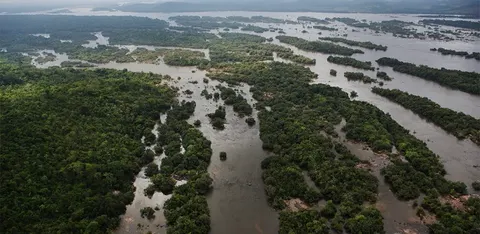
Located predominantly in the North of the country, the Amazon region receives practically the same amount of solar energy throughout the year, so the seasons do not show much variation. Only a wetter and a drier period can be observed. Between June and September it rains less; however, the excess rain of previous months causes the rivers to fill up, reaching the top of the trees, which facilitates navigation and changes the landscape, creating more suitable conditions for tourism. The drier climate also favors rising temperatures, which makes this season hotter than summer itself.
Animals in Sight
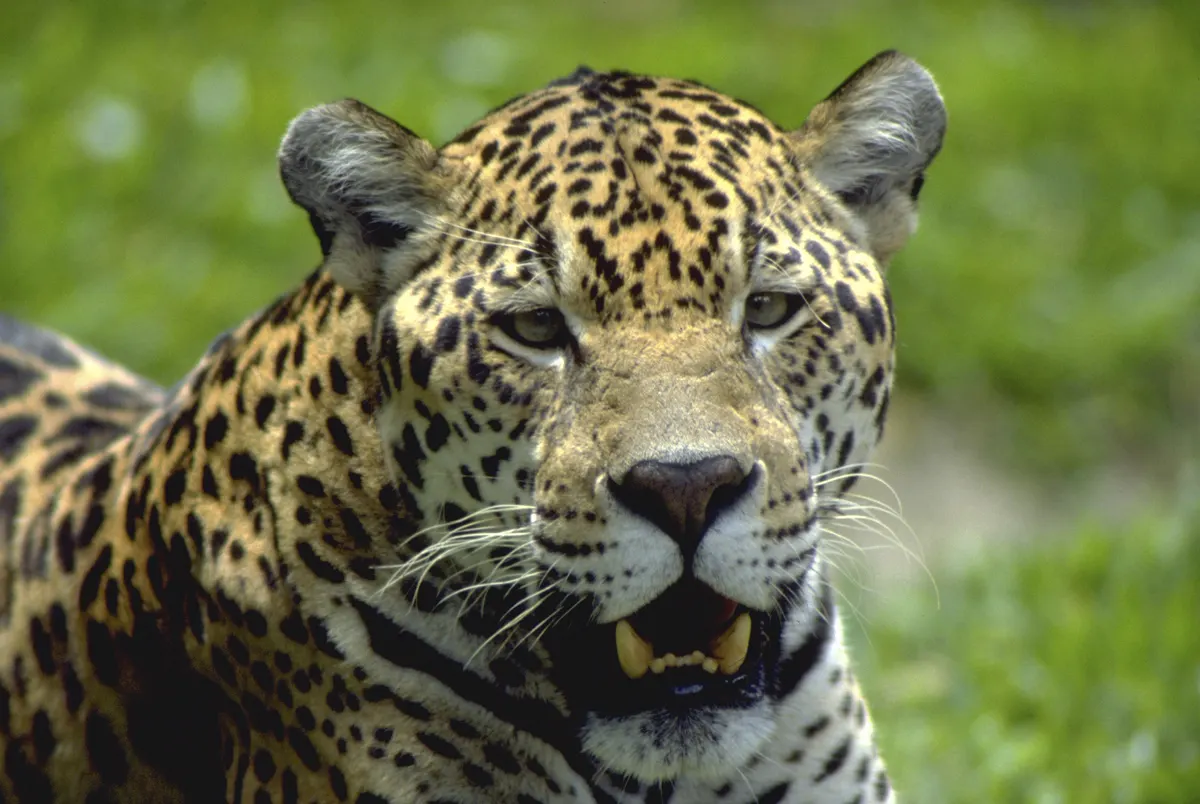
Unlike the Amazon, which remains flooded in winter, in the Pantanal the water level of the rivers tends to drop at this time of year. As a result, the region's animals become more visible, such as capybaras, caimans, birds, monkeys and even the jaguar. The low water volume also allows the traditional boat trips to observe the biome's fauna and flora.