
Cold Brew Trend Arrives in Brazil with Moose

· 3 min read
Translated with AI assistance.Read the original in Portuguese
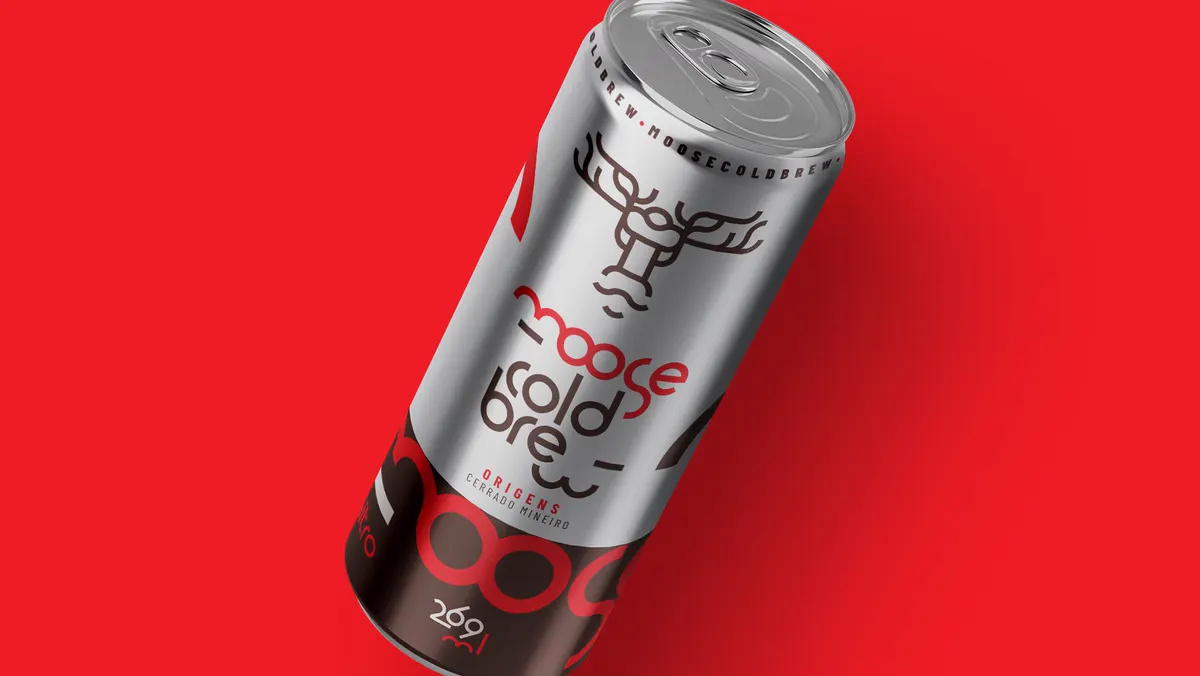
A Japanese invention hugely popular in Asia, canned coffee has been gaining ground in Europe and North America in recent years and now arrives in Brazil with the launch of Moose Cold Brew: a cold-extracted coffee beverage made through an artisanal process.
The category is already considered the next big trend in the beverage market, and the chilled, ready-to-drink format fits Brazilians' new consumption habits, the country's tropical climate and the demand for more natural products containing caffeine, which is expected to grow 2.8% next year, according to a Euromonitor survey commissioned by Ball.
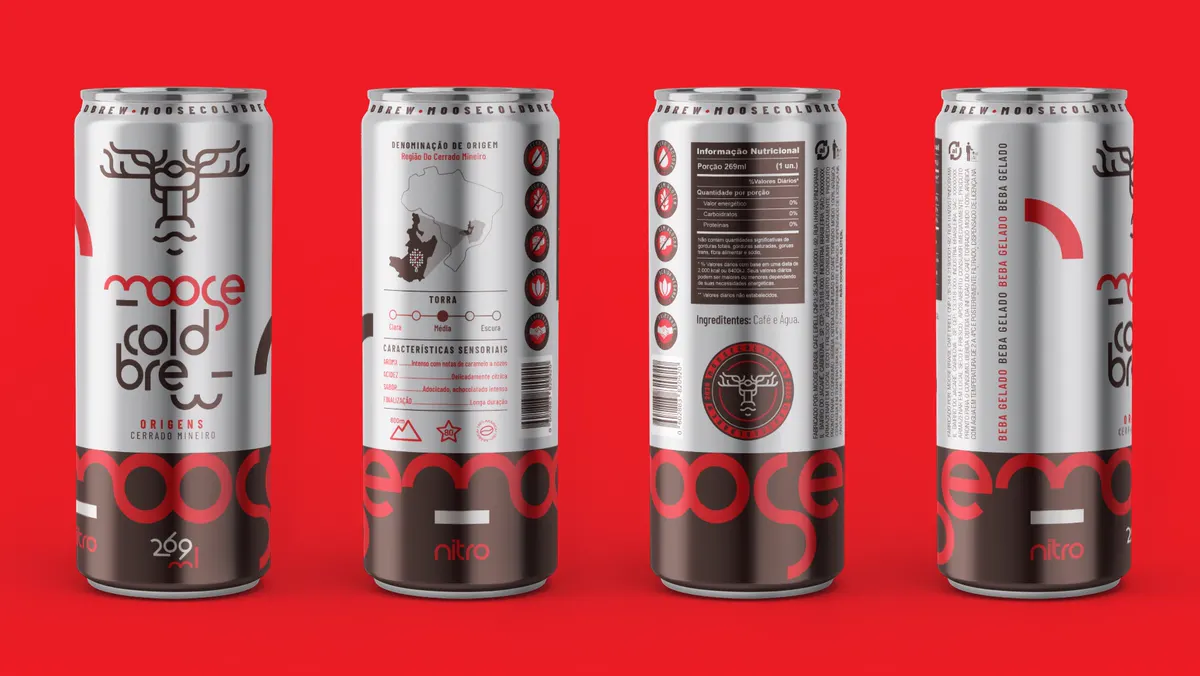
Moose's product features the well-defined characteristics of Cerrado Mineiro coffee and takes 18 to 24 hours to extract the liquid after the coffee is steeped in water. This process yields a lighter result with a sweet flavor, even though the only ingredients are coffee and water, sealed in an aluminum can, the most sustainable packaging option among beverages. This new consumption format is already a reality and is gaining more and more ground in a market seeking more natural, low-calorie energy drinks.
The company behind the aluminum can that protects the coffee's flavor from UV rays is Ball Corporation, a global leader in sustainable aluminum packaging and a pioneer in launching new beverage categories in cans. The company is a forerunner in categories beyond wine, such as cocktails, hard seltzer and canned water and, according to Hugo Magalhães, Marketing and New Business Director at Ball for South America, the arrival of canned coffee in Brazil is similar to the launch of the canned wine category.
“In 2019, Ball produced about one million cans for wine destined for the Brazilian market, and within a year that number grew more than 15-fold. We estimate that a similar significant growth will occur with canned coffee in a few years,” says Hugo. On the combination of coffee and the can, he adds: “South American consumers follow this international trend of seeking beverages that provide energy in an alternative way, and canned cold coffee comes to meet that need. We also see a growing demand for products that embody sustainability, which is the case of Moose, packaged in an aluminum can, the most sustainable packaging in the beverage chain.”
The can has always been considered by Gabriel Adamo, founder of Moose, the perfect package. Besides being practical and secure, the can chills faster, aligning with production carried out entirely cold, preserves the flavor without interference from light, and is the most environmentally friendly option since, if properly discarded, it returns to shelves as a new can within 60 days.
“Moose was born after a trip to the United States, where we noticed that Americans viewed canned coffee as a natural energy drink. The beverage seemed like a good fit for Brazil right away, considering the country is one of the largest coffee producers and consumers in the world, and these impressions were later confirmed by research,” explains Gabriel Adamo. “We sought out Ball Corporation because of the company's pioneering role in launching categories like canned wine and water, and its innovation,” he adds.
Moose's canned coffee, the first in Brazil in this packaging, can be found on Moose's own website and at VADELATA Store, Ball's e-commerce site focused on canned beverages, as well as at Marukai, a store specializing in Asian products in the Liberdade neighborhood, and Koa Food Market Itaim, both in São Paulo.
Soon, the novelty will also be available in more than 130 units of the Pão de Açúcar supermarket chain across Brazil.