
Campeche Island Installs Solar Panels for Clean, Renewable Energy

By Julia Paiva
· 5 min read
Translated with AI assistance.Read the original in Portuguese
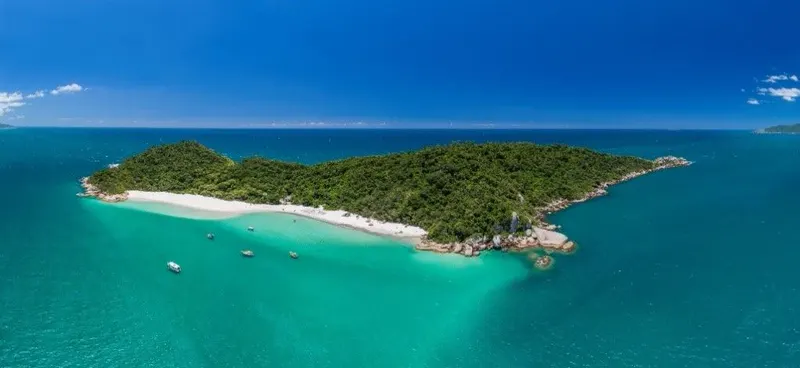
With Intelbras's technology solution, Campeche Island stops releasing 4.2 tons of carbon dioxide into the atmosphere each year
Campeche Island, located in the south of Florianópolis/SC, now has clean and renewable energy. The Couto de Magalhães Association for the Preservation of Campeche Island (ACOMPECHE), which helps conserve the historical, cultural and environmental heritage of the site, is using photovoltaic panels from Intelbras , a Santa Catarina-based technology developer; the solution was installed by fellow Santa Catarina company Setta Sul – Sustainable Solutions. With the new energy source, use of the diesel generator has been practically eliminated, and the project will stop releasing 4.2 tons of carbon dioxide into the atmosphere each year.
ACOMPECHE had a photovoltaic system that supplied part of the island since 2006, but the equipment became outdated as technology in the sector evolved. As a result, the search for a solution capable of efficiently serving the entire island began at the end of 2019, and in the meantime, power generation was provided by a diesel generator. After a market survey of suppliers, the association chose the solar energy solutions available in Intelbras's portfolio, a company that invests in sustainable expansion through photovoltaic solutions, thereby contributing to building a cleaner and more sustainable planet.
For Fabio Antônio Fernandes, who is responsible for the day-to-day care of the Association, the improvement brought by the photovoltaic solution is very noticeable. “For us, it is a dream coming true. Now we will keep the entire island supplied with solar energy,” says he, who has lived in and cared for the site since 2018. “Besides the environmental benefits and no longer having the noise of the old generator, we will be able to save money, have more security and invest in maintenance equipment to further refine the place,” he concludes.
Diesel, which was the main energy source before the new solar panels were installed, has been considerably reduced; it is only used occasionally when there are many consecutive days of rain and/or little sunlight.
“Food storage, lighting and site security were compromised because we used the diesel generator for only a few hours a day, so the island was completely dark and without power at night. Now, thanks to the solar panels, we have 24-hour lighting, can keep perishable food and use electronic equipment,” says Fábio. “This solution adds to the many ecologically correct practices of ACOMPECHE, such as a vegetable oil depot, battery collection and proper waste separation, making it one more sustainable point in our activities,” he says.
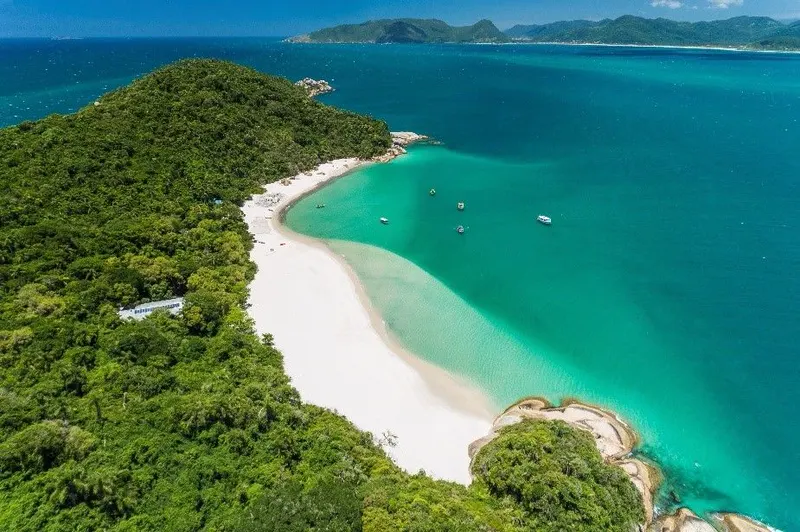
Beyond the environmental benefit, the solar solution has also brought financial savings, since the monthly cost of the energy system is lower than the amount previously spent on the diesel generator. With the money saved, ACOMPECHE is making internal improvements and acquiring equipment that supports maintenance and conservation of the infrastructure.
“This paradisiacal place is more than a tourist spot for me; it is where I live every day, it is my home, and I take care of it as such. Seeing the concern of large companies such as Intelbras for the sustainable development of spaces like this is inspiring,” says Fernandes.
Check out MídiaTuris's coverage of Campeche Island
Campeche Island was listed as a National Archaeological Heritage Site in the 2000s and has records of occupation by primitive tribes who lived more than 5,000 years ago in this paradisiacal territory. Since 1940, ACOMPECHE has helped conserve the historical, cultural and environmental heritage of the site, which also serves as a support point for tourists and researchers who land in the region.
The technology
Most of the equipment used on the island is from Intelbras, which launched its line of photovoltaic solutions in 2019. The solution is made up of 18 solar panels, with a power of 5.94 kWp, and three charge controllers. Storage is provided by 48 batteries. During the night, when there is no sunlight, the battery bank, which charges in three hours, keeps the grid running normally. In addition to supplying electricity, the solution also powers equipment such as refrigerators and freezers.
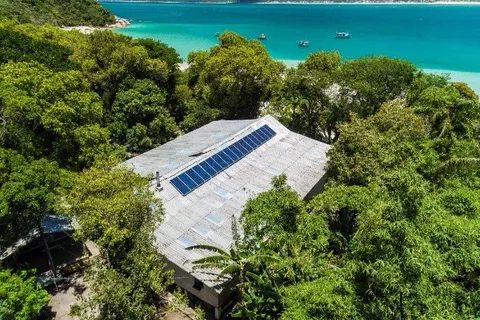
The installed system is Off Grid, a format used in locations without public power grid supply, meaning the equipment operates autonomously and is ideal for areas far from established electrical networks. With it, the energy produced is stored in batteries to guarantee supply during periods without sun and at night.
“Respect for the environment and the pursuit of technological solutions that generate clean and sustainable energy are part of Intelbras's values. Solar energy emits no pollutants and is silent. It is very rewarding to see our solar solutions in use on Campeche Island, an ecological paradise in Brazil,” says the Director of Energy Unit at Intelbras, Márcio Osli. “We are sure that the benefits generated by clean and sustainable energy are crucial for preserving this important piece of nature,” he concludes.
Next steps
Tourism on Campeche Island was interrupted due to the novel coronavirus pandemic, but the expectation is that the tourist experience will be even more pleasant when activities resume. The site can receive up to 800 visitors per day, who may stay on its paradisiacal beach for up to four hours.
To enjoy the pleasures of the place for longer, it is possible to become a member of ACOMPECHE. The association has accommodations prepared to host up to 70 people, which is the only way to spend the night on site. The membership fee is entirely applied to actions aimed at the cultural, environmental and historical preservation of the island.