
Amapá Launches State Tourism Plan and Tourism Marketing Plan

· Updated · 2 min read
Translated with AI assistance.Read the original in Portuguese
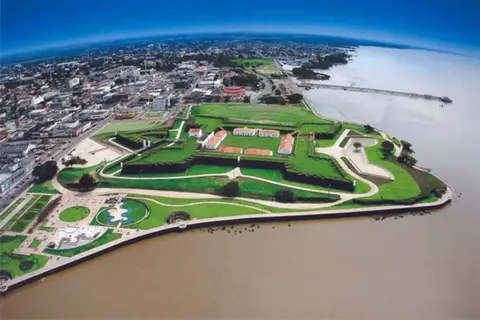
During the 54th Expo-Feira do Amapá, held last Saturday (06), the State Government, through the Secretaria de Estado do Turismo (Setur-AP), presented the State Strategic Tourism Plan and the Amapá Tourism Marketing Plan. The documents were prepared with technical coordination from Lab Turismo Consultoria and Thiago Akira Consultoria, using the Maptur methodology – Strategic Map for Tourism Management, which ensures participatory planning aligned with the territory's vocations.
With exuberant nature, unique biodiversity, majestic rivers and a culture shaped by the strength of its people, Amapá holds a natural and cultural heritage that places it among the most promising destinations in the Brazilian Amazon. Tourism emerges as a strategic opportunity to generate jobs, income and sustainable development, but it requires planning and management to turn this potential into concrete results.
The State Strategic Tourism Plan was built to guide the medium- and long-term actions of the sector, defining priorities, goals and governance strategies, always based on social participation and alignment with the territory's vocations. The Tourism Marketing Plan complements this work, providing guidelines for promoting the destination, building a competitive identity and positioning Amapá in domestic and international markets.
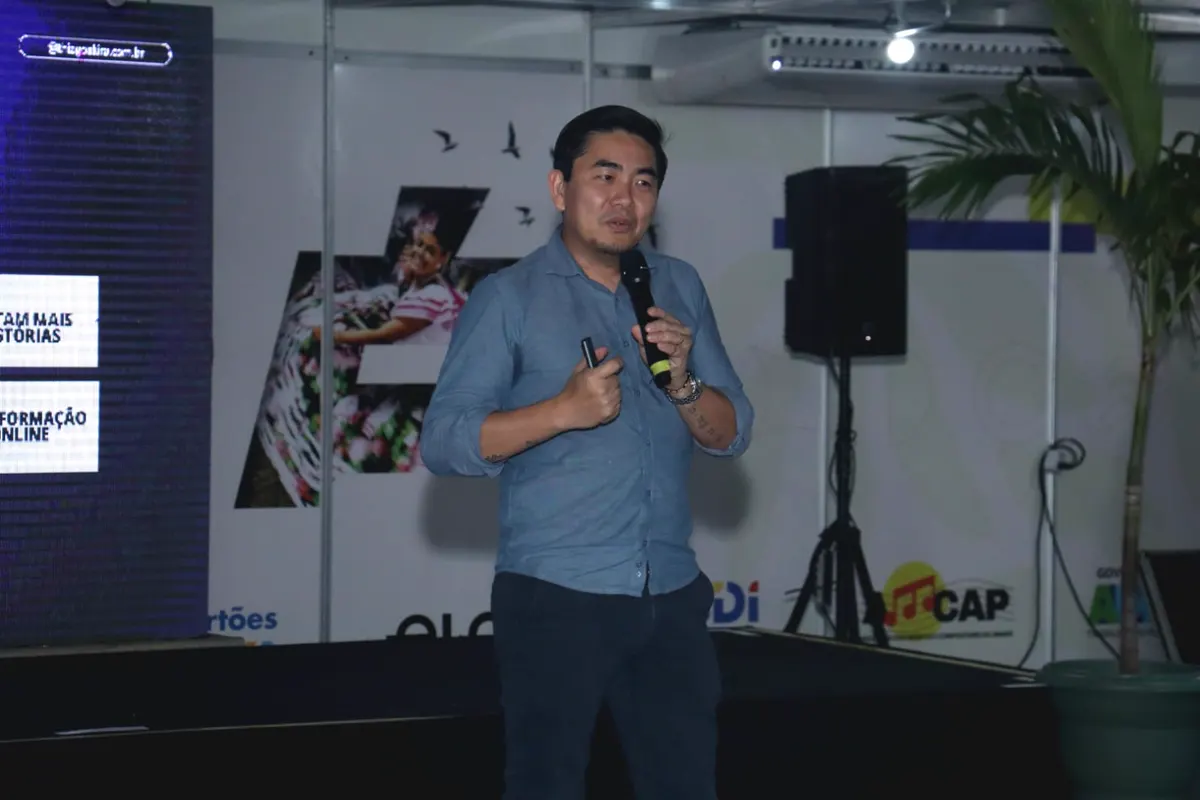
According to the technical leads, the two documents complement each other: while the Strategic Plan outlines the path to be followed, the Marketing Plan is the tool to communicate, promote and enhance Amapá as a differentiated destination.
“We are launching a new cycle for Amapá’s tourism, one that honors what has already been achieved while projecting the future with identity, strategy and sustainable planning,” said Richard Alves, executive director of Lab Turismo Consultoria.
“The Amapá Tourism Marketing Plan presents the concept ‘Authentic Amazon,’ highlighting the strength of Afro-Indigenous culture, community-based tourism, the relationship with nature and a vibrant gastronomy. With a five-year horizon, the initiative seeks to establish the state as a reference for travelers seeking authenticity, ancestry and transformative experiences,” said Thiago Akira.
This launch reinforces the importance of uniting public managers, the private sector, entrepreneurs and community leaders, building stronger governance aligned with regional development goals.