
5 Reasons to Explore Jamaica's Beauty in 2022

By Julia Paiva
· 3 min read
Translated with AI assistance.Read the original in Portuguese
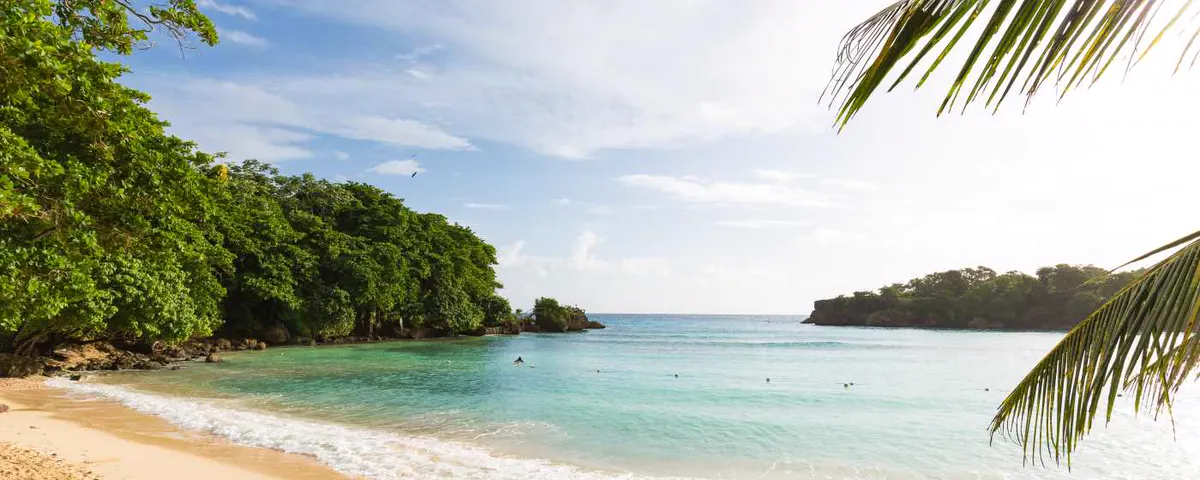
The Jamaica Tourist Office invites Brazilians to explore some of the island's must-see attractions in the second half of this year.
Jamaica's rhythm is reflected in its green hills and even in the waves of its waters, which vary in shades of blue. The landscape is nothing short of captivating. No matter how you choose to explore Jamaica's nature, it is likely to be an experience you won't regret! Breathe the pure mountain air, play in the waves, smell the therapeutic flowers and admire exotic creatures. A trip to Jamaica is a gift for nature lovers. Where would you like to start experiencing it? Discover at least 5 reasons:
1) Crystal-clear waters
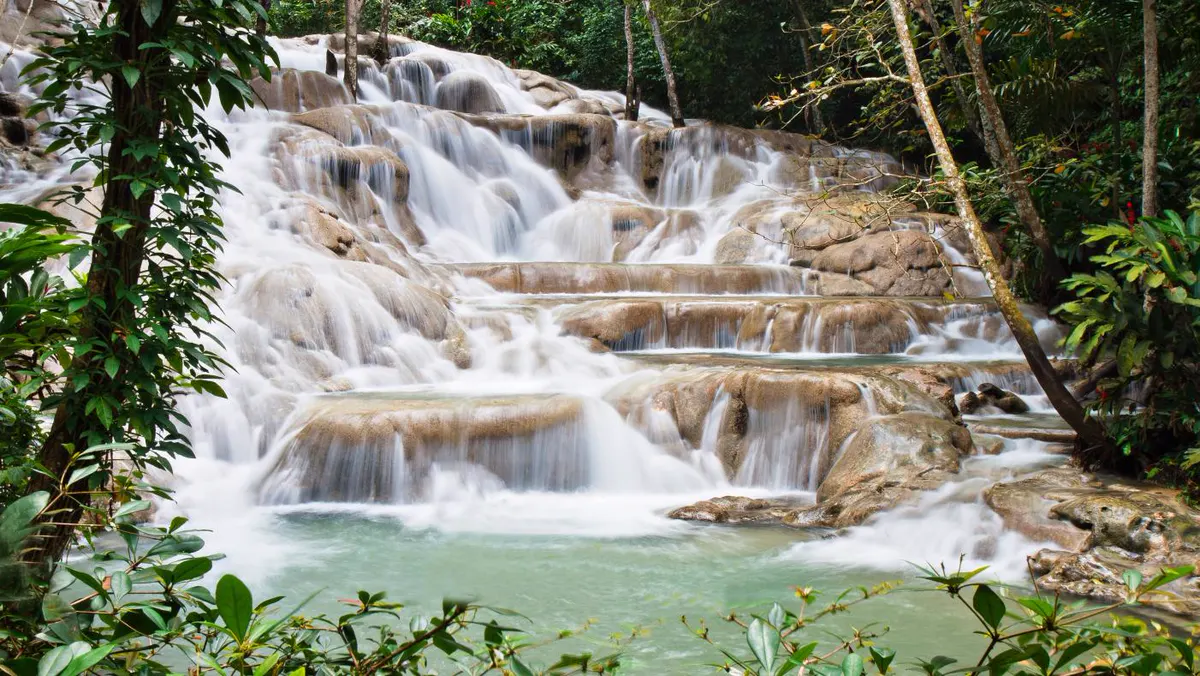
Fresh water runs through the country in varying sizes, terrains and aesthetics. The glorious waterfalls, carved over years by framed rock walls, are a spectacle to behold and often attract swimmers of all skill levels who come for a rejuvenating dip. You can see crocodiles up close as they approach the water's surface at Black River Safari in the south, climb Dunn's River Falls in the north, take a rafting trip down the Rio Grande in the east, and explore the various natural pools at Mayfield Falls in the west. At Little Dunn's River and Laughing Waters you can see how a river flows into the Caribbean Sea and spend a delightful day at the beach.
2) Gardens and diverse nature
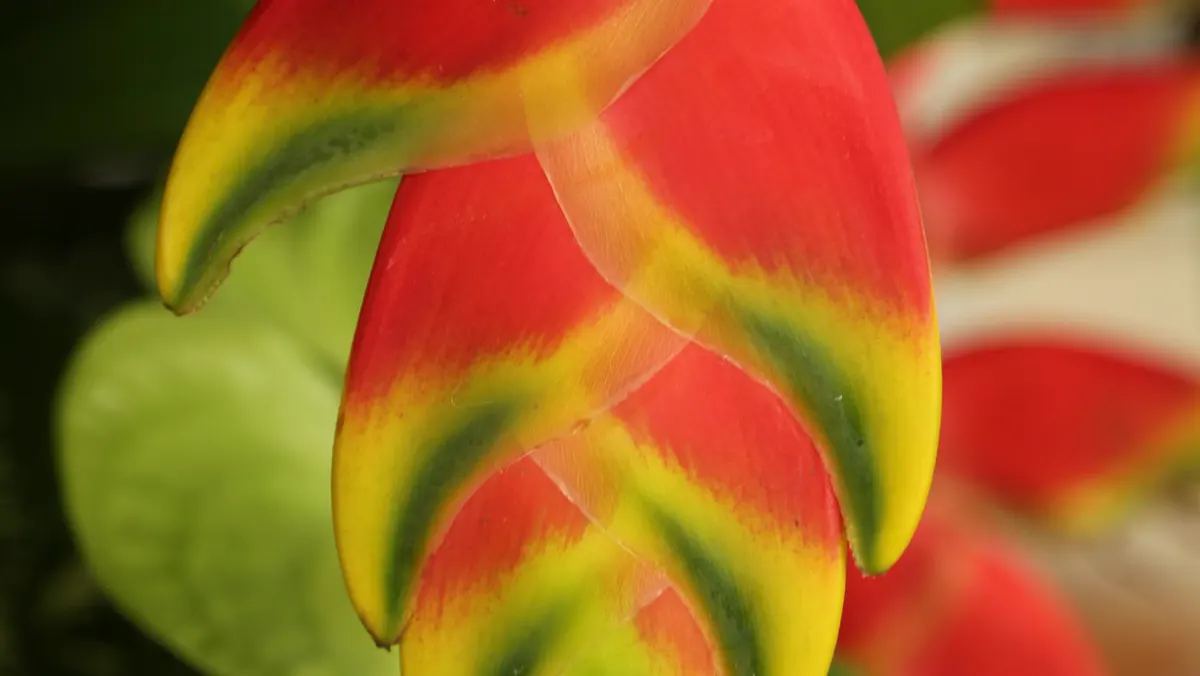
If plants fascinate you, the Jamaica Botanical Garden displays an array of attractive plants that celebrate its rich horticultural heritage. Year-round sunlight and fertile soil give rise to an abundance of plant life almost everywhere. Royal Botanical Gardens and Cinchona Botanical Gardens in St. Andrew; Hope Zoo in Kingston; Castleton Gardens in St. Mary's; Ahhh Ras Natango Galeria & Garden in Montego Bay are just a few examples of nature in full splendor.
3) Birds and colorful fauna
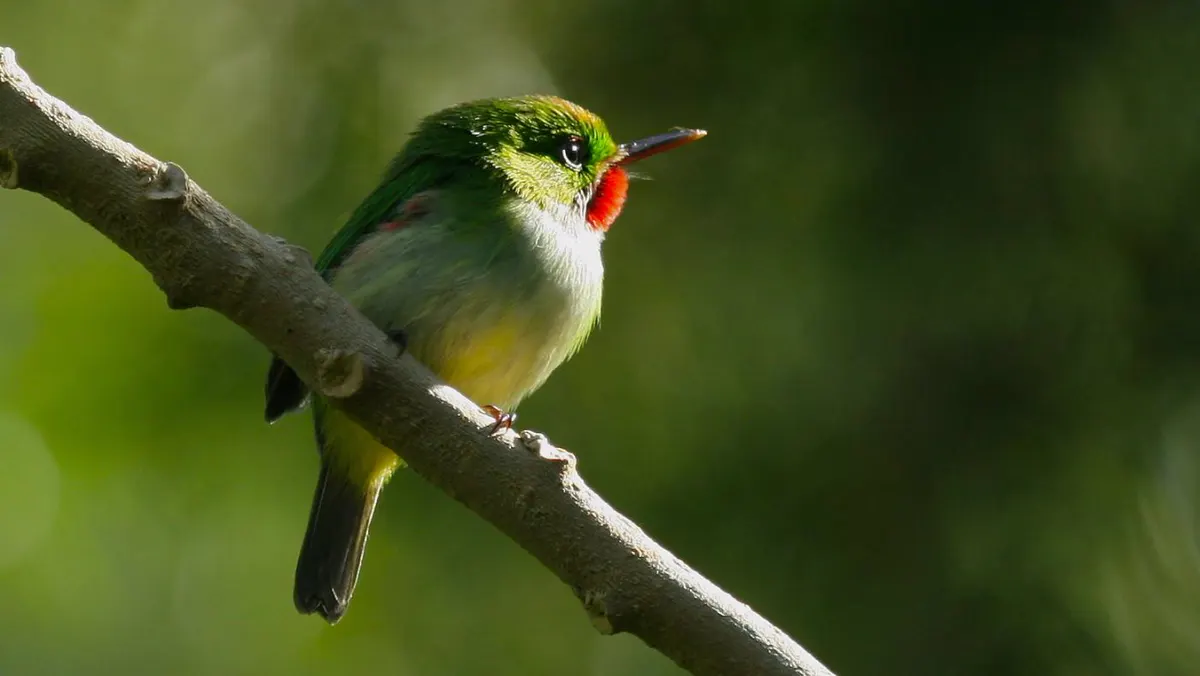
Among the island's many natural treasures is a diversity of flowering plants and wildlife, some of which cannot be found anywhere else in the world! Admiring animals in their natural habitats, protected sanctuaries, botanical gardens and zoos around the island is a unique experience. With more than 200 bird species, including more endemic ones than any other Caribbean island, Jamaica is a true paradise for birdwatchers. You can even feed its national bird, the Doctor Bird, at attractions such as Rockland Bird Sanctuary and Barney's Hummingbird Garden.
4) Many mountains
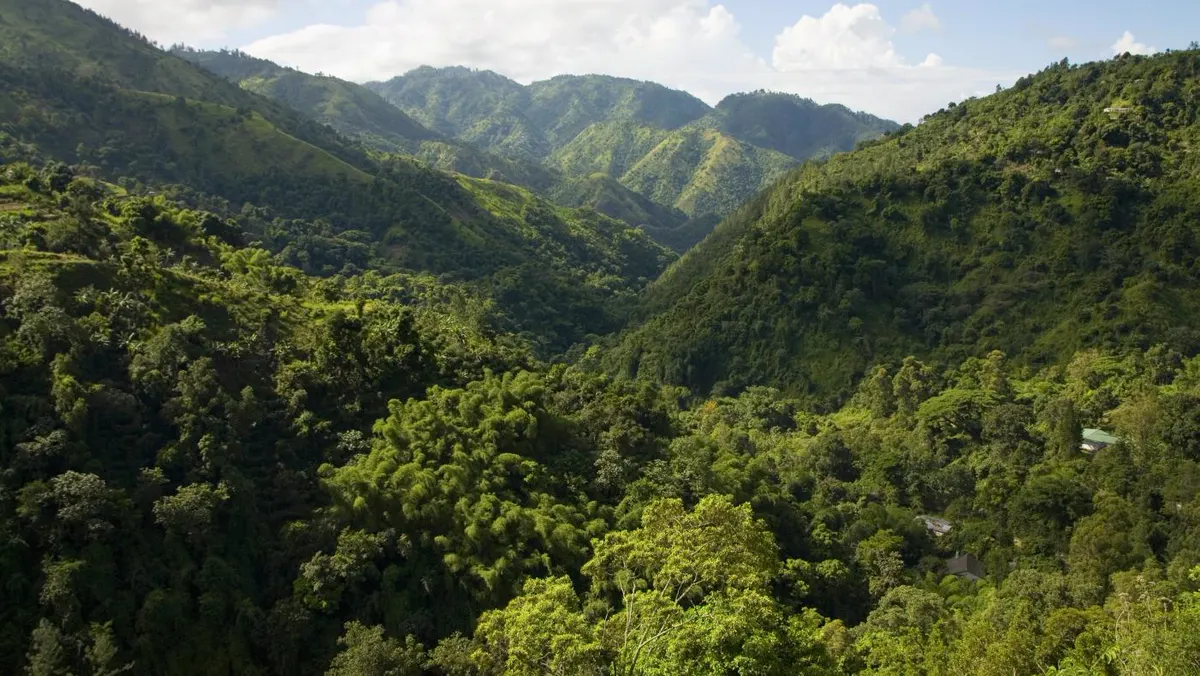
A hike through the Blue Mountains, a UNESCO World Heritage Site, or the rugged Cockpit Country will offer the best opportunities to spot endemic species of many kinds. Hiking in Jamaica is easy to access from almost anywhere; venture through the hills and valleys to see a different, greener side of the island. The mountains are covered in forests and precious flowers, many favored by numerous birds.
5) Creatures
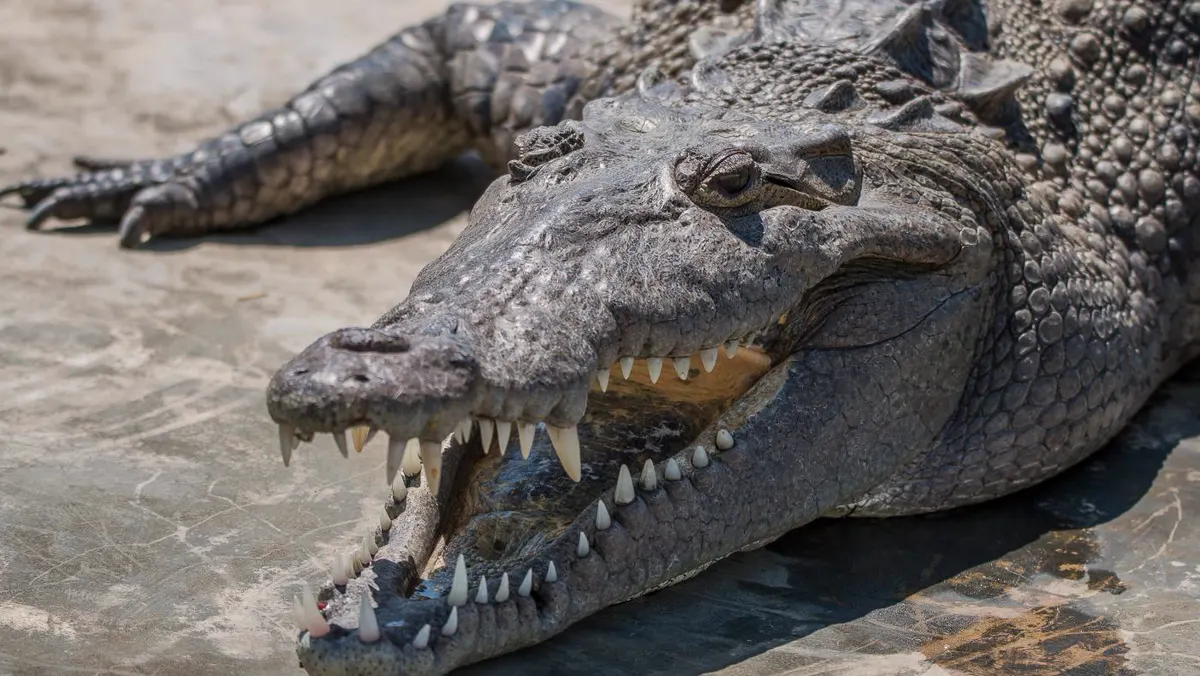
Beyond the dazzling variety of birds, there is much more to Jamaica's wildlife. Snakes, lizards, frogs, rabbits, iguanas and American crocodiles were already on the island long before the arrival of the Spanish. Lizards are easy to find, as many live around homes and gardens, feeding on insects. The rabbit (closely related to the rat and resembling a large brown guinea pig) and the iguana did not survive as well as the lizards, having fallen victim to the fierce mongoose, a species recently introduced to Jamaica from India to control rats in the countryside. The American crocodile, said to be harmless, and the manatee survive in small numbers along the south coast. In addition, there are more than a dozen different kinds of small frogs, one hundred different butterflies and 25 species of harmless bats.