
5 Adventurous Women History Forgot (But You Need to Know!)

· Updated · 4 min read
Translated with AI assistance.Read the original in Portuguese
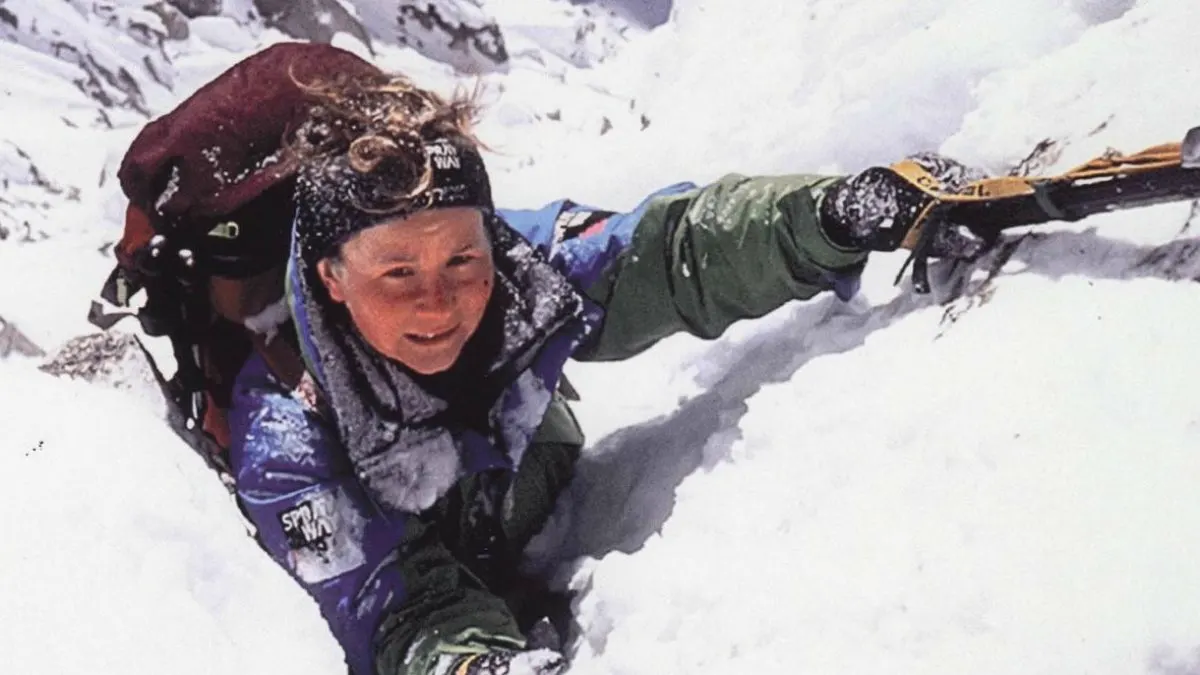
If you think travel today is challenging, imagine doing it in the 19th or 20th century, when women were discouraged from even leaving home without a companion. While names like Marco Polo and Charles Darwin made it into the history books, hundreds of brave women also explored the world – often facing more obstacles and receiving less recognition, simply forgotten explorers.
They faced not only the dangers of nature, but also the prejudice of entire societies that believed a woman’s place was at home. They traveled alone when they were told it was dangerous. They mapped unknown lands when they were told they wouldn’t understand geography. And, above all, they proved that the desire to discover the world has no gender.
Here are some of these extraordinary women who deserve to be remembered:
Mina Hubbard: the widow who became a legend in the Canadian Arctic
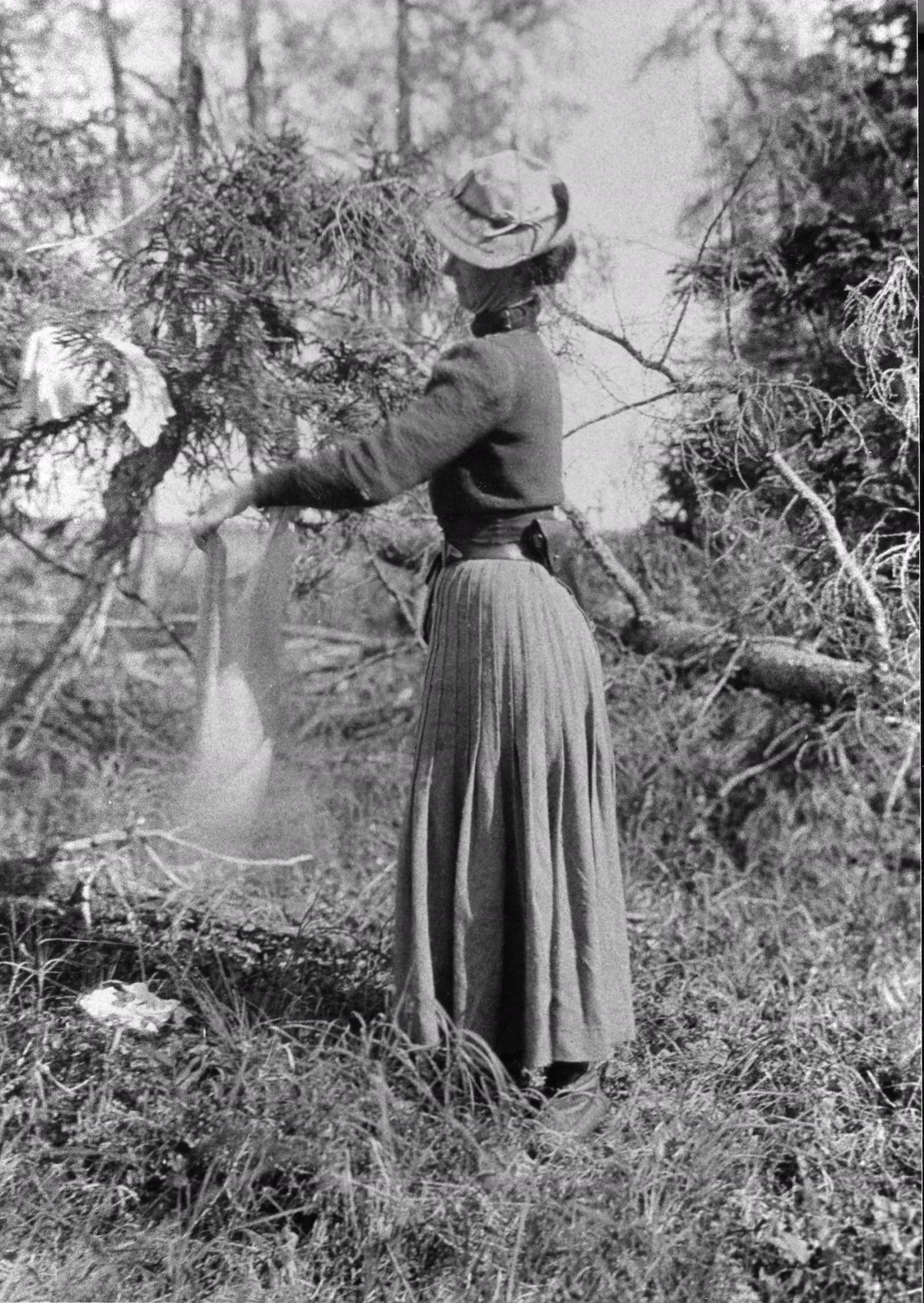
In 1905, Canadian Mina Hubbard set out on a solo expedition through the inhospitable Labrador – a region so remote that it is still rarely visited today. Her husband had died trying the same route two years earlier, but instead of giving in to grief, she set out to complete his work.
The result? Mina not only mapped one of the wildest regions of North America but also arrived weeks ahead of her male rival, Dillon Wallace. The press of the time, however, preferred to say she had “given up” – and when she proved them wrong, they called her “crazy” and “reckless”.
Why should she be on your radar? Her travel diary is one of the most vivid accounts ever written about the Arctic – and it proves that, even without GPS or modern equipment, a determined woman can go farther than any man would have dared to believe.
Evelyn Cheesman: the woman who traveled alone across the Pacific (and revolutionized science)
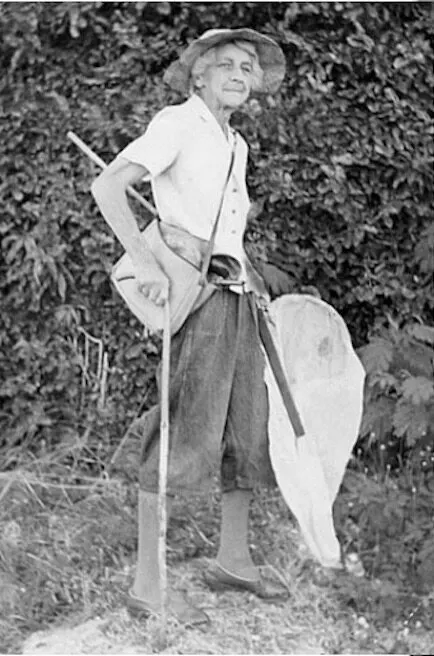
Imagine spending 30 years traveling alone through tropical islands, collecting insects and discovering species never before catalogued. This is what British explorer Evelyn Cheesman did between the 1920s and 1950s, venturing from the Galápagos Islands to Papua New Guinea.
While the male scientists of the time worked in teams and with large sponsorships, she traveled on a minimal budget, slept in makeshift tents, and faced everything from malaria to isolated tribes. Her discoveries were so important that a biogeographical line in the Pacific was named in her honor: the Cheesman Line.
Absurd trivia: On one of her trips, she was trapped in a giant spider web – and escaped using a nail clipper. The media loved the colorful story, but ignored her scientific contributions.
Wangari Maathai: the traveler who turned Kenya into a garden
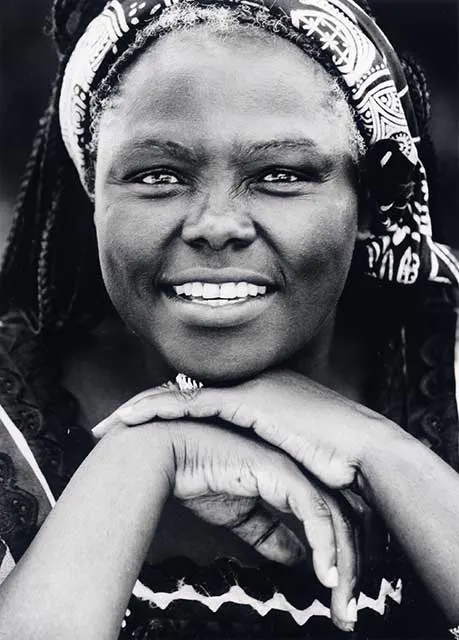
Some journeys are not about reaching a place, but about transforming it. In the 1980s, Kenyan Wangari Maathai began a journey that would change her country forever: planting 30 million trees.
While the government was destroying forests to build cities, she traveled from village to village, teaching women how to restore the soil and create sustainable forests. She was called “subversive,” threatened with death and even cursed by politicians – but she did not stop. In 2004, she won the Nobel Peace Prize and proved that traveling with purpose can change the world.
Alison Hargreaves: the mother who climbed Everest (and the world criticized her for it)
In 1995, British climber Alison Hargreaves became the first woman to climb Everest without supplemental oxygen – and alone. A historic feat, right? Wrong. The press did not celebrate her achievement, but attacked her for “abandoning” her children.
Exactly three months after Everest, in the late afternoon of August 13, Hargreaves reached the summit of K2 in Pakistan, the world’s second-highest peak. A few hours later, she and five other people died when they were engulfed by a violent windstorm that climbed the mountain. She was 33 years old. At the time, newspapers wrote things like: “An obsessed mother” and “A woman’s dangerous ambition”.
A necessary reflection: While male explorers were seen as heroes, women were judged for “negligence”.
Ada Rogato: the “woman who flew”
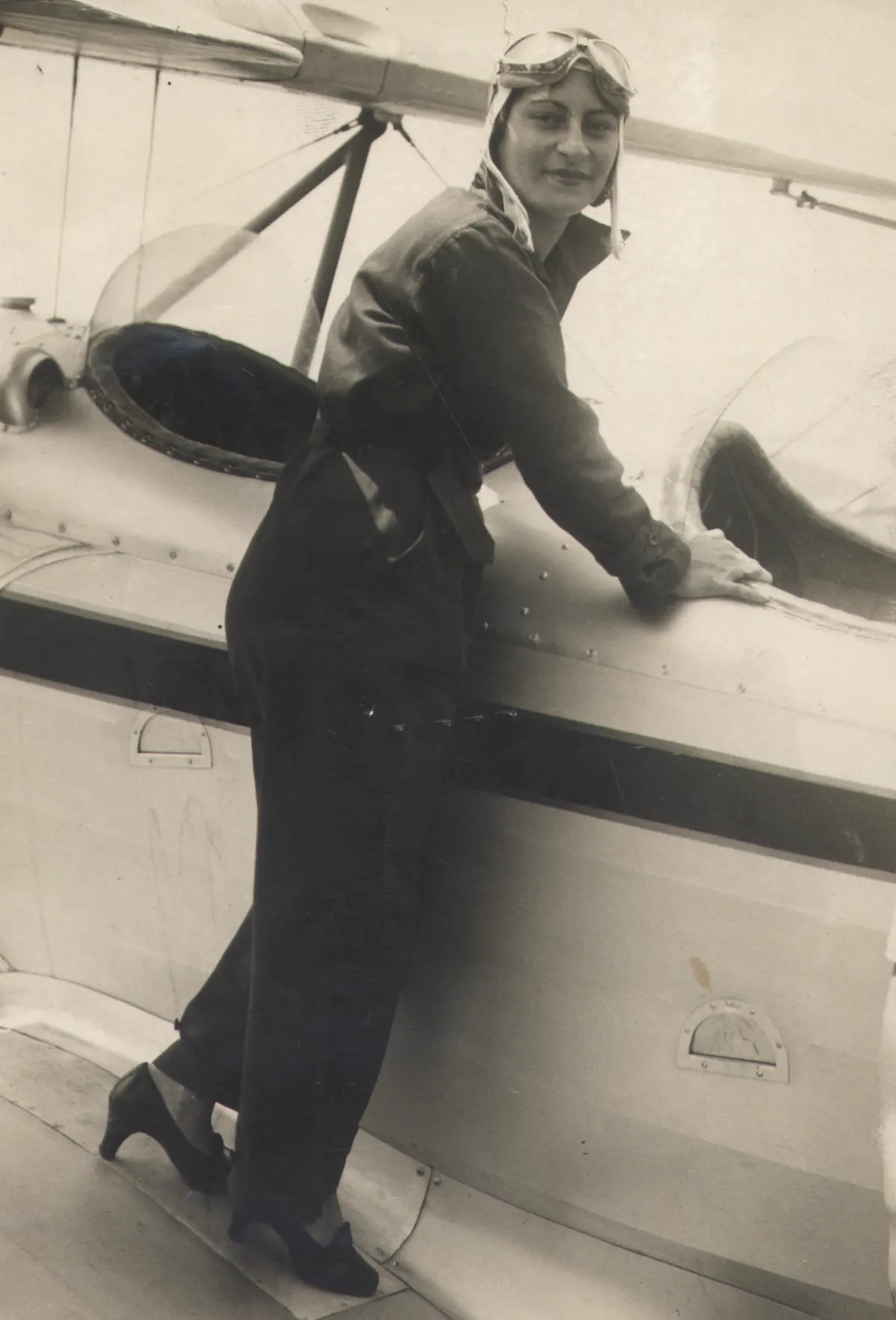
If you have never heard of Ada Rogato, you need to fix that now. In 1951, she became the first South American woman to cross the Andes by plane – alone. She later made historic flights over the Amazon and even a Brazil-Japan crossing in a single-engine aircraft.
While the men in aviation were treated as idols, Ada faced prejudice, lack of sponsorship and even sabotage. But she never gave up. Her story is proof that Brazil also had (and has) legendary women travelers – even if official history insists on forgetting them.
Why does this matter?
These women not only challenged maps, but broke stereotypes. They proved that:
- Traveling alone is not “too dangerous for a woman” – it is a choice.
- Nature has no gender – mountains, forests and deserts are there for everyone.
- History has been unfair – but we can rewrite it by celebrating their achievements.
So, the next time you plan a trip, remember: You are following in the footsteps of giants – even if most of them never appeared in a textbook.